The Playful Predators: Raising a Bengal Cat for Maximum Joy
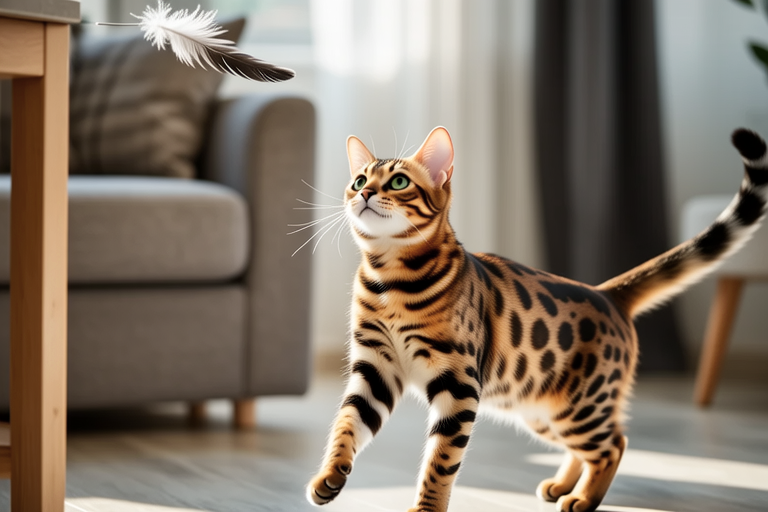
Bengal cats are a unique blend of wild beauty and domestic charm, making them one of the most sought-after breeds among cat enthusiasts. Their striking appearance, reminiscent of a small leopard, and their playful, energetic nature have earned them the nickname “playful predators.” This article will guide you through the fascinating world of Bengal cats, from their origins and characteristics to the care and training required to ensure maximum joy and companionship.
Origins and Characteristics
The Bengal cat breed originated in the United States during the 1960s, when breeders crossed domestic cats with Asian leopards. The goal was to create a cat that would retain the exotic look of its wild ancestors while maintaining the friendly and affectionate temperament of domestic cats. The result is a breed that is as visually stunning as it is delightful to own.
Bengal cats are known for their distinctive spotted or marbled coats, which can range from golden to charcoal in color. Their eyes, often a striking green or gold, add to their wild appearance. These cats are medium to large in size, with muscular bodies that reflect their high energy levels. Their agility and strength make them excellent climbers and jumpers, often reaching great heights within your home.
Creating the Right Environment
To keep your Bengal cat entertained and stimulated, it’s essential to provide them with an enriching environment. Bengal cats thrive in spaces where they can explore, play, and exercise. Consider installing cat trees with multiple levels and platforms, as well as sturdy scratching posts. These items not only serve as outlets for their natural behaviors but also provide opportunities for climbing and stretching.
Interactive toys such as feather wands, laser pointers, and puzzle feeders are invaluable for keeping Bengal cats engaged. Puzzle feeders challenge their minds and satisfy their hunting instincts by requiring them to work for their food. Regular play sessions are crucial; these can include fetch games, hide-and-seek, or even supervised outdoor play if you have a safe enclosed area.
Dietary Needs and Grooming
Bengal cats require a balanced diet rich in protein and nutrients to support their active lifestyle. High-quality commercial cat foods, specifically formulated for active breeds, are generally sufficient. However, it’s important to consult with your veterinarian to determine the best nutritional plan for your individual cat.
Grooming a Bengal cat is relatively easy due to their short, sleek coats. Weekly brushing helps remove loose hair and keeps their coat shiny. They are self-grooming animals, so regular brushing may be all that’s needed. However, during shedding seasons, more frequent brushing may be necessary to prevent hairballs.
Common health issues specific to Bengal cats include hip dysplasia and certain heart conditions. Regular veterinary check-ups and early detection can help manage these conditions effectively. Additionally, Bengal cats can be prone to obesity if their activity levels are not maintained, so it’s crucial to monitor their weight and adjust their diet accordingly.
Training and Socialization
Bengal cats are highly intelligent and respond well to positive reinforcement training methods. Early socialization is key to ensuring they grow up to be well-adjusted and friendly pets. Introduce them to various environments, people, and other animals to build their confidence and reduce anxiety.
Training can involve teaching basic commands like “sit” or “come,” but it also includes teaching them appropriate behaviors, such as using a scratching post instead of furniture. Clicker training is particularly effective for Bengals, as it provides immediate feedback and rewards for desired behaviors.
Given their active lifestyle, it’s important to provide ample opportunities for physical and mental stimulation. Interactive play sessions not only strengthen the bond between you and your cat but also help channel their energy into productive activities. Encouraging playtime also aids in preventing destructive behaviors that can arise from boredom or excess energy.
Personal Stories and Anecdotes
Many Bengal cat owners share stories of their feline companions’ mischievous antics and endearing personalities. One owner recounts how her Bengal cat, named Luna, has a habit of opening cabinets and drawers, much to her amusement and occasional frustration. Another owner describes how his Bengal, Max, enjoys playing fetch with small toys and even retrieves them from hard-to-reach places.
The joy of owning a Bengal cat comes from their constant companionship and the deep bond formed through shared experiences. While they can be challenging at times, their playful and affectionate nature makes them wonderful pets. Whether you’re an experienced cat owner or considering adding a Bengal to your family, their unique combination of wild looks and domestic charm promises endless entertainment and love.
In conclusion, raising a Bengal cat requires dedication and understanding of their unique needs. By providing the right environment, toys, and activities, and addressing their dietary and grooming requirements, you can ensure a happy and healthy life for your Bengal cat. Embrace their playful nature and enjoy the many moments of joy and companionship that come with owning this extraordinary breed.
