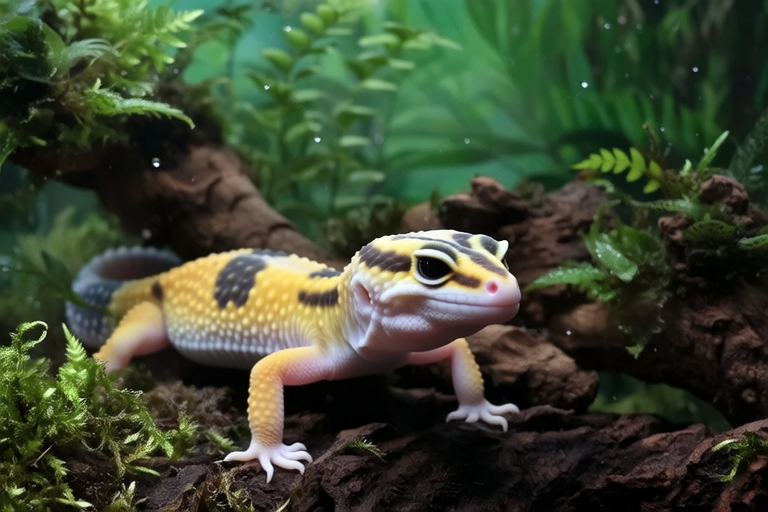
Step-by-Step Guide: Setting Up the Perfect Habitat for Your Colorful Pet Chameleon
Welcome to your comprehensive guide on setting up the perfect habitat for your colorful pet chameleon. Chameleons are fascinating creatures with unique care requirements that ensure their health and happiness. This guide will walk you through the steps of creating an ideal environment, from choosing the right enclosure to maintaining it regularly.
Choosing the Right Enclosure Size and Type
The first step in setting up your chameleon’s habitat is selecting the appropriate enclosure. Chameleons are arboreal, meaning they spend most of their time in trees, so a vertical setup is crucial. For baby chameleons (under six months), a 20-gallon tank with dimensions of approximately 24 inches high by 12 inches wide by 12 inches deep works well. As your chameleon grows, upgrade to a larger enclosure; adults require at least a 40-gallon tank, ideally 36 inches high by 18 inches wide by 18 inches deep.
Material-wise, glass or acrylic enclosures are preferred as they allow better visibility and ventilation. Avoid mesh enclosures unless you’re experienced, as they can pose escape risks and may not provide sufficient insulation against drafts.
Essential Lighting Requirements Including UVB Lights
Chameleons rely heavily on sunlight for vitamin D3 production, which aids calcium absorption. In captivity, this need is met through specialized UVB lighting. Choose a high-quality UVB bulb designed for reptiles, with a strength of around 10%. Position the light at the top of the enclosure, ensuring it covers about two-thirds of the tank. Replace the bulb every six months, even if it still appears functional, as UV output diminishes over time.
In addition to UVB lighting, full-spectrum lighting mimicking natural daylight is essential. This helps regulate the chameleon’s circadian rhythm and enhances its coloration. Use a fluorescent tube or LED fixture designed for reptile habitats. Ensure these lights operate for approximately 10-12 hours daily, simulating day and night cycles.
Temperature and Humidity Needs
Maintaining proper temperature gradients within the enclosure is vital for your chameleon’s health. The warm side of the tank should reach around 85-90°F during the day, while the cool side can be slightly cooler at 75-80°F. At night, temperatures can drop to 65-70°F. Use a reliable digital thermometer to monitor these conditions accurately.
Humidity levels between 40% and 60% are ideal for most chameleons. You can achieve this by misting the enclosure several times a day or using automated misters and drip systems. A hygrometer will help you measure humidity levels effectively. Be cautious not to create overly wet conditions, as this can lead to respiratory issues.
Appropriate Substrate Options
Selecting the right substrate is crucial for your chameleon’s health. Many substrates available in pet stores can pose ingestion risks or harbor harmful bacteria. Instead, opt for no-substrate setups or use paper towels or artificial grass specifically designed for reptiles. These options prevent ingestion hazards and make cleaning easier.
Necessary Plants and Decorations for Climbing and Hiding
Your chameleon’s habitat should include plenty of live or artificial plants to mimic its natural environment. Live plants like Ficus benjamina, Schefflera arboricola, and Philodendron selloum provide excellent climbing opportunities and hiding spots. Artificial plants made from non-toxic materials also work well, offering similar benefits without the maintenance.
Ensure there are multiple branches and vines of varying diameters for climbing. Provide horizontal perches for basking and vertical ones for climbing. Arrange these elements strategically to create a three-dimensional space that encourages exploration.
Diet Specifics
A varied diet is key to your chameleon’s health. Offer a mix of insects such as crickets, dubia roaches, and mealworms. Dust these insects with a calcium supplement daily and a multivitamin once or twice weekly. Feed juveniles daily and adults every other day, adjusting quantities based on your chameleon’s appetite.
Provide fresh water daily in a shallow dish or via misting. Chameleons often drink droplets of water from leaves, so ensure there’s enough moisture in the air. Monitor their hydration by checking their skin condition and behavior.
Regular Maintenance Tips
Maintaining your chameleon’s habitat involves regular cleaning and monitoring. Spot clean daily, removing any uneaten food or waste. Perform a thorough cleaning once a week, replacing all substrate and washing all decorations with a reptile-safe cleaner.
Check the condition of the plants periodically, replacing any that show signs of disease or damage. Inspect the lighting equipment for wear and tear, replacing bulbs as needed. Regularly check for signs of illness in your chameleon, such as lethargy, loss of appetite, or changes in coloration. Early detection and intervention are crucial for effective treatment.
By following these guidelines, you’ll create a safe, comfortable, and stimulating environment for your chameleon. Remember, each chameleon is unique, so pay attention to your pet’s specific needs and preferences. With proper care, your chameleon will thrive in its new home.
