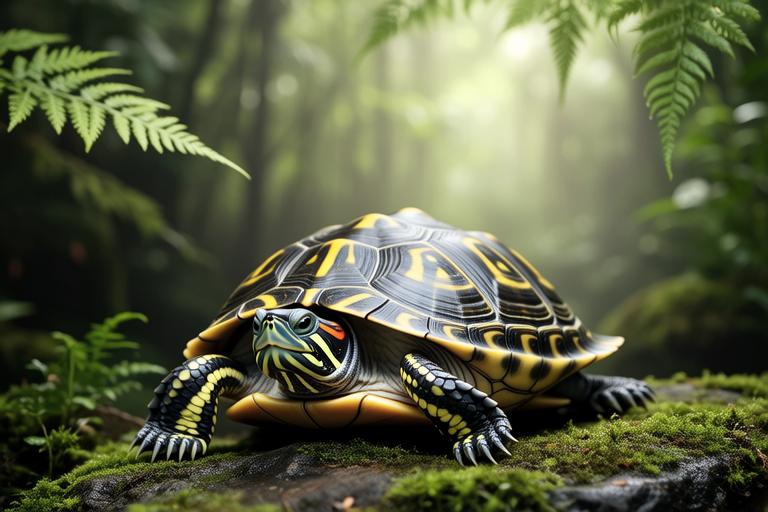
Adorable Three-Striped Box Turtle: Perfect Pet for Nature Lovers
The three-striped box turtle (Trachemys scripta tricarinata) is a captivating reptile that has long been cherished by nature enthusiasts and pet lovers alike. Known for its distinctive three yellow stripes on each side of its head, this turtle is not only visually appealing but also an excellent choice for those who appreciate the beauty of the natural world. In this comprehensive guide, we will explore the unique characteristics of the three-striped box turtle, including its habitat, diet, care requirements, and why it makes an ideal pet for nature lovers.
Charming Appearance
The three-striped box turtle’s most striking feature is, of course, its head markings. The three yellow stripes that run parallel to each other on either side of the head give this turtle its name and make it instantly recognizable. These markings contrast beautifully with the dark, often black or brown, shell that provides protection from predators. The shell itself is domed and hinged at the bottom, allowing the turtle to close itself up completely when threatened. This adaptation not only protects them from predators but also adds to their charm, making them a delightful addition to any home.
Habitat
In the wild, the three-striped box turtle can be found in a variety of habitats, ranging from forests to grasslands and even wetlands. They prefer areas with plenty of cover, such as fallen leaves, rocks, and logs, which provide both shelter and camouflage. These turtles are semi-aquatic, meaning they spend part of their time in water and part on land. Therefore, creating an environment that mimics these conditions is essential when keeping one as a pet.
For indoor habitats, a large tank or enclosure is necessary, providing enough space for swimming and basking. A combination of shallow water and a dry area with substrate like mulch or soil should be provided. Outdoor enclosures can be more elaborate, incorporating features such as ponds, rocks, and plants to replicate their natural environment. It is important to ensure that the enclosure is secure to prevent escape and protect the turtle from potential threats.
Diet
The three-striped box turtle is omnivorous, meaning it eats both plant matter and animal protein. Their diet in the wild consists of insects, worms, snails, small fish, and various fruits and vegetables. As pets, they require a balanced diet that includes both meat and vegetation to ensure optimal health. Commercial turtle pellets can form the basis of their diet, supplemented with fresh vegetables such as leafy greens, carrots, and squash, as well as occasional treats like mealworms or earthworms.
It is crucial to avoid feeding them inappropriate foods, such as processed human food or toxic plants, which could harm their digestive system. Fresh water should always be available, and it is recommended to change it regularly to maintain hygiene and prevent bacterial growth.
Care Requirements
Maintaining the health and well-being of a three-striped box turtle requires attention to several key aspects of care:
Temperature and Humidity
These turtles are ectothermic, meaning they rely on external sources to regulate their body temperature. Providing a temperature gradient within their enclosure allows them to thermoregulate effectively. One end of the enclosure should be heated to around 85-90°F (29-32°C), while the cooler end should remain at approximately 75°F (24°C). This can be achieved using heat lamps or under-tank heaters.
Humidity levels should also be monitored, ideally maintaining between 60-80%. Proper humidity helps prevent dehydration and respiratory issues. Mist the enclosure regularly or use a humidifier to achieve the desired level.
Basking Area
A basking area is essential for the three-striped box turtle, providing a warm spot where they can dry off and bask under UVB lighting. This light is crucial for vitamin D synthesis, which aids in calcium absorption and overall bone health. Ensure the basking area is safe and comfortable, with a flat surface and appropriate lighting.
Handling and Socialization
While three-striped box turtles are generally docile and can be handled, it is important to approach them gently and avoid excessive handling. Frequent handling can cause stress and potentially lead to health problems. When handling, support the turtle’s body and avoid lifting them by their limbs or tail.
Socialization can be beneficial for some turtles, especially if they are kept in pairs or groups. However, it is essential to monitor interactions to ensure they are peaceful and that no aggression occurs.
Why They Make Ideal Pets for Nature Enthusiasts
The three-striped box turtle is an excellent choice for nature lovers due to several reasons:
Educational Value
Owning a three-striped box turtle provides an opportunity to learn about the natural world and the importance of conservation. These turtles play a vital role in their ecosystems, helping to control insect populations and contributing to nutrient cycling through their grazing habits. By caring for one of these turtles, you can gain a deeper appreciation for the delicate balance of nature.
Low Maintenance
Compared to many other exotic pets, the three-striped box turtle is relatively low-maintenance. Once their enclosure is set up correctly, their basic needs are straightforward, requiring regular feeding, cleaning, and monitoring of environmental conditions. This makes them a suitable pet for busy individuals or those new to reptile ownership.
Indoor and Outdoor Living
Three-striped box turtles can thrive both indoors and outdoors, depending on the climate and the owner’s preferences. Indoor setups provide year-round comfort, while outdoor enclosures allow for more natural behaviors and exposure to sunlight. The flexibility in housing options makes them adaptable to various living situations.
Conclusion
The three-striped box turtle is a charming and fascinating reptile that offers much joy and educational value to its owners. With their unique appearance, easy care requirements, and suitability for both indoor and outdoor environments, they are an ideal pet for nature enthusiasts. By providing a well-designed habitat, a balanced diet, and proper care, you can ensure the health and happiness of your three-striped box turtle for years to come. Consider adopting one of these delightful creatures and embark on an enriching journey of learning and companionship.
