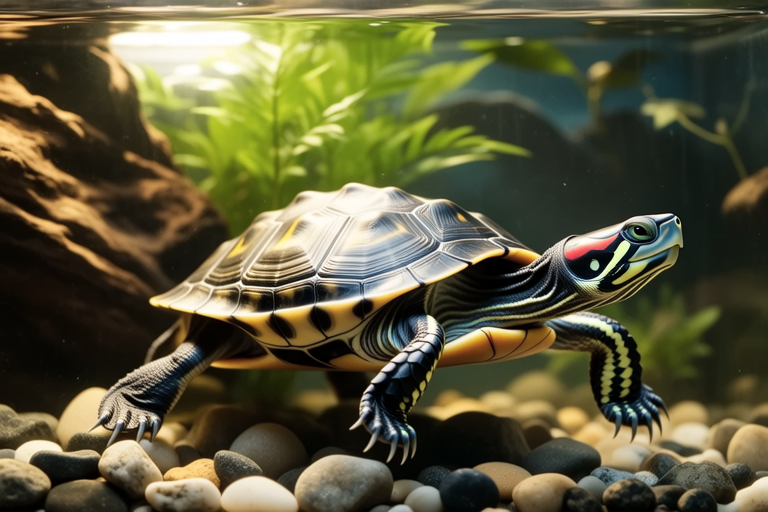
Transforming Home Aquariums into Ideal Habitats for Red-Eared Sliders
Welcome to the fascinating world of red-eared slider turtle ownership! These charismatic reptiles are popular pets due to their unique appearance and relatively low maintenance. However, providing them with a suitable habitat requires careful planning and attention to detail. This comprehensive guide will walk you through creating an ideal environment for your red-eared sliders, ensuring they thrive physically and psychologically.
Tank Size Requirements
The first step in setting up a proper habitat for your red-eared sliders is choosing an appropriately sized tank. As these turtles grow quickly, it’s crucial to provide ample space from the start. A general rule of thumb is to have at least 10 gallons of water per inch of shell length for young turtles. For adult sliders, aim for a minimum of 40 gallons per turtle. Larger tanks offer more swimming room and better water circulation, which helps maintain water quality.
Filtration Systems
Maintaining clean water is vital for your turtles’ health. Invest in a high-quality filter designed specifically for large aquatic animals or tropical fish. The filter should handle at least four times the volume of your tank per hour. Considerations like biological, mechanical, and chemical filtration ensure optimal water conditions. Biological filters promote beneficial bacteria growth, breaking down harmful ammonia and nitrite. Mechanical filtration traps debris, while chemical filtration removes toxins and odors.
Water Quality Maintenance
Regular water changes are necessary to keep the tank fresh and free from pollutants. Aim for weekly partial water changes, replacing about 25% of the total volume. During water changes, gently vacuum the substrate to remove any uneaten food or waste. Test the water regularly for pH levels, ammonia, nitrite, and nitrate concentrations. Maintaining a stable pH between 6.5 and 8.0 is ideal. Additionally, monitor temperature and adjust as needed to ensure it remains within the recommended range of 75 to 80 degrees Fahrenheit.
Basking Areas
Red-eared sliders require dry land to bask under UVB lighting. Provide a sturdy, easily accessible platform made from driftwood, cork bark, or custom-built ramps. Ensure the basking area is large enough for all turtles to sunbathe simultaneously without overcrowding. Position the basking spot away from direct water flow to prevent splashing. Incorporating a shallow ramp allows easy access to the water, promoting natural behaviors.
Lighting Needs
Proper lighting is crucial for maintaining your turtles’ overall health. Install full-spectrum UVB lights above the basking area to facilitate calcium absorption and vitamin D synthesis. These lights should be replaced every six months to ensure effectiveness. Supplemental heat lamps may also be necessary to maintain optimal basking temperatures, typically around 90 degrees Fahrenheit. Position lights so they don’t overheat the water, causing thermal stress.
Temperature Regulation
Consistent water and air temperatures are essential for red-eared sliders’ well-being. Use submersible heaters to maintain water temperatures between 75 and 80 degrees Fahrenheit. Place thermostats near the heater to prevent overheating. Keep the basking area warm but not too hot by adjusting the distance between the heat source and the surface. Regularly check temperatures with thermometers placed both in the water and on the basking platform.
Appropriate Substrates
Selecting the right substrate is important for preventing injury and maintaining water clarity. Avoid gravel or small pebbles, as they can trap waste and make cleaning difficult. Instead, opt for large, smooth river rocks or a bare-bottom setup. If you prefer a more natural look, consider using sand, but be cautious of ingestion risks. Clean the substrate thoroughly during water changes to prevent the buildup of harmful bacteria.
Dietary Considerations
A balanced diet is key to keeping your red-eared sliders healthy. Offer a variety of foods, including commercial turtle pellets, leafy greens (like romaine lettuce), and occasional treats such as earthworms or feeder fish. Ensure that protein sources are limited to avoid obesity. Feed your turtles once daily, offering as much food as they can consume in 10-15 minutes. Remove any uneaten food promptly to maintain water quality.
Creating a Balanced Ecosystem
Establishing a balanced ecosystem within your turtle’s habitat promotes their physical and psychological well-being. Introduce live plants to enhance water quality and provide hiding spots. Choose hardy species like java moss or anacharis, which can withstand turtle activity. Encourage natural behaviors by incorporating floating platforms or logs. Regularly observe your turtles’ interactions with their environment to identify potential issues early.
Selecting Compatible Tank Mates
Choosing compatible tank mates for your red-eared sliders requires careful consideration. While some species of fish may coexist peacefully, others might become stressed or injured. Avoid aggressive or territorial fish like Oscars or large cichlids. Opt for smaller, peaceful species like guppies, tetras, or rasboras. Always introduce new inhabitants gradually and monitor their interactions closely.
Avoiding Common Pitfalls in Turtle Care
To avoid common mistakes in turtle care, follow these guidelines:
- Underestimating Space Needs: Provide ample swimming room and basking areas.
- Ignoring Water Quality: Regularly test and maintain water parameters.
- Skipping UVB Lighting: Ensure adequate exposure for bone health.
- Overfeeding: Monitor portion sizes to prevent obesity.
- Neglecting Regular Maintenance: Perform routine checks and cleaning schedules.
By adhering to these recommendations, you’ll create a thriving environment for your red-eared sliders, fostering their longevity and happiness.
Conclusion
Transforming your home aquarium into an ideal habitat for red-eared sliders involves thoughtful planning and ongoing commitment. By addressing tank size, filtration, water quality, basking areas, lighting, temperature, substrates, and diet, you’ll establish a balanced ecosystem that supports your turtles’ physical and psychological well-being. Remember to select compatible tank mates and avoid common pitfalls in turtle care. With dedication and knowledge, you’ll enjoy many years of companionship with these captivating creatures.
