Clownfish Compatibility: Who Can Live With These Colorful Beauties?
Clownfish, with their vibrant colors and playful nature, are among the most popular choices for saltwater aquariums. However, choosing the right tank mates for these colorful beauties requires careful consideration. This article will guide you through the nuances of clownfish compatibility, providing insights into their behavior, habitat preferences, and specific species compatibility. We’ll also discuss factors like aggression levels, tank size requirements, and water parameters essential for maintaining a healthy environment.
The Behavior and Habitat Preferences of Clownfish
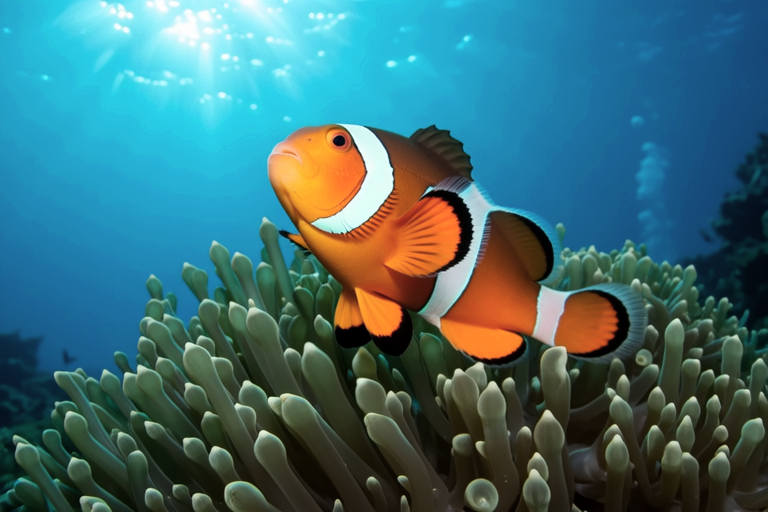
Clownfish are native to the Indo-Pacific region and live in symbiotic relationships with sea anemones. Their natural habitat is warm, shallow waters where they find shelter among the tentacles of anemones. In captivity, clownfish require similar conditions to thrive. They prefer stable water temperatures around 76-82°F (24-28°C) and a pH level between 8.1 and 8.4. Ammonia and nitrite levels should be kept at zero, while nitrate levels should be as low as possible.
These fish are generally peaceful and territorial. They establish a hierarchy within their group and defend their territory against intruders. In the wild, clownfish often live in small groups led by a dominant female. When choosing tank mates, it’s important to consider their social structure and territorial tendencies.
Factors Influencing Compatibility
Aggression Levels: Clownfish can become aggressive if they feel threatened or if their territory is invaded. This behavior is more pronounced in smaller tanks where space is limited. It’s crucial to choose tank mates that won’t provoke aggression and can coexist peacefully.
Tank Size Requirements: A larger tank provides more space for clownfish and their potential tank mates, reducing the likelihood of conflicts. As a general rule, a 30-gallon tank is suitable for one pair of clownfish, but a 55-gallon or larger tank is recommended for a community setup.
Water Parameters: Maintaining optimal water conditions is vital for the health and well-being of all aquarium inhabitants. Regular testing and water changes are necessary to ensure stable water parameters.
Suitable Tank Mates for Clownfish
Goby Fish: Gobies are excellent companions for clownfish due to their small size and peaceful demeanor. They share similar environmental preferences and can coexist harmoniously in the same tank.
Bubble Algae Snails: These snails help control bubble algae, which can be problematic in reef tanks. They are beneficial for maintaining a healthy environment and pose no threat to clownfish.
Dwarf Angelfish: Dwarf angelfish are generally peaceful and can make good tank mates for clownfish. However, it’s important to introduce them gradually to avoid territorial disputes.
Blennies: Blennies are small, active fish that can add color and movement to your tank. They are typically non-aggressive and can coexist with clownfish without causing any issues.
Small Cleaner Shrimp: Cleaner shrimp are beneficial for maintaining the health of your tank. They feed on parasites and dead tissue, contributing to a cleaner environment.
Incompatible Tank Mates for Clownfish
Larger Predatory Fish: Fish that are significantly larger than clownfish may view them as prey and pose a threat. Examples include lionfish, triggerfish, and large angelfish.
Aggressive Species: Aggressive fish such as damselfish, pufferfish, and certain wrasses can disrupt the peace in your tank. It’s best to avoid these species when setting up a community tank with clownfish.
Other Clownfish: Introducing multiple clownfish into a small tank can lead to increased aggression and stress. If you want to keep more than one clownfish, ensure there is ample space and hiding spots available.
The Symbiotic Relationship Between Clownfish and Sea Anemones
Clownfish and sea anemones have a unique symbiotic relationship. The clownfish provides protection for the anemone by driving away predators and excess algae, while the anemone offers shelter and food for the clownfish. In captivity, some clownfish species can thrive without an anemone, but others may struggle to adapt. It’s essential to research the specific needs of the clownfish species you’re interested in before making a purchase.
This relationship doesn’t necessarily affect their compatibility with other marine life, but it does influence their behavior and well-being. Providing alternative hiding spots and structures in your tank can help mimic the anemone’s protective role and reduce stress for your clownfish.
Conclusion
Selecting the right tank mates for your clownfish is crucial for creating a harmonious and thriving aquarium environment. By understanding their behavior, habitat preferences, and specific species compatibility, you can make informed decisions that benefit all inhabitants of your tank. Remember to prioritize the health and well-being of your fish by maintaining optimal water conditions and providing adequate space and hiding spots. With proper care and attention, your clownfish and their tank mates will bring joy and beauty to your home for years to come.
