A Journey Through Norway’s Most Adorable and Rare Pet Species
Welcome to a delightful exploration of Norway’s most adorable and rare pet species! Norway, with its breathtaking landscapes and diverse wildlife, offers a unique array of animals that have captured the hearts of many as beloved pets. From the enchanting Fjord Horse to the mysterious Arctic Fox, this article will introduce you to some of the country’s most charming creatures. We’ll delve into their unique characteristics, care requirements, and the special role they play in Norwegian homes and conservation efforts.
The Fjord Horse: A Gentle Giant
The Fjord Horse is one of the oldest and smallest horse breeds, originating from the fjords of Western Norway. This sturdy little horse stands at around 13.2 to 14.2 hands high and comes in a range of colors, but the dun coat with a lighter belly and mane is the most common. Fjord Horses are known for their gentle temperament and intelligence, making them excellent companions for families and beginners alike.
Care for a Fjord Horse involves regular grooming, feeding, and exercise. They thrive on a diet rich in hay, oats, and occasional treats like carrots or apples. Regular hoof care and veterinary check-ups are also essential. What makes them special as pets is their ability to bond closely with their owners, providing a sense of companionship and adventure. Many Norwegians enjoy taking their Fjord Horses on leisurely rides through the scenic countryside.
Conservation efforts for the Fjord Horse include breeding programs and protection against diseases. The Norwegian government has implemented strict regulations to ensure the purity of the breed and its preservation for future generations.
The Arctic Fox: A Mystery Wrapped in Fur
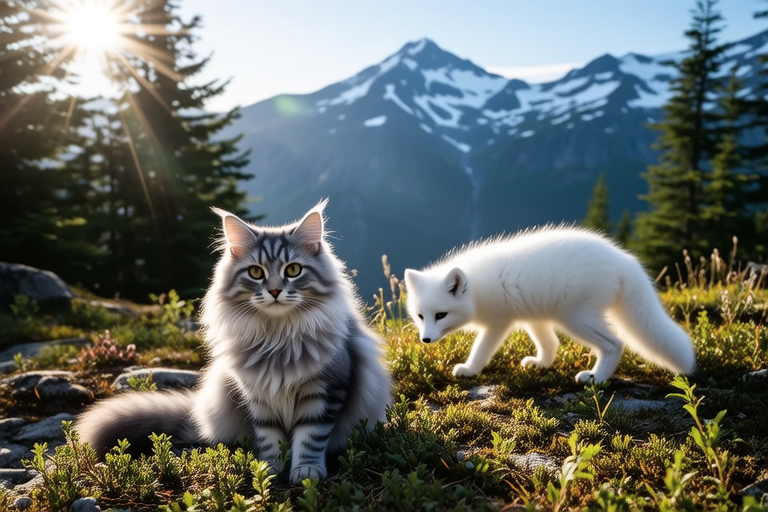
The Arctic Fox is a small, hardy fox found in the Arctic regions, including parts of Norway. With its thick white fur that turns brownish-gray in summer, the Arctic Fox is perfectly adapted to its harsh environment. These foxes are known for their playful nature and curious demeanor, which make them delightful pets when properly socialized.
Caring for an Arctic Fox requires a spacious enclosure with plenty of enrichment activities. Their diet consists of a mix of raw meat, fish, and specialized dry food designed for carnivores. Regular vet visits and a clean living space are crucial. What sets them apart is their striking appearance and endearing behavior. Many owners find joy in watching their playful antics and exploring their curious nature.
Conservation efforts focus on protecting their natural habitats from pollution and climate change. Organizations work tirelessly to preserve the Arctic Fox’s ecosystem, ensuring it remains a part of Norway’s wildlife heritage.
The Norwegian Forest Cat: A Majestic Companion
The Norwegian Forest Cat is a large, semi-longhaired cat breed native to Norway. With its dense, water-resistant coat and powerful build, this cat is well-suited for the country’s cold climate. Known for their independent yet affectionate nature, Norwegian Forest Cats make wonderful pets for those who appreciate a strong bond with their feline friends.
Maintenance includes regular brushing to keep their coat healthy and free from tangles. They require a balanced diet of wet and dry food, along with fresh water. Norwegian Forest Cats are generally healthy, but routine check-ups can help catch any potential issues early. Their loyalty and playful nature make them cherished members of many households.
Efforts to conserve the Norwegian Forest Cat involve breeding programs that maintain genetic diversity and health. Breeders work diligently to ensure the continuation of this majestic breed.
The Lapphen: A Unique Reindeer Experience
The Lapphen, also known as the Sami Reindeer, is a domesticated reindeer breed used by the indigenous Sami people for centuries. These graceful animals are integral to Sami culture and tradition. While not typical household pets, they can be kept as companions under certain conditions. Lapphens are known for their gentle nature and adaptability, thriving in the open wilderness of northern Norway.
Caring for a Lapphen involves providing ample grazing land and access to salt licks. Shelter is necessary during severe weather, and regular hoof trimming is required. Their diet consists mainly of lichen, grass, and other vegetation found in their natural habitat. Owners often find joy in observing their serene grazing habits and peaceful demeanor.
Conservation efforts focus on sustainable herding practices and protecting their natural environment. Efforts are made to prevent overgrazing and promote biodiversity in areas where Lapphens roam.
The European Mink: A Rare and Precious Pet
The European Mink is a small, semi-aquatic mammal native to parts of Europe, including Norway. This elusive creature is known for its sleek, dark fur and agile movements. While not commonly kept as pets, there are specific cases where they are cared for in captivity due to their endangered status. European Minks are fascinating animals, often seen swimming and hunting along riverbanks.
Caring for a European Mink requires a specialized enclosure with access to water and a varied diet of fish, insects, and small mammals. Regular health checks and environmental enrichment are vital. What makes them special is their unique hunting skills and the opportunity to contribute to their conservation.
Conservation efforts for the European Mink are extensive, involving habitat restoration and anti-poaching measures. Breeding programs aim to increase their numbers and reintroduce them into suitable wild habitats.
The Norwegian Elkhound: A Loyal and Fearless Friend
The Norwegian Elkhound is an ancient breed of dog that has been used for hunting and guarding for thousands of years. This medium-sized, gray dog is known for its resilience and loyalty. Norwegian Elkhounds are excellent companions, offering both protection and companionship to their owners.
Care involves regular exercise, a nutritious diet, and grooming to maintain their double coat. Their active nature means they need plenty of space to run and play. Norwegian Elkhounds are particularly good with children and other pets, making them ideal family dogs.
Conservation efforts for the Norwegian Elkhound focus on maintaining the breed’s health and vitality. Organizations promote responsible breeding and provide resources for potential owners.
The Conclusion: Embracing Norway’s Wildlife
Norway’s unique pet species offer a glimpse into the country’s rich biodiversity and cultural heritage. Each animal, from the majestic Fjord Horse to the elusive European Mink, brings something special to the lives of those who care for them. By understanding and supporting conservation efforts, we can ensure these remarkable creatures continue to thrive in both the wild and our homes.
Whether you’re a seasoned pet enthusiast or simply curious about Norway’s wildlife, these adorable and rare species offer endless fascination. Let us cherish and protect them for generations to come.
