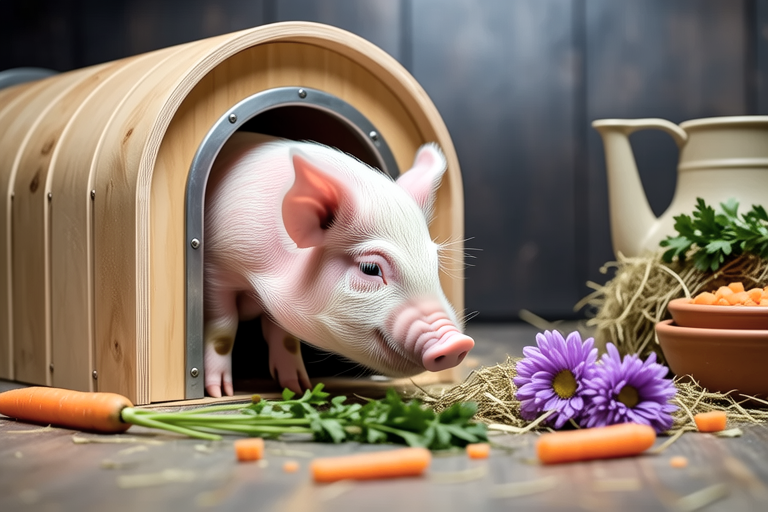
From Tiny Tunnels to Fresh Greens: Creating the Perfect Habitat for Your Guinea Pig
Welcome to the wonderful world of guinea pigs! These delightful creatures are not just pets; they’re companions that bring joy and laughter into your home. To ensure your guinea pig lives a happy, healthy life, it’s crucial to provide them with the perfect habitat. This guide will walk you through everything you need to know about creating a safe, comfortable, and enriching environment for your furry friend.
The Ideal Cage Size
First things first, let’s talk about cage size. A spacious living area is vital for your guinea pig’s well-being. The minimum recommended size for a single guinea pig is approximately 7.5 square feet (70 x 100 cm), but bigger is always better. If you have more than one guinea pig, you’ll need even more space. Remember, these little critters love to explore and move around, so don’t skimp on space.
Choosing the Right Bedding Material
Bedding plays a significant role in keeping your guinea pig cozy and clean. Opt for soft, absorbent materials like paper-based bedding or fleece. Avoid pine and cedar shavings, as they can irritate your guinea pig’s respiratory system. Change the bedding regularly to maintain hygiene and prevent odors.
The Importance of Hiding Spots and Tunnels
Hiding spots and tunnels are essential for your guinea pig’s mental and physical health. These spaces offer a sense of security and encourage natural behaviors like burrowing and exploring. You can find ready-made hideouts at pet stores, or you can create DIY options using cardboard boxes or fabric tunnels. Just make sure all materials are safe and free from any toxic substances.
Safe Toys for Mental Stimulation
To keep your guinea pig entertained and mentally stimulated, provide a variety of safe toys. Consider chew toys made from untreated wood, tunnels, and balls. Rotate these items periodically to keep things interesting and prevent boredom. Always supervise playtime and remove any damaged toys promptly.
Proper Ventilation and Temperature Control
Your guinea pig’s habitat should be well-ventilated to ensure fresh air circulation. Place the cage in a cool, quiet spot away from direct sunlight and drafts. Maintain a consistent temperature between 65°F and 75°F (18°C to 24°C). Avoid placing the cage near windows or heaters, as extreme temperatures can cause stress and health issues.
Feeding Areas and Dietary Needs
Guinea pigs have specific dietary requirements to thrive. Their diet should consist of high-quality hay, fresh vegetables, and a balanced pelleted food. Fresh greens are a must, providing essential vitamins and minerals. Offer a variety of leafy greens like romaine lettuce, parsley, and cilantro daily. Be cautious with certain vegetables like iceberg lettuce and broccoli, which can cause digestive upset if overfed. Always introduce new foods gradually and monitor your guinea pig’s response.
Cleaning Schedules and Hygiene
Maintaining cleanliness is key to preventing illness and ensuring your guinea pig’s comfort. Clean the cage thoroughly once a week, removing all soiled bedding and replacing it with fresh material. Wipe down the cage walls and accessories with a mild disinfectant solution. Regularly check for signs of illness, such as runny eyes, sneezing, or loss of appetite, and consult a veterinarian if necessary.
Transitioning to a New Habitat Setup
When introducing a new habitat, take things slowly to avoid overwhelming your guinea pig. Start by moving familiar items like their favorite toys and bedding to the new space. Gradually increase their time in the new environment, allowing them to explore and become comfortable. Patience is key during this transition period.
Enrichment Activities for Mental and Physical Health
Providing enrichment activities is crucial for your guinea pig’s overall well-being. In addition to toys and tunnels, consider offering puzzle feeders or creating obstacle courses with ramps and platforms. These activities not only stimulate their minds but also help maintain their physical fitness. Rotate activities frequently to keep things exciting and engaging.
Frequently Asked Questions
How often should I clean my guinea pig’s cage?
It’s best to clean the cage thoroughly once a week, removing all soiled bedding and replacing it with fresh material. Additionally, spot clean daily to maintain hygiene and prevent odors.
What kind of toys are safe for guinea pigs?
Safe toys include untreated wooden chews, tunnels, and balls. Avoid toys with small parts that could be swallowed, and always supervise playtime to ensure safety.
Can I place my guinea pig’s cage outdoors?
While guinea pigs enjoy outdoor time, it’s generally safer to keep them indoors. Outdoor environments can expose them to predators, extreme weather conditions, and potential toxins. If you choose to allow outdoor time, closely supervise and ensure the area is secure.
How do I introduce new foods to my guinea pig?
Introduce new foods gradually, offering small amounts and monitoring your guinea pig’s response. Watch for signs of digestive upset, such as diarrhea or lack of appetite, and discontinue the new food if issues arise.
Conclusion
Creating the perfect habitat for your guinea pig is a rewarding endeavor that ensures their happiness and health. By providing ample space, appropriate bedding, hiding spots, safe toys, proper ventilation, and a nutritious diet, you’re setting your furry friend up for a lifetime of joy and companionship. Remember, a well-cared-for guinea pig is a happy guinea pig, and that’s what every pet owner strives for. Enjoy the journey of raising these delightful creatures!
