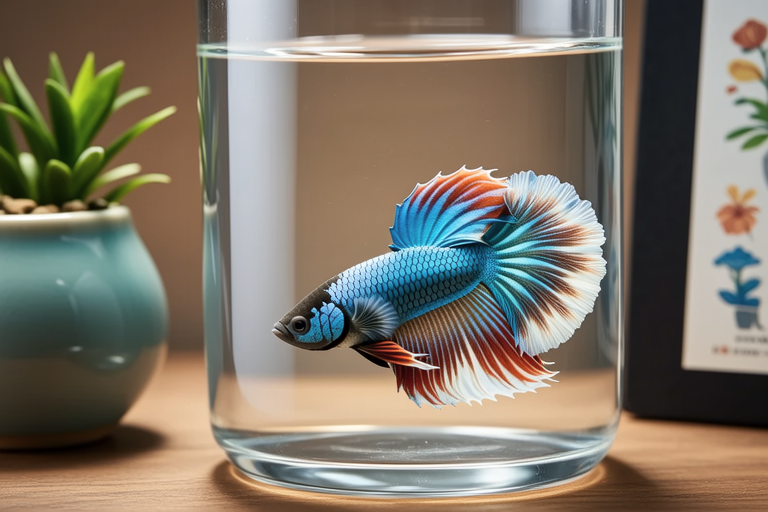
Colorful Companions: How to Care for a Vibrant Betta Fish in Style
Betta fish, also known as Siamese fighting fish, have captivated the hearts of aquarium enthusiasts worldwide with their vibrant colors and graceful fins. These small but strikingly beautiful creatures are popular pets that can bring life and joy to any home. With the right care, your betta fish can thrive and add a splash of color to your living space. This guide will walk you through everything you need to know about caring for these colorful companions, from setting up the perfect tank to ensuring their health and happiness.
The Ideal Tank Setup
Setting up the perfect tank is crucial for your betta fish’s well-being. While bettas are often sold in tiny containers, they require more space than what is typically provided. A minimum tank size of 2.5 gallons is recommended, although larger tanks are preferable for their overall health. Ensure the tank has a secure lid, as bettas are skilled jumpers.
Filtration is another important aspect of tank setup. Bettas prefer gentle water movement, so choose a filter that provides adequate filtration without creating strong currents. Decorations such as plants, caves, and driftwood not only enhance the aesthetic appeal of the tank but also provide hiding spots and enrichment for your betta. Live or silk plants are preferred over plastic ones to prevent fin damage.
Maintaining Optimal Water Quality
Water quality is paramount for your betta’s health. Regular water changes are essential to keep the tank clean and free from harmful toxins. Aim for partial water changes (about 25% of the tank volume) every week. Test the water regularly for ammonia, nitrite, and nitrate levels to ensure they remain within safe limits. Ammonia and nitrite should always read zero, while nitrates should be kept below 40 ppm.
Temperature and pH levels are equally important. Bettas thrive in water temperatures between 76°F and 82°F (24°C and 28°C). Use a reliable thermometer to monitor the temperature and adjust it as needed with a heater or cooler. The ideal pH range for bettas is 6.5 to 7.5, slightly acidic to neutral. Regular water testing helps maintain these parameters.
Proper Feeding Habits
Feeding your betta fish the right way ensures they stay healthy and active. Bettas are carnivorous by nature and should be fed a high-protein diet. High-quality betta pellets, frozen or freeze-dried bloodworms, brine shrimp, and daphnia are all excellent choices. Avoid overfeeding, as excess food can pollute the water. Feed your betta two to three times daily, offering only as much food as they can consume in a few minutes.
Varying the diet can help stimulate their appetite and provide a balanced nutrition. Introduce occasional treats like small pieces of cooked shrimp or vegetables. Always ensure the food is appropriate for their size and nutritional needs.
Common Health Issues and Preventive Care
Like any pet, bettas can fall ill if not cared for properly. Common health issues include fin rot, ich, and swim bladder disorders. Fin rot presents as frayed or discolored fins and can be treated with medication available at pet stores. Ich appears as white spots on the body and fins and requires medicated baths or treatments. Swim bladder disorders cause buoyancy problems and can result from overfeeding or poor water quality.
To prevent these issues, maintain optimal water conditions, feed a balanced diet, and avoid overcrowding. Quarantine new fish before introducing them to the main tank to prevent the spread of diseases. Regular observation allows you to catch signs of illness early, improving the chances of successful treatment.
Choosing the Right Tank Mates
Bettas are generally solitary and territorial, making it challenging to find suitable tank mates. However, some peaceful species can coexist with bettas if introduced carefully. Good options include snails, cherry shrimp, and certain types of small, non-aggressive fish like endlers or harlequin rasboras. Avoid aggressive or fin-nipping fish, as they may harm your betta.
Introducing new tank mates requires careful consideration. Acclimate the new fish slowly to the existing tank conditions and monitor their interactions closely. If conflicts arise, consider separating them or removing the incompatible fish.
Handling Stress Factors
Stress can negatively impact your betta’s health and behavior. Minimize stress by providing a stable environment with consistent lighting, temperature, and water quality. Avoid sudden changes in the tank setup or water parameters. Limit handling and ensure gentle water flow to prevent discomfort. Providing plenty of hiding places and enriching the tank with plants and decorations can also reduce stress.
Styling the Betta’s Environment Creatively
Enhancing the aesthetic appeal of your betta’s tank can make it a delightful addition to your home. Choose vibrant plants and decorations that complement the betta’s colors. Consider adding LED lights with programmable settings to create dynamic lighting effects. Incorporate driftwood or rocks to mimic natural habitats and provide additional hiding spots.
Experiment with different layouts and themes to create a unique and inviting environment. For example, a tropical rainforest theme with lush greenery and cascading waterfalls can transport your betta to a serene oasis. Alternatively, a minimalist design with simple, elegant decor can highlight the betta’s beauty. Tailor the environment to suit both the functional needs and the visual preferences of your betta.
In conclusion, caring for a vibrant betta fish involves understanding their specific needs and providing a nurturing environment. By setting up the ideal tank, maintaining optimal water conditions, feeding them appropriately, and addressing potential health issues, you can ensure your betta thrives. With thoughtful styling, you can transform your betta’s home into a captivating display that brings joy and inspiration to your daily life. Whether you’re a beginner or an experienced aquarist, these colorful companions will reward your efforts with vibrant displays and peaceful companionship.
