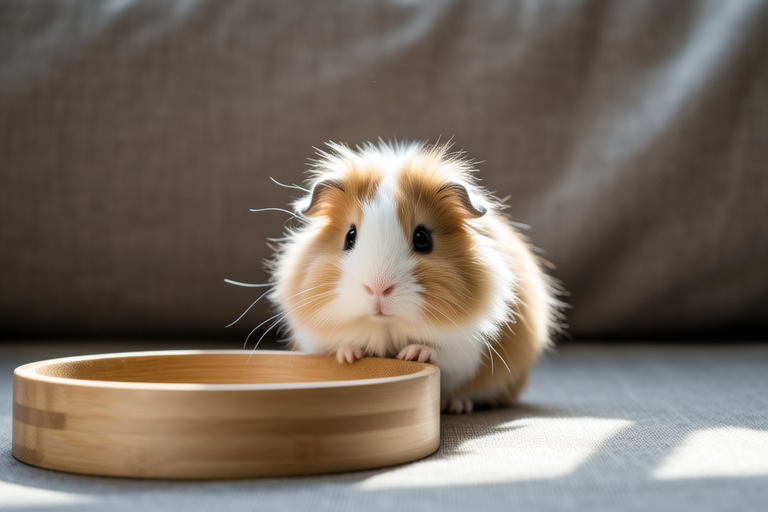
The Curious Case of Chinchillas: Unraveling Their Unique Needs
Chinchillas, native to the Andes Mountains of South America, have captured the hearts of many as charming and cuddly pets. However, these small rodents come with unique care requirements that are often misunderstood by potential and new owners. This article delves into the world of chinchillas, exploring their dietary needs, habitat setup, grooming practices, and social behavior. We’ll also address common misconceptions and offer insights into maintaining their health and happiness.
Dietary Needs: A Balanced Approach
One of the most critical aspects of chinchilla care is their diet. Chinchillas are herbivores, primarily feeding on grasses, leaves, and bark in their natural habitat. In captivity, they require a high-fiber diet consisting of timothy hay, pellets formulated specifically for chinchillas, and fresh water. It’s essential to avoid seeds, nuts, fruits, and vegetables, as these can lead to obesity and dental problems. Chinchillas have continuously growing teeth, and a proper diet helps wear them down naturally.
Timothy hay should be available at all times, providing both nutrition and the opportunity for gnawing, which keeps their teeth healthy. Pellets should be high-quality and free from artificial colors or flavors. Fresh water is crucial, and it’s best to use a water bottle with a sipper tube rather than a bowl, as chinchillas may contaminate food dishes with droppings.
Habitat Setup: Creating the Ideal Environment
A well-designed habitat is key to keeping chinchillas healthy and happy. They thrive in environments that mimic their natural rocky habitats. The cage should be large enough to allow ample space for movement and exercise. A minimum size for a single chinchilla is 3 feet wide, 2 feet deep, and 2 feet high. For multiple chinchillas, increase the dimensions accordingly.
Wire flooring is a common misconception; it can lead to foot injuries. Instead, opt for solid-bottom cages with soft bedding such as paper-based products. Avoid cedar and pine shavings, as they contain aromatic oils harmful to chinchillas. Provide platforms, ramps, and hiding spots to encourage exploration and mental stimulation. Temperature control is vital too; chinchillas prefer cooler temperatures between 64°F and 70°F (18°C to 21°C). Humidity should be low, ideally below 40%, as chinchillas are prone to heat stress and respiratory issues.
Grooming Practices: Maintaining Cleanliness and Health
Chinchillas have incredibly dense fur, making them susceptible to overheating and parasites. Regular dust baths are essential for grooming and cleaning their fur. Use commercial chinchilla dust made from volcanic ash, which absorbs oil and dirt without damaging the coat. Provide a dust bath container that allows the chinchilla to roll freely but is too small to sleep in. Limit dust baths to 15 minutes every few days to prevent skin irritation.
Bathing too frequently can strip natural oils from the fur, leading to dryness and flaking. Gently brush your chinchilla’s fur during handling to remove loose hair and prevent hairballs. Pay attention to any changes in coat condition, as this can indicate underlying health issues. Regular nail trims are necessary, as overgrown nails can cause discomfort and difficulty walking.
Social Behavior: Understanding Their Nature
Chinchillas are social animals in the wild, living in colonies of up to 100 individuals. In captivity, they can bond closely with their human caregivers but may exhibit territorial behavior towards other pets. Introducing a second chinchilla requires careful planning and gradual introduction to ensure compatibility. Male-female pairs are generally more successful than same-sex pairs, though exceptions exist.
Chinchillas communicate through body language, vocalizations, and scent marking. They are generally quiet, but you might hear them purring when content or squealing if stressed. Providing toys and enrichment activities can help alleviate boredom and promote positive behaviors. Chew toys are particularly beneficial, offering mental stimulation and helping maintain dental health.
Misconceptions and Realities
One common misconception is that chinchillas can live happily in small cages or enclosures. In reality, they need spacious environments to move around freely. Another myth is that chinchillas can be trained like other pets, such as dogs or cats. While they can learn simple commands, their natural wariness and independence make advanced training challenging.
There’s also a belief that chinchillas don’t require much attention due to their nocturnal nature. While they are more active at night, regular interaction and playtime are vital for their emotional well-being. Ensuring a consistent routine and providing opportunities for social interaction can enhance their quality of life.
Maintaining Health and Happiness
To keep chinchillas healthy, regular veterinary check-ups are necessary. Choose a veterinarian experienced with exotic pets, as chinchillas have specific health concerns. Common issues include dental problems, respiratory infections, and digestive disorders. Early detection and treatment can prevent serious complications.
Signs of illness include lethargy, loss of appetite, abnormal droppings, and changes in behavior. Monitor your chinchilla daily for any unusual symptoms. A balanced diet, appropriate environment, and regular grooming contribute significantly to overall health. Additionally, providing a stimulating and enriching environment can help prevent behavioral problems.
Conclusion
The curious case of chinchillas reveals a fascinating array of unique needs that set them apart from other small pets. By understanding their dietary requirements, habitat preferences, grooming routines, and social behaviors, pet owners can provide the best possible care for these delightful creatures. Addressing common misconceptions and staying informed about their health needs ensures that chinchillas remain healthy, happy, and thriving companions.
