Dwarf Delight: Unveiling the Secrets Behind Dutch Dwarf Rabbit Care
Welcome to the enchanting world of Dutch Dwarf rabbits! These diminutive creatures are a delightful addition to any home, offering a unique blend of charm, intelligence, and companionship. Known for their distinct appearance and friendly nature, Dutch Dwarfs have captured the hearts of many rabbit enthusiasts. This guide will delve into the fascinating history, characteristics, and essential care tips for these captivating critters.
The Origins and Appearance of Dutch Dwarf Rabbits
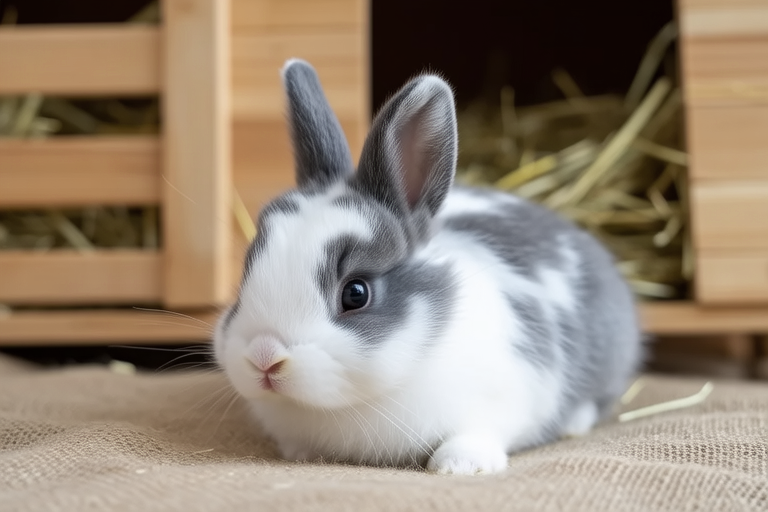
The Dutch Dwarf rabbit breed originated in the Netherlands during the early 20th century. Initially bred for meat, they were later developed for their appealing appearance and gentle disposition. Dutch Dwarfs are characterized by their compact size, typically weighing between 2 to 3 pounds, making them one of the smallest rabbit breeds. Their most striking feature is their dual-color coat pattern, featuring a white base with colored markings on the head, back, and tail. Common colors include black, blue, chocolate, and red, adding to their visual appeal.
Temperament and Social Needs
Dutch Dwarfs are known for their playful and affectionate nature, making them ideal pets for families and individuals alike. They are curious and interactive, often displaying a range of behaviors that can entertain and engage their owners. However, like all rabbits, they require proper socialization from an early age to ensure they remain friendly and trusting. Early handling and positive reinforcement training can help build a strong bond between you and your rabbit.
Dietary Requirements
Proper nutrition is crucial for maintaining the health and well-being of your Dutch Dwarf rabbit. A balanced diet should primarily consist of hay, which should be available at all times. Timothy hay is recommended for adult rabbits, while younger rabbits may benefit from alfalfa hay. Fresh vegetables, such as carrots, spinach, and broccoli, should be offered daily in moderate quantities. It’s important to introduce new foods gradually to prevent digestive upset. Additionally, a small amount of high-quality pellets can be provided to supplement their diet. Avoid feeding sugary treats or excessive amounts of fruits, as these can lead to obesity and dental problems.
Housing and Environment
Adequate housing is essential for the comfort and safety of your Dutch Dwarf rabbit. A spacious cage or hutch is necessary to provide enough room for movement and exercise. The cage should be large enough for the rabbit to stretch out fully and stand upright on its hind legs. A minimum size of 24 inches wide by 36 inches long by 24 inches tall is recommended. The flooring should be solid, as wire-bottomed cages can cause foot injuries. Line the bottom with absorbent bedding, such as paper-based products or recycled newspaper, to keep the environment clean and comfortable. Ensure the living area is placed in a quiet, draft-free location away from direct sunlight and extreme temperatures.
Exercise and Enrichment
Rabbits are naturally active animals that require regular exercise to maintain their physical and mental health. Providing a safe, enclosed space for supervised playtime outside the cage is highly beneficial. This could be a designated room or a large pen within your home. Introduce toys and tunnels to stimulate their curiosity and encourage exploration. Rotate toys periodically to prevent boredom and keep your rabbit engaged. Exercise not only helps prevent obesity but also reduces stress and promotes overall well-being.
Grooming and Maintenance
Regular grooming is essential to keep your Dutch Dwarf rabbit looking its best and to prevent potential health issues. Brush their fur weekly to remove loose hair and prevent matting, especially during shedding seasons. Pay special attention to areas prone to tangling, such as behind the ears and under the chin. Bathing is generally unnecessary unless absolutely required, as it can stress the rabbit and strip natural oils from their skin. Instead, focus on cleaning dirty areas with a damp cloth. Trim their nails every few weeks to prevent overgrowth, which can lead to discomfort or injury.
Health Issues and Preventive Measures
Like all animals, Dutch Dwarfs are susceptible to certain health conditions. Dental problems are common in rabbits due to improper diet or genetics. Regular veterinary check-ups can help identify and address issues before they become severe. Other potential health concerns include respiratory infections, gastrointestinal stasis, and urinary tract disorders. To prevent these issues, ensure a balanced diet, provide ample exercise, and maintain a clean living environment. Regular grooming also aids in early detection of skin irritations or parasites.
Socializing and Training
Socializing your Dutch Dwarf rabbit from an early age is key to developing a well-adjusted and confident pet. Handle them gently and frequently to accustom them to human interaction. Positive reinforcement techniques, such as offering treats and praise, can be used to encourage desired behaviors. Teaching basic commands, like coming when called or sitting on command, can enhance communication and strengthen the bond between you and your rabbit. Training sessions should be short and enjoyable, ensuring your rabbit remains interested and engaged.
The Joys and Responsibilities of Owning a Dutch Dwarf Rabbit
Owning a Dutch Dwarf rabbit can be a rewarding experience filled with joy and companionship. These charming creatures bring endless entertainment with their playful antics and endearing personalities. However, responsible pet ownership requires commitment and dedication. Providing proper care, attention, and enrichment ensures your rabbit leads a happy and healthy life. Embrace the responsibility of being a loving caretaker, and you will be rewarded with a loyal and delightful companion for years to come.
In conclusion, Dutch Dwarf rabbits are a delightful choice for those seeking a small, friendly, and engaging pet. By understanding their unique needs and providing attentive care, you can enjoy a fulfilling relationship with these adorable creatures. Remember, the love and care you give will be returned tenfold, creating lasting memories and a cherished bond.
