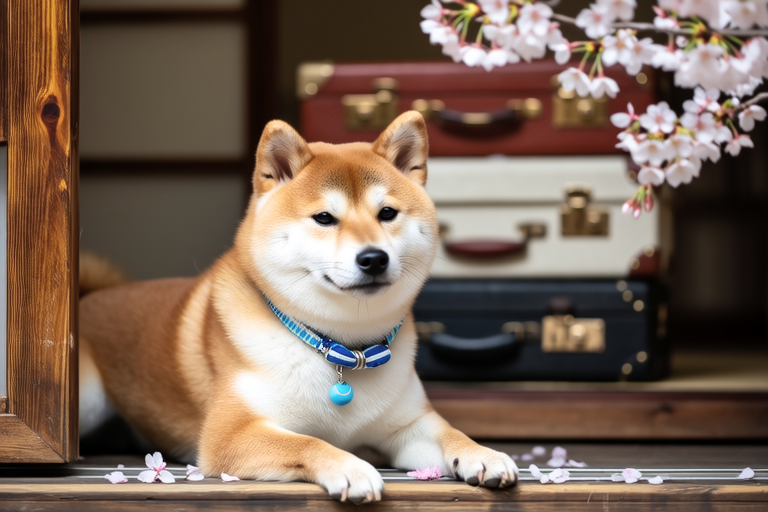
From Japan to Your Home: The Journey and Care Tips for a Happy Shiba Inu
The Shiba Inu, a breed native to Japan, has been cherished for centuries for its loyalty, independence, and striking appearance. Originating from the mountainous regions of Japan, these dogs were initially bred for hunting small game. Their name, ‘Shiba,’ means brushwood in Japanese, referring to their agility in navigating through dense forests. Known for their small size, fox-like appearance, and spirited personality, Shibas have become popular pets worldwide. This article will guide you through the journey of bringing a Shiba Inu from Japan to your home, along with essential care tips to ensure a happy and healthy life.
The Historical Role and Unique Characteristics of the Shiba Inu
The Shiba Inu’s history dates back thousands of years, with archaeological evidence suggesting they were among the earliest breeds in Japan. These dogs were highly valued for their hunting prowess and adaptability to harsh environments. Over time, they became symbols of resilience and loyalty, embodying the spirit of the Japanese people. Their unique characteristics include a double coat that repels water, a keen sense of smell, and a high level of intelligence.
Journey from Japan to Your Home
Bringing a Shiba Inu from Japan involves several important steps, including understanding legal import regulations, preparing for quarantine, and addressing cultural adaptation challenges.
Legal Import Regulations
Importing a Shiba Inu requires compliance with strict regulations set by both the exporting and importing countries. It’s crucial to check with local authorities and veterinarians to understand the requirements thoroughly. Generally, this includes obtaining necessary permits, ensuring the dog is up-to-date on vaccinations, and securing a health certificate from a licensed veterinarian. Additionally, some countries may have specific quarantine periods to prevent the spread of diseases.
Quarantine Processes
Upon arrival, your Shiba Inu will likely need to undergo quarantine. This process can vary in length and requirements depending on the country. During quarantine, the dog will be closely monitored for any signs of illness or disease. It’s important to prepare for this period by providing familiar items such as toys and bedding to help ease the transition. Regular communication with the quarantine facility can also provide peace of mind during this time.
Cultural Adaptation Challenges
One of the biggest challenges when bringing a Shiba Inu from Japan is adapting to a new culture. Shibas are known for being independent and somewhat aloof, which can make them resistant to changes in their environment. Patience and consistent positive reinforcement are key during this adjustment period. Providing a stable routine and creating a comfortable space can help ease the transition and foster a stronger bond between you and your new pet.
Detailed Care Tips
Proper care is essential to ensure your Shiba Inu thrives in its new home. Below are some detailed care tips covering nutrition, exercise, grooming, and health concerns.
Nutrition
A balanced diet is crucial for maintaining your Shiba Inu’s health. High-quality dog food that meets AAFCO standards is recommended. Look for products rich in protein and essential nutrients, avoiding those with fillers or artificial ingredients. Consult your veterinarian for personalized dietary recommendations based on your dog’s age, weight, and activity level. Additionally, fresh water should always be available.
Exercise Routines
Shibas are energetic dogs that require regular physical activity to stay healthy and happy. Daily walks, play sessions, and opportunities for mental stimulation are essential. Engaging in activities like fetch or agility training can help burn off excess energy while strengthening the bond between you and your pet. However, avoid overexertion, especially in extreme weather conditions.
Grooming Needs
Regular grooming is necessary to maintain your Shiba Inu’s coat and overall hygiene. Their double coat requires brushing at least once a week to prevent matting and reduce shedding. During seasonal changes, more frequent brushing may be needed. Bathing should be done sparingly, typically every few months, to preserve the natural oils in their skin. Additionally, regular nail trimming, ear cleaning, and dental care are important for maintaining good health.
Common Health Issues
While Shibas are generally healthy dogs, certain health issues are more prevalent in the breed. Hip dysplasia, patellar luxation, and progressive retinal atrophy are conditions to watch out for. Regular veterinary check-ups and early intervention can help manage these issues effectively. Maintaining a healthy lifestyle through proper nutrition and exercise can also contribute to longevity and well-being.
Training Methods
Training a Shiba Inu requires patience and creativity due to their independent nature. Positive reinforcement techniques, such as treats and praise, work best for encouraging desired behaviors. Consistency is key; establishing clear rules and expectations from the beginning helps prevent behavioral problems. Socialization is also vital, exposing your Shiba Inu to various environments, people, and other animals to promote confidence and good manners.
Fostering a Strong Bond
To ensure a happy and healthy life for your Shiba Inu, focus on building a strong bond through love, attention, and mutual respect. Spend quality time together each day, engaging in activities that both of you enjoy. Show affection through gentle petting, cuddling, and verbal affirmations. Establishing trust and understanding will create a lifelong partnership filled with joy and companionship.
In conclusion, bringing a Shiba Inu from Japan to your home is a rewarding experience that requires careful planning and commitment. By understanding their unique background, adhering to legal regulations, and providing proper care, you can ensure your new pet thrives in its new environment. With patience, dedication, and love, you’ll form a deep and lasting connection, making your Shiba Inu an integral part of your family.
