Top 7 Fascinating Facts About Parrot Fish That Will Amaze You
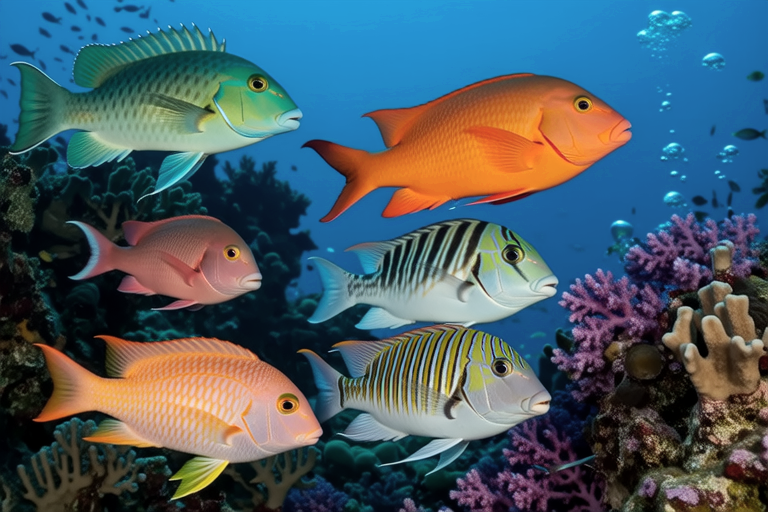
Parrotfish are some of the most colorful and fascinating creatures found in coral reefs around the world. These vibrant fish are not only a sight to behold but also play crucial roles in maintaining the health of marine ecosystems. Dive into the world of parrotfish with us as we explore seven mind-blowing facts that will leave you amazed.
Fact 1: The Colorful Armor of Protection
Parrotfish are known for their striking colors, ranging from bright yellows and blues to deep purples and reds. But did you know that these vivid hues serve more than just aesthetic purposes? Their colorful scales act as a form of camouflage, helping them blend into their surroundings and avoid predators. This natural defense mechanism is especially effective in the complex environments of coral reefs, where the diverse array of colors can help parrotfish disappear into the background. Additionally, some species of parrotfish change color as they age, providing another layer of protection by confusing potential threats.
Fact 2: Teeth That Never Stop Growing
One of the most remarkable features of parrotfish is their impressive set of teeth. Unlike humans, whose teeth eventually stop growing, parrotfish have continuously growing teeth that are fused into beak-like structures. This adaptation allows them to scrape algae and small organisms off of coral reefs, contributing significantly to reef health. As they feed, parrotfish can consume up to 80% of their body weight in coral and algae daily, making them indispensable to the ecosystem. Their powerful beaks also enable them to break down calcium carbonate, which they excrete as sand, playing a vital role in the formation of beaches.
Fact 3: The Secret Lives of Sleepy Parrotfish
Parrotfish have a peculiar sleeping habit that sets them apart from many other marine creatures. At night, these fish enter a state of deep sleep, during which they produce a thick mucus cocoon around themselves. This protective bubble serves multiple purposes: it masks the parrotfish’s scent, making it harder for predators to locate them, and it may even provide some protection against parasites. Some theories suggest that the mucus acts as a barrier against harmful bacteria, ensuring the fish remain healthy during their vulnerable sleep period. Watching a parrotfish create its cocoon is like witnessing a surreal underwater ballet, with the fish meticulously spinning itself into a blanket of safety.
Fact 4: Masters of Transformation
Parrotfish are renowned for their ability to change sex, a process known as sequential hermaphroditism. In some species, all individuals start life as females, and as they grow larger, they transition into males. Other species begin as males and later become females. This unique reproductive strategy ensures genetic diversity within populations and helps maintain balanced sex ratios. The transformation often involves dramatic changes in appearance, including shifts in coloration and body shape, making it easier for researchers to identify the sex of individual fish. Witnessing this metamorphosis in action is nothing short of magical, showcasing nature’s incredible adaptability.
Fact 5: Guardians of Coral Reefs
Parrotfish play a pivotal role in maintaining the health of coral reefs, acting as nature’s gardeners. By feeding on algae and other microorganisms, they prevent overgrowth that could smother coral polyps. This activity not only keeps the reef clean but also promotes the growth of new corals, fostering biodiversity within the ecosystem. Parrotfish are particularly important in areas affected by climate change, where rising sea temperatures and ocean acidification threaten the survival of coral reefs. Their diligent work helps ensure that these fragile ecosystems remain vibrant and resilient in the face of environmental challenges.
Fact 6: The Sand-Making Machines
Believe it or not, parrotfish are one of the main contributors to beach formation. As they graze on coral reefs, they grind down calcium carbonate, a key component of coral skeletons, into tiny particles. These particles are then expelled through the fish’s digestive system, forming what we know as sand. A single large parrotfish can produce over 900 pounds of sand annually, highlighting the significant impact these fish have on coastal environments. Without parrotfish, many of our favorite tropical beaches might look very different, or even cease to exist.
Fact 7: Social Butterflies of the Sea
Parrotfish are highly social creatures, often living in large schools that can number in the hundreds. These schools provide protection against predators and allow parrotfish to engage in cooperative feeding behaviors. During feeding, individuals take turns scraping algae from coral surfaces while others guard the group, ensuring everyone stays safe. This teamwork extends beyond feeding; parrotfish also exhibit complex mating rituals that involve synchronized swimming and vibrant displays of color. Observing these interactions is a mesmerizing experience, offering a glimpse into the rich social lives of these underwater marvels.
In conclusion, parrotfish are not just beautiful additions to our oceans but also vital players in the maintenance of marine ecosystems. From their dazzling colors to their unique biological processes, there is always something new and exciting to learn about these fascinating creatures. Whether you’re an avid scuba diver or simply someone who appreciates the wonders of nature, understanding the importance of parrotfish enriches our appreciation for the intricate balance of life beneath the waves.
