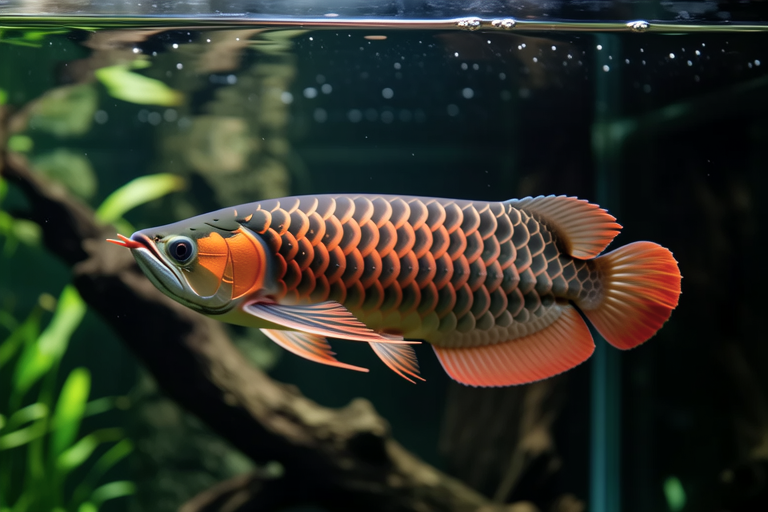
The Exotic Arowana Fish: A Majestic Aquatic Wonder
The arowana, often referred to as “dragonfish” due to its striking resemblance to mythical Chinese dragons, is one of the most captivating and sought-after species in the aquarium trade. Known for their sleek bodies, shimmering scales, and powerful swimming abilities, these fish have captured the hearts of many aquarists around the world. This article delves into the unique characteristics, habitat, care requirements, and cultural significance of the arowana, providing valuable insights for both novice and experienced aquarium enthusiasts.
Unique Characteristics and Appearance
Arowanas are known for their distinctive appearance, which sets them apart from other freshwater fish. They possess elongated bodies, typically measuring between 60 to 90 centimeters (24 to 35 inches) in length, though some species can grow even larger. Their scales are large, thick, and metallic, reflecting a dazzling array of colors including green, gold, red, and silver. These scales are not only beautiful but also serve as a protective armor against predators. The dorsal fin, located on the back of the fish, is long and slender, while the pectoral fins are broad and paddle-shaped, allowing the arowana to maneuver gracefully through the water. Their mouths are wide and toothy, capable of capturing prey with lightning speed.
Habitat and Natural Behavior
Native to the tropical regions of Asia, South America, and Africa, arowanas inhabit slow-moving rivers, swamps, and floodplains. In the wild, they are apex predators, feeding primarily on insects, small fish, crustaceans, and occasionally even birds or bats that venture too close to the water’s surface. Arowanas are known for their impressive jumping ability, leaping out of the water to catch aerial prey. This behavior has earned them the nickname “water tigers.” Their natural habitat is characterized by dense vegetation and clear waters, which provide both cover and hunting grounds. Arowanas are territorial and prefer to live alone or in pairs, making them less suitable for community tanks.
Care Requirements
Owning an arowana requires careful consideration of their specific needs. First and foremost, arowanas need a spacious tank, at least 250 liters (66 gallons) for a single adult, with ample swimming space and hiding spots. The water temperature should be maintained between 24°C and 28°C (75°F to 82°F), and the pH level should be slightly acidic to neutral. Filtration systems must be robust to handle the waste produced by these large fish, and regular water changes are essential to maintain water quality. Arowanas are sensitive to poor water conditions, so it’s crucial to monitor parameters such as ammonia, nitrite, and nitrate levels regularly.
Feeding arowanas can be challenging, as they are carnivorous and require a diet rich in protein. Live foods like feeder fish, shrimp, and worms are ideal, but frozen or freeze-dried alternatives can be used as supplements. It’s important to introduce new foods gradually to avoid digestive issues. Arowanas can become finicky eaters if not provided with a varied diet, so it’s recommended to offer different types of food regularly. Additionally, arowanas are known to be intelligent and can recognize their owners, sometimes responding to feeding cues.
Cultural Significance
The arowana holds significant cultural importance in many parts of the world, particularly in Asian countries. In Chinese culture, the arowana is considered a symbol of good fortune and prosperity. Legend has it that keeping an arowana in the home can bring wealth and protect against evil spirits. This belief has led to the arowana being a popular choice for feng shui enthusiasts. In Malaysia, the arowana is the national fish, symbolizing strength and resilience. The fish’s popularity extends beyond its symbolic value, with many people keeping arowanas as pets for their beauty and grace.
Historical Context and Myths
The history of arowanas dates back centuries, with early records of their existence in ancient manuscripts and paintings. One of the most famous legends surrounding arowanas is the tale of the “Golden Dragon,” a mythical creature said to guard treasures at the bottom of deep lakes. In some cultures, arowanas are believed to be descendants of these mythical creatures, further adding to their mystique. Historically, arowanas were prized possessions of royalty and nobility, with only the wealthiest individuals able to afford them. Today, while arowanas are more accessible, they still command high prices due to their rarity and demand.
Challenges and Rewards of Ownership
Owning an arowana comes with both challenges and rewards. One of the primary challenges is the initial cost, as high-quality arowanas can be expensive. Additionally, setting up a suitable tank and maintaining optimal water conditions requires time, effort, and financial investment. However, the rewards of owning an arowana are numerous. Watching these magnificent creatures glide through the water, their scales catching the light, is a mesmerizing experience. Many aquarists report feeling a deep connection with their arowanas, appreciating their intelligence and individual personalities.
Responsible pet ownership is paramount when considering an arowana. Potential owners should research thoroughly and ensure they can provide the necessary care before committing to the purchase. Regular veterinary check-ups and proper nutrition are essential to maintaining the health and well-being of these fish. By understanding the unique needs of arowanas and committing to their care, owners can enjoy the rewarding experience of sharing their home with these extraordinary aquatic wonders.
Conclusion
The arowana is a truly remarkable fish, combining beauty, intelligence, and cultural significance. Its majestic appearance, coupled with its fascinating behaviors and historical context, makes it a favorite among aquarium enthusiasts. While owning an arowana presents challenges, the rewards of caring for such a unique and captivating creature make it a worthwhile endeavor for those who are prepared to meet its needs. By embracing responsible pet ownership and providing the best possible care, aquarists can ensure that their arowanas thrive, bringing joy and wonder to their homes for years to come.
