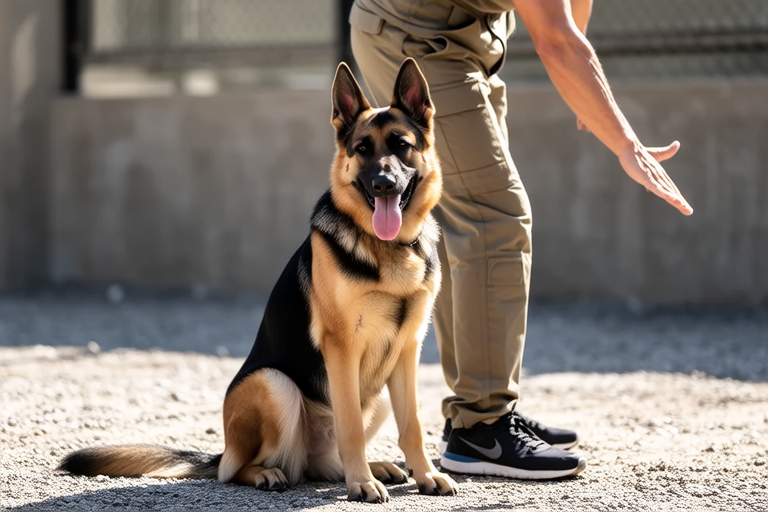
German Shepherd Training Hacks Every Owner Should Try
Welcome to a comprehensive guide on training your German Shepherd. This article will provide you with practical, easy-to-follow training tips tailored specifically for this intelligent and loyal breed. We’ll discuss the importance of early socialization, consistent reinforcement techniques, and addressing common behavioral issues. Additionally, we’ll offer insights into effective communication methods between owners and their dogs, emphasizing positive reinforcement strategies. Finally, we’ll provide advice on mental stimulation activities and physical exercises suitable for German Shepherds.
The Importance of Early Socialization
Early socialization is crucial for German Shepherds as it helps them become well-adjusted, confident, and friendly adults. Exposing your puppy to various people, animals, and environments from an early age can prevent fear-based aggression and anxiety. Start by introducing your puppy to different environments such as parks, pet stores, and homes. Introduce them to various people, including children, elderly individuals, and those wearing hats or sunglasses. Gradually increase the complexity of these experiences to ensure your dog remains comfortable and calm in diverse situations.
Consistent Reinforcement Techniques
Consistency is key when training your German Shepherd. Use the same commands and signals every time, ensuring that everyone in the household follows the same rules. Positive reinforcement is highly effective; reward good behavior with treats, praise, and affection. Avoid punishing your dog for mistakes; instead, redirect their attention to the desired behavior and reward them for following through. For example, if your dog jumps up, calmly turn away and wait for them to sit before offering praise and a treat. This teaches your dog that sitting earns attention and rewards.
Addressing Common Behavioral Issues
German Shepherds are known for their protective instincts, which can sometimes lead to aggressive behavior. Early intervention is essential in addressing such issues. If your dog shows signs of aggression, seek professional help from a certified dog trainer or behaviorist. Separation anxiety is another common issue among German Shepherds. To manage this, gradually increase the amount of time your dog spends alone. Provide them with a safe space, such as a crate, filled with toys and a favorite blanket. Desensitize your dog to your departure by practicing short absences, rewarding them for calm behavior.
Effective Communication Methods
Effective communication is vital for training your German Shepherd. Use clear, concise commands and maintain a calm, assertive tone. Body language plays a significant role in canine communication; be mindful of your posture and gestures. For instance, a firm but gentle touch can signal to your dog that it’s time to focus. Eye contact is also important; make sure your dog looks at you when giving commands. Consistent eye contact during training sessions helps build trust and strengthens the bond between you and your dog.
Positive Reinforcement Strategies
Positive reinforcement is a powerful tool in training German Shepherds. Reward good behavior with treats, praise, and affection immediately after the desired action. This reinforces the behavior and encourages your dog to repeat it. For example, if your dog sits on command, give them a treat and say “good boy/girl.” This positive feedback teaches your dog that sitting is the right thing to do. Gradually phase out treats as your dog learns the command, replacing them with verbal praise and affection.
Mental Stimulation Activities
Mental stimulation is just as important as physical exercise for German Shepherds. These intelligent dogs need challenging activities to keep their minds sharp and engaged. Puzzle toys and interactive games are excellent ways to stimulate your dog’s mind. Hide-and-seek games can be both mentally and physically stimulating. Hide treats around the house or yard and encourage your dog to find them. This activity engages their sense of smell and problem-solving skills. Training sessions themselves are also mentally stimulating; teaching your dog new tricks or commands keeps their brain active and engaged.
Physical Exercises Suitable for German Shepherds
German Shepherds are energetic and athletic dogs that require regular physical exercise to maintain their health and well-being. Daily walks are essential, providing both mental and physical stimulation. Aim for at least two 30-minute walks per day, varying the route to keep things interesting. Incorporate running, hiking, and swimming into your routine to further challenge your dog’s physical abilities. Agility training is another great way to engage your German Shepherd’s athleticism. Set up obstacles in your backyard or enroll in an agility class to teach your dog new skills while keeping them fit.
Building a Strong Bond with Your German Shepherd
A strong bond between you and your German Shepherd is essential for effective training and a happy, healthy relationship. Spend quality time together, engaging in activities that both of you enjoy. Whether it’s playing fetch, going for a walk, or simply cuddling on the couch, these moments strengthen your connection. Show your dog affection regularly, but remember that excessive pampering can lead to behavioral issues. Balance love and discipline to ensure your dog respects you as the pack leader.
Tips for New and Experienced Owners Alike
No matter your experience level, there are always tips and tricks that can improve your training techniques. For new owners, patience is key. German Shepherds are intelligent and eager to please, but they may take time to learn new commands. Be patient and consistent in your training approach. Experienced owners can benefit from experimenting with different training methods and incorporating new activities into their routine. Keep learning about canine behavior and training techniques to stay ahead of the curve.
Conclusion
Training your German Shepherd requires dedication, consistency, and a deep understanding of your dog’s needs. By focusing on early socialization, consistent reinforcement techniques, and addressing common behavioral issues, you can build a strong, trusting relationship with your furry companion. Effective communication, positive reinforcement, and a balanced approach to mental and physical stimulation will ensure your German Shepherd leads a happy, healthy life. Remember, every dog is unique, so tailor your training methods to suit your individual pup’s personality and temperament.
