Living with a Siamese Cat: Tips for New and Experienced Owners Alike
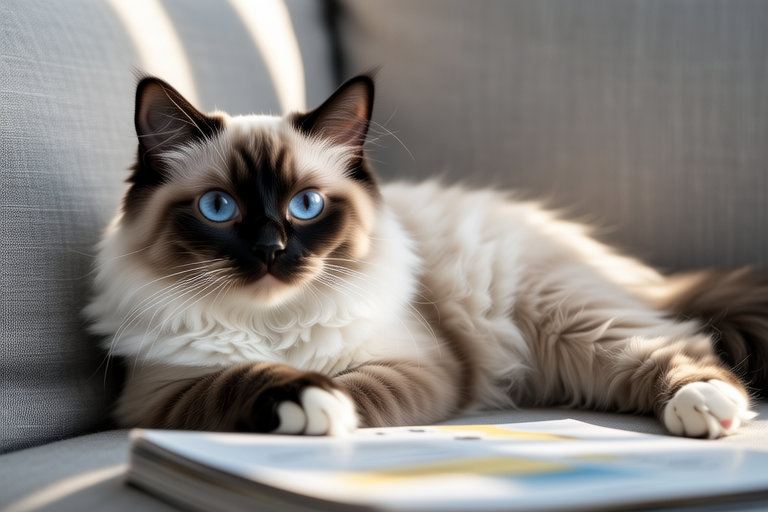
Welcome to the fascinating world of Siamese cats! Known for their striking blue almond-shaped eyes, sleek coats, and vocal personalities, Siamese cats have been captivating hearts for centuries. These intelligent and affectionate creatures are not only beautiful but also come with a set of unique characteristics that make them stand out among other breeds. If you’re considering bringing a Siamese into your home or already live with one, this guide will provide you with essential tips to ensure a happy, healthy relationship with your feline friend.
Introduction: The Unique Characteristics of Siamese Cats
Siamese cats are renowned for their striking appearance and distinctive personalities. Originating from Thailand (formerly Siam), these cats have a rich history dating back several centuries. Their coat is short and fine, often featuring a light base color with darker points on the ears, paws, tail, and face. This coloration is due to a genetic mutation that causes the enzyme responsible for producing pigment to be less active in warmer areas of the body. Siamese cats are highly social and thrive on human interaction. They are known for their vocal nature, often communicating through a variety of meows and chirps, making them excellent conversationalists.
Dietary Needs: Nourishing Your Siamese Cat
Feeding your Siamese cat a balanced diet is crucial for maintaining their health and vitality. High-quality commercial cat food that meets the nutritional standards set by organizations like the Association of American Feed Control Officials (AAFCO) is recommended. Look for options that are rich in protein and low in fillers, as Siamese cats are carnivores and require a meat-based diet. Wet food can be particularly beneficial, as it provides additional hydration, which is especially important given that Siamese cats may be more prone to urinary tract issues.
Siamese cats have a tendency to be picky eaters, so it’s important to introduce variety in their diet to prevent boredom. Rotate different flavors and brands of food to keep mealtime interesting. Additionally, always ensure fresh water is available at all times. Some Siamese cats may benefit from supplements, such as omega-3 fatty acids, to support skin and coat health. Consult with your veterinarian before adding any supplements to your cat’s diet.
Grooming: Keeping Your Siamese Cat Clean and Healthy
Despite their short coats, Siamese cats still require regular grooming to maintain their appearance and overall health. Weekly brushing helps to remove loose hair, preventing hairballs and minimizing shedding. Use a soft-bristled brush or a rubber grooming mitt to gently stroke your cat’s fur, paying special attention to areas where mats might form, such as behind the ears and around the neck.
Bathing is generally not necessary unless your cat gets particularly dirty or has a medical condition requiring it. However, if you do need to bathe your Siamese, use a gentle, pH-balanced shampoo designed for cats and avoid getting water in their ears or eyes. After bathing, thoroughly dry your cat to prevent chills and discomfort.
Nail care is another important aspect of grooming. Regular nail trimming helps prevent overgrown nails, which can cause discomfort and potentially lead to issues like nail bed infections. Use sharp, high-quality clippers and trim the tips of the nails, taking care not to cut into the quick, which contains blood vessels and nerve endings.
Exercise and Mental Stimulation: Keeping Your Siamese Active
Siamese cats are energetic and playful, often displaying a kitten-like exuberance even into adulthood. Providing ample opportunities for exercise and mental stimulation is vital to keeping your cat happy and healthy. Interactive toys, such as feather wands, laser pointers, and puzzle feeders, engage their natural hunting instincts and offer mental challenges. Rotate toys regularly to keep interest levels high and prevent boredom.
Playtime sessions should be scheduled daily, ideally in the morning and evening when Siamese cats are most active. Encourage climbing and jumping by providing tall cat trees or shelves. Consider investing in a scratching post, as this not only provides a place for your cat to sharpen their claws but also serves as a stress-relieving activity.
Common Health Issues and Preventive Care
Like all breeds, Siamese cats are prone to certain health issues. Regular veterinary check-ups are essential for early detection and management of potential problems. Some common health concerns include:
- Respiratory Problems: Siamese cats may be susceptible to respiratory issues, particularly if they have flattened faces. Ensure your cat receives proper vaccinations and avoid exposing them to environments with poor air quality.
- Urinary Tract Infections: Due to their anatomy, Siamese cats are at higher risk for urinary tract infections. Monitor your cat’s litter box habits and seek veterinary care if you notice changes in frequency or signs of discomfort.
- Eye Problems: Siamese cats can develop eye conditions, including glaucoma and progressive retinal atrophy. Routine eye examinations are recommended to catch any issues early.
To promote good health, maintain a consistent schedule for veterinary visits, vaccinations, and parasite control. Spaying or neutering your cat can also help prevent certain health issues and reduce the likelihood of unwanted behaviors.
Training and Handling Behavioral Challenges
Siamese cats are intelligent and can be trained to respond to commands and perform tricks. Positive reinforcement techniques, such as clicker training, are effective methods for teaching your cat desired behaviors. Reward your cat with treats and praise when they exhibit good behavior, and avoid punishment, as it can lead to fear and aggression.
Siamese cats are known for their vocal nature and may become overly vocal if they feel neglected or bored. To manage excessive meowing, ensure your cat has plenty of interactive playtime and consider providing a companion cat if they are left alone for extended periods. Training your cat to use a scratching post can also help redirect destructive behaviors.
The Rewards of Owning a Siamese Cat
Owning a Siamese cat is a rewarding experience filled with companionship, joy, and shared moments. These cats form strong bonds with their owners and often display a deep affection for their human families. Their intelligence and curiosity make them delightful companions, always ready to engage in conversation or explore new environments.
To ensure a happy, healthy relationship with your Siamese cat, focus on providing consistent care, attention, and enrichment. Spend time each day playing and interacting with your cat, and be attentive to their needs and preferences. By fostering a nurturing environment, you’ll create a lifelong bond with your Siamese cat that brings immeasurable happiness and fulfillment.
