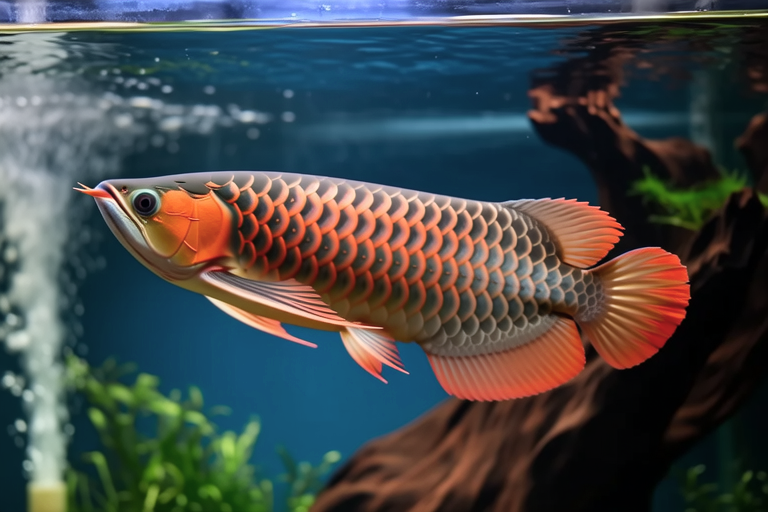
From River to Tank: Everything You Need to Know About Arowana Care
The Arowana, often referred to as the ‘Dragon Fish,’ is one of the most majestic creatures in the aquatic world. With its striking metallic scales and elongated body, this fish is not only a sight to behold but also carries significant cultural and historical importance, especially in parts of Southeast Asia where it is believed to bring good luck and fortune.
Natural Habitat vs. Aquarium Settings
In their natural habitat, Arowanas can be found in the rivers of South America, Africa, and parts of Asia. They thrive in large, flowing waters where they can swim freely and hunt for prey. The challenge in transitioning these powerful swimmers from their native rivers to a home aquarium lies in recreating an environment that mimics their natural surroundings. This includes providing ample space, specific water conditions, and a diet that meets their nutritional needs.
One of the primary differences between river and tank environments is the size. Rivers offer vast spaces where Arowanas can explore and hunt, whereas aquariums are confined. It’s crucial to provide a tank large enough for your Arowana to swim comfortably. Smaller tanks can lead to stress and health problems due to restricted movement.
Setting Up the Ideal Tank Environment
Size Requirements: For a single Arowana, a tank of at least 300 gallons is recommended. Larger tanks, such as 500 gallons or more, are ideal for pairs or groups, allowing them to exhibit their full range of behaviors.
Water Parameters: Maintaining the correct temperature and pH levels is vital. Arowanas prefer warm waters, ideally between 78°F and 84°F. The pH should be slightly acidic to neutral, ranging from 6.5 to 7.5. Regular testing with a reliable water test kit will help ensure these parameters are maintained.
Filtration Systems: Given the size of the tank, a robust filtration system is necessary to keep the water clean and free of toxins. High-quality filters that can handle high flow rates and efficiently remove waste are essential. Considerations should also include biological, mechanical, and chemical filtration.
Suitable Decorations: Decorations should mimic the natural environment, offering hiding spots and areas for the Arowana to explore. Driftwood, rocks, and plants can create a visually appealing and functional setup. However, avoid sharp or abrasive materials that could injure the fish.
Dietary Needs
Arowanas are carnivorous and require a diet rich in protein. In the wild, they feed on smaller fish, insects, and crustaceans. Commercial foods designed for predatory fish, such as frozen or freeze-dried krill, silversides, and earthworms, can be used. These should be supplemented with live foods like feeder fish to stimulate natural hunting behavior.
Feeding Frequency and Portion Control: Feed adult Arowanas once daily, providing just enough food that they can consume within a few minutes. Overfeeding can lead to poor water quality and health issues.
Common Health Issues and Preventive Measures
Common health issues in Arowanas include fin rot, fungal infections, and parasites. Regular observation for signs of distress, such as lethargy, loss of appetite, or abnormal swimming patterns, is crucial. To prevent these issues, maintain optimal water quality and provide a balanced diet.
If a health issue is suspected, consult with a veterinarian specializing in exotic fish. Treatment may involve antibiotics, antifungal medications, or anti-parasitic treatments, depending on the diagnosis.
Maintaining a Healthy and Happy Arowana
Regular monitoring of water parameters and the overall condition of your Arowana is key to maintaining their health. Adjustments in care routines may be necessary based on changes in the fish’s behavior or the water quality. This might include increasing or decreasing feeding amounts, adjusting filtration settings, or performing more frequent water changes.
Creating a stable environment where your Arowana can thrive requires commitment and attention to detail. By understanding their unique needs and providing the best possible care, you can enjoy the beauty and grace of these magnificent creatures in your home aquarium.
