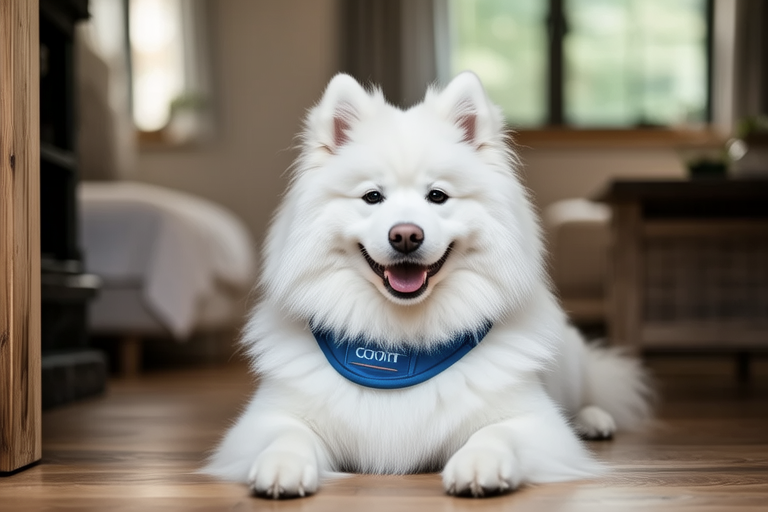
Unleashing Joy: Training Tips for Samoyed Owners
Samoyeds, with their fluffy white coats and expressive faces, are beloved by many for their charming appearance. However, owning a Samoyed comes with its own set of responsibilities, particularly when it comes to training. These dogs are intelligent, friendly, and energetic, but they can also be stubborn at times. Proper training is essential to ensure that your Samoyed becomes a well-behaved and happy companion. In this article, we will explore essential training methods, common behavioral issues, and solutions tailored specifically for Samoyeds. We’ll cover socialization, basic commands, exercise needs, and maintaining a positive training environment. By the end of this guide, you’ll have the tools you need to foster a strong bond and joyful companionship with your Samoyed.
The Unique Traits of Samoyeds
Before diving into specific training techniques, it’s important to understand the unique traits of Samoyeds. These dogs were originally bred by the Samoyede people in Siberia to herd reindeer and pull sleds. As such, they are highly intelligent, independent, and have a strong work ethic. They are also known for their gentle nature and love of human companionship, making them excellent family pets. However, their intelligence can sometimes lead to stubbornness, especially if they don’t see the point of following commands. It’s crucial to approach training with patience, consistency, and positive reinforcement to harness their natural intelligence and loyalty.
Importance of Early Socialization
One of the most important aspects of raising a well-adjusted Samoyed is early socialization. Exposing your puppy to different environments, people, and other animals from an early age helps them develop confidence and good manners. Start socializing your Samoyed as soon as you bring them home, ideally within the first few weeks. Take them to dog parks, introduce them to friends and family, and allow them to experience various sounds and smells. Positive interactions during these early stages will help your Samoyed become a friendly and well-behaved adult dog.
When introducing your Samoyed to new situations, always ensure their safety. Keep initial encounters short and positive, offering treats and praise to reinforce good behavior. Gradually increase the complexity and duration of these experiences as your dog becomes more comfortable. Remember, the goal is to build a confident and well-socialized dog, not one that is overwhelmed or anxious.
Basic Commands Every Samoyed Should Know
Teaching your Samoyed basic commands is essential for their safety and your peace of mind. Here are some key commands every Samoyed should learn:
- Stay: This command is crucial for keeping your Samoyed safe in potentially dangerous situations. Start by asking your dog to sit or lie down, then say “stay” while holding your hand out in front of them. Gradually increase the time they stay before rewarding them with a treat. Practice in different locations and gradually increase distractions.
- Come: Teaching your Samoyed to come when called is vital for their safety. Use a happy tone and reward them generously when they respond. Avoid calling them to scold or punish, as this could make them less likely to come next time.
- Heel: This command teaches your Samoyed to walk beside you without pulling on the leash. Start by walking side by side, rewarding them for staying close. Gradually increase the length of your walks and add distractions to test their focus.
- Leave It: This command prevents your Samoyed from picking up and eating dangerous objects. Hold a treat in your closed fist and say “leave it.” When your dog backs off, open your hand and give them a different treat. Repeat this process until they consistently leave the object alone.
Consistency is key when teaching these commands. Use the same words and hand signals each time, and always reward your Samoyed for correct responses. Patience and positive reinforcement will help your Samoyed learn quickly and reliably.
Addressing Common Behavioral Issues
Despite their friendly nature, Samoyeds can sometimes exhibit behaviors that may seem challenging. Understanding and addressing these issues early on can prevent them from becoming ingrained habits. Here are some common behavioral issues and solutions:
- Barking: Samoyeds are vocal dogs and may bark excessively if they’re bored, excited, or seeking attention. To reduce excessive barking, provide plenty of mental and physical stimulation. Teach your Samoyed the “quiet” command by rewarding them when they stop barking on command. Redirect their attention to a toy or activity when they start barking.
- Destructive Chewing: Chewing is a natural behavior for puppies, but it can become problematic if left unchecked. Provide appropriate chew toys and supervise your Samoyed during playtime. If you catch them chewing on something they shouldn’t, redirect them to a suitable toy and praise them for choosing the right item.
- Separation Anxiety: Some Samoyeds may experience separation anxiety, leading to destructive behavior or excessive barking when left alone. To address this, gradually increase the amount of time your Samoyed spends alone. Provide them with a comfortable space filled with toys and a familiar blanket. Consider leaving a radio playing softly to mimic the sound of your voice.
- Overprotectiveness: While Samoyeds are generally gentle, they can sometimes become overprotective of their family, especially around strangers. Encourage calm behavior around visitors by rewarding your Samoyed for remaining relaxed. Socialize your dog with a variety of people to help them become more comfortable with unfamiliar faces.
Maintaining a Positive Training Environment
A positive training environment is essential for successful training sessions. Create a space where your Samoyed feels safe, comfortable, and motivated to learn. Choose a quiet area free from distractions, and ensure there are no potential hazards. Use treats and praise to reward your Samoyed for correct responses, and avoid using punishment or negative reinforcement. Positive reinforcement encourages your dog to repeat desired behaviors and strengthens the bond between you and your pet.
Training sessions should be short and frequent, lasting about 10-15 minutes per session. This keeps your Samoyed engaged and prevents them from becoming bored or frustrated. End each session on a positive note, and take breaks when necessary. Consistency is key, so try to practice the same commands daily to reinforce learning.
Exercise Needs of Samoyeds
Samoyeds are high-energy dogs that require regular exercise to maintain their physical and mental health. Without adequate exercise, they may become restless and destructive. Aim to provide at least 60-90 minutes of exercise daily, combining both physical and mental activities. Long walks, runs, and games of fetch are great ways to burn off excess energy. Puzzle toys and interactive games can also stimulate their minds and keep them engaged.
It’s important to tailor your Samoyed’s exercise routine to their individual needs. Some dogs may prefer longer walks, while others may enjoy shorter, more intense bursts of activity. Pay attention to your dog’s body language and adjust their exercise accordingly. Always ensure your Samoyed has access to fresh water and shade during outdoor activities, especially in hot weather.
Fostering a Strong Bond
Building a strong bond with your Samoyed is essential for a joyful and fulfilling relationship. Spend quality time together, engage in activities they enjoy, and show them affection regularly. Trainings and playtime are great opportunities to strengthen your bond, but don’t forget to simply relax and enjoy each other’s company too. Samoyeds thrive on human interaction and love being part of the family.
Respect your Samoyed’s individuality and adapt your training methods accordingly. Some dogs may learn faster than others, and what works for one may not work for another. Be patient, and celebrate small victories along the way. With consistent effort and positive reinforcement, you’ll build a strong, trusting relationship with your Samoyed.
Conclusion
Owning a Samoyed is a rewarding experience, but it requires dedication and effort to train them properly. By understanding their unique traits, providing early socialization, teaching basic commands, addressing common behavioral issues, and maintaining a positive training environment, you can ensure that your Samoyed becomes a well-behaved and happy companion. Remember to tailor your training methods to your dog’s individual needs and celebrate progress along the way. With patience, consistency, and positive reinforcement, you’ll build a strong bond and enjoy countless joyful moments with your Samoyed.
