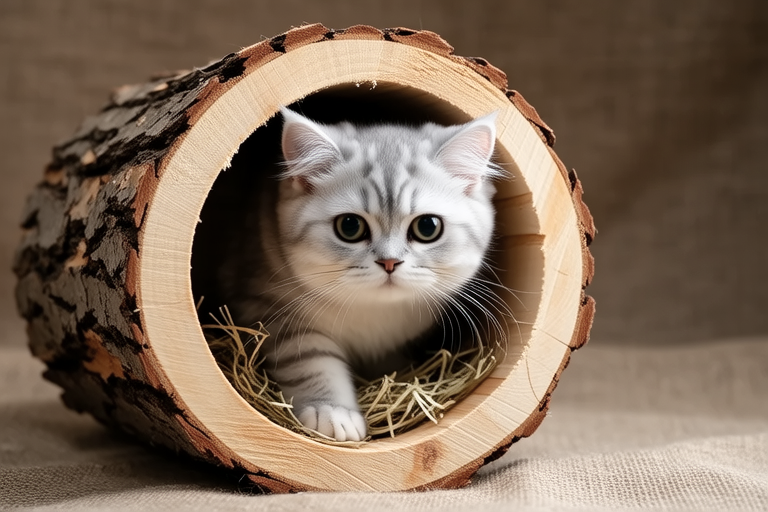
How To Create The Perfect Hideout For Your Chinchilla
Welcome to our comprehensive guide on how to create the perfect hideout for your chinchilla. Chinchillas are small, fluffy rodents that require specific living conditions to thrive. This article will walk you through the process of building a safe, comfortable hideout that meets their needs. We’ll cover selecting appropriate materials, ensuring proper ventilation, considering size and dimensions, adding cozy bedding, and incorporating features that stimulate natural behaviors. By following these steps, you can ensure your chinchilla’s well-being and provide them with an enriching environment.
Selecting Appropriate Materials
The first step in creating a perfect hideout for your chinchilla is choosing the right materials. Chinchillas have sensitive respiratory systems, so it’s crucial to avoid materials that could cause allergies or respiratory issues. Opt for untreated wood, cardboard, or plastic. Avoid cedar and pine shavings, as they contain aromatic oils that can irritate your chinchilla’s lungs. Untreated wood, such as aspen, is an excellent choice because it is safe, easy to clean, and provides natural chewing opportunities.
Cardboard boxes can also serve as temporary hideouts. They are inexpensive, easily replaceable, and offer a cozy retreat for your chinchilla. However, cardboard is not suitable for long-term use due to its tendency to deteriorate quickly and potentially harbor bacteria. Plastic hideouts are another option, offering durability and ease of cleaning. When choosing plastic, look for models with smooth surfaces to prevent your chinchilla from getting caught or injured.
Ensuring Proper Ventilation
Proper ventilation is essential for maintaining a healthy environment for your chinchilla. Chinchillas come from high-altitude regions where the air is dry and cool. Therefore, their hideouts should mimic these conditions by allowing fresh air to circulate. Avoid completely enclosed hideouts, as they can trap moisture and heat, leading to respiratory problems. Instead, opt for hideouts with openings or mesh sides that allow for adequate airflow.
If you’re building a hideout from scratch, consider adding ventilation holes or using wire mesh for the walls. Ensure that any openings are large enough to allow air to flow freely but small enough to prevent your chinchilla from escaping or getting hurt. Regularly check the hideout for any signs of dampness or mold, which can indicate poor ventilation and should be addressed immediately.
Considering Size and Dimensions
When designing a hideout for your chinchilla, size and dimensions play a crucial role in ensuring comfort and safety. Chinchillas are active creatures that need ample space to move around and explore. A hideout that is too small can lead to stress and discomfort, while one that is too large may not provide the sense of security your chinchilla craves.
A good rule of thumb is to choose a hideout that is at least twice the length of your chinchilla when stretched out. This allows room for movement and stretching. Additionally, consider the height of the hideout. Chinchillas enjoy climbing and jumping, so providing vertical space can enhance their enrichment. If you’re building a custom hideout, incorporate multiple levels or platforms to encourage exploration and exercise.
Ensure that the entrance to the hideout is wide enough for your chinchilla to enter and exit comfortably. A narrow entrance can make your chinchilla feel trapped or stressed. Also, consider the overall design of the hideout. Curved tunnels or cozy corners can provide additional hiding spots and create a more inviting environment for your chinchilla.
Adding Cozy Bedding
Bedding is an essential component of a chinchilla’s hideout, providing comfort and warmth. Choose bedding materials that are soft, absorbent, and dust-free. Popular options include fleece blankets, cotton towels, or commercial chinchilla-safe bedding products like shredded paper or recycled paper pellets. Avoid using straw, hay, or sawdust, as these can cause respiratory issues or harbor bacteria.
Fleece blankets are an excellent choice for bedding because they are soft, easy to clean, and provide a snug, warm environment. You can cut the blanket to fit the bottom of the hideout and secure it with clips or hooks. Alternatively, you can drape the blanket over part of the hideout to create a cozy nest area. Cotton towels are another option, offering a similar level of comfort and ease of cleaning.
Regardless of the material you choose, ensure that the bedding is changed regularly to maintain hygiene and prevent the buildup of bacteria or odors. Remove soiled bedding daily and wash or replace it as needed. Providing multiple bedding areas within the hideout can give your chinchilla different options for resting and nesting.
Incorporating Features That Stimulate Natural Behaviors
To keep your chinchilla mentally and physically stimulated, incorporate features into the hideout that encourage natural behaviors. Chinchillas are curious and active animals that enjoy exploring, climbing, and gnawing. Providing toys and accessories that cater to these instincts can enhance their well-being and prevent boredom.
Consider adding tunnels or tubes that allow your chinchilla to crawl through and explore. These can be made from cardboard or purchased commercially. Tunnels provide a fun way for your chinchilla to exercise and develop confidence. Additionally, include platforms or shelves that enable your chinchilla to climb and jump. Vertical spaces can help satisfy their natural urge to explore heights.
Gnawing is an important behavior for chinchillas, as it helps maintain their teeth. Provide wooden chew toys or untreated branches that are safe for gnawing. These not only entertain your chinchilla but also promote dental health. Avoid toxic woods like cherry or walnut, and always supervise your chinchilla when introducing new toys to ensure they are safe.
Finally, consider adding a hammock or swing to your chinchilla’s hideout. These provide a unique place for your chinchilla to rest and sleep. Hammocks can be made from fleece or other soft materials and attached to the sides or ceiling of the hideout. Ensure that the hammock is securely fastened and large enough for your chinchilla to lie down comfortably.
Creating a Safe and Comfortable Environment
Creating a safe and comfortable environment for your chinchilla is paramount to their well-being. In addition to the elements discussed above, there are several other considerations to keep in mind:
- Temperature Control: Chinchillas are sensitive to heat and humidity. Ensure that the hideout is placed in a cool, dry area away from direct sunlight or heat sources. Maintain a temperature range of 64°F to 70°F (18°C to 21°C) to prevent overheating.
- Hygiene: Regularly clean the hideout to prevent the buildup of bacteria and odors. Use mild, pet-safe disinfectants and thoroughly rinse and dry the hideout before replacing the bedding.
- Safety: Inspect the hideout regularly for any sharp edges, loose parts, or potential hazards. Ensure that all components are securely fastened and that there are no gaps or openings that could pose a risk to your chinchilla.
- Quiet: Chinchillas are sensitive to noise, so place the hideout in a quiet area to minimize stress. Avoid placing the hideout near loud appliances or busy areas of your home.
Conclusion
Creating the perfect hideout for your chinchilla requires careful consideration of materials, ventilation, size, bedding, and enrichment features. By following the steps outlined in this guide, you can build a safe, comfortable, and stimulating environment that promotes your chinchilla’s physical and mental well-being. Remember to prioritize your chinchilla’s safety, comfort, and enrichment at every stage of the hideout-building process. With the right hideout, your chinchilla will have a cozy retreat that encourages natural behaviors and provides a happy, healthy life.
