Bengal Cats: The Playful, Intelligent Feline You Didn’t Know You Needed
Imagine a cat with the sleek elegance of a leopard, the grace of a cheetah, and the charm of a domestic feline. Welcome to the world of Bengal cats, a breed that combines the best of both worlds – the exotic allure of their wild ancestors and the companionship of a loving pet. These strikingly beautiful creatures are more than just pretty faces; they’re also incredibly playful and highly intelligent. In this article, we’ll delve into the captivating world of Bengal cats, exploring their origins, personalities, care requirements, and why they make such wonderful companions.
The Exotic Appeal of Bengal Cats
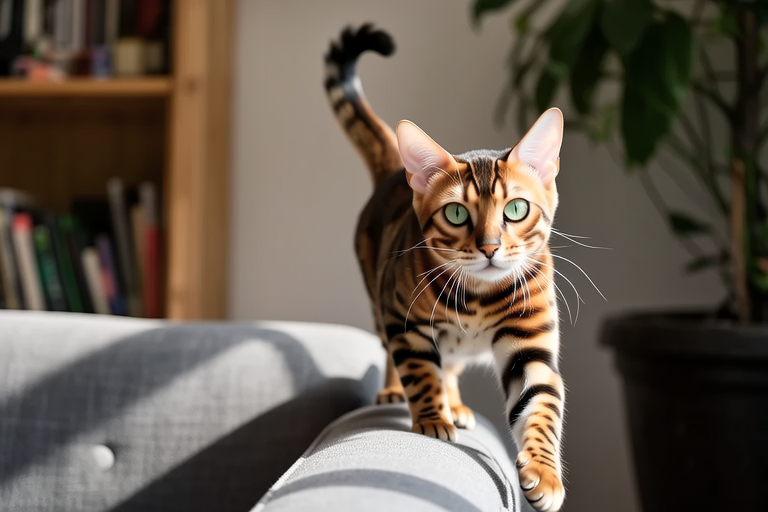
Bengal cats are a hybrid breed resulting from the crossbreeding of domestic cats and Asian leopards. Their most distinctive feature is their striking coat, which resembles the fur of a wild cat. Bengals have rosettes or marbled patterns that make them look like tiny tigers or leopards. This unique appearance is what draws many people to the breed, but it’s their personality that truly sets them apart.
A Playful and Intelligent Breed
Bengal cats are known for their high energy levels and curious nature. They love to explore and play, often engaging in activities that mimic hunting behaviors. For example, you might find your Bengal chasing after toys, climbing trees, or even swimming if given the chance. Their intelligence makes them quick learners, and they can be trained to perform tricks or use a litter box. Bengal cats are also very social and enjoy interacting with their human companions. They’re often referred to as “dog-like” due to their loyalty and affectionate behavior.
Examples of Playful Behavior
- Pouncing: Bengal cats are natural hunters, and their playful pounces are a joy to watch. They leap with agility and precision, making them seem almost like miniature predators.
- Climbing: These cats love to climb, and they’re quite skilled at it. Providing them with tall scratching posts or cat trees will keep them entertained and help maintain their claws.
- Swimming: Unlike most cats, Bengals actually enjoy water. Some Bengal owners report that their cats swim in the bathtub or even go for dips in pools.
Intelligence in Action
Bengals are highly intelligent and can learn tricks and commands quickly. Many owners teach their Bengals to fetch, sit, or come when called. Their intelligence also means they can be quite vocal, often communicating their needs or desires clearly. Training a Bengal cat requires patience and positive reinforcement, but the results are well worth the effort.
Caring for Your Bengal Cat
While Bengal cats are generally low-maintenance, they do have specific care needs that must be met to ensure their health and happiness. Proper nutrition, regular exercise, and grooming are essential aspects of caring for a Bengal cat.
Dietary Needs
Bengal cats are obligate carnivores, meaning their diet should primarily consist of meat. High-quality commercial cat foods that are rich in animal protein are ideal. It’s important to avoid feeding them foods that are toxic to cats, such as chocolate, onions, or garlic. Additionally, Bengals require a balanced diet that includes essential vitamins and minerals. Consult with your veterinarian to determine the best food options for your Bengal.
Exercise Requirements
Due to their high energy levels, Bengal cats need plenty of opportunities to exercise. Interactive toys, laser pointers, and puzzle feeders are great ways to stimulate their minds and bodies. Providing access to safe outdoor areas, such as enclosed patios or screened-in porches, can also satisfy their adventurous spirits. Regular play sessions with your Bengal will strengthen your bond and prevent boredom-related behavioral issues.
Grooming
Bengal cats have short, dense coats that require minimal grooming. Weekly brushing helps remove loose hair and prevents matting. Bathing may be necessary occasionally, especially if your Bengal enjoys playing outside. However, Bengals are typically clean animals and groom themselves regularly. Dental hygiene is also important, so provide your cat with chew toys and consider brushing their teeth or offering dental treats.
Living Environment and Compatibility
Bengal cats are adaptable and can thrive in various living environments, from small apartments to spacious homes. However, their active nature means they require ample space to move around and play. If you live in a smaller space, consider creating vertical spaces for your cat, such as shelves or cat trees.
Compatibility with Families
Bengals are generally friendly and get along well with children and other pets. However, their high energy levels and playfulness mean they need supervision around young children. Teaching children how to handle and interact with the cat gently is crucial. Introducing Bengals to other pets should be done gradually and under controlled conditions to ensure everyone gets along.
Potential Challenges
One of the biggest challenges for new Bengal cat owners is managing their high energy levels. Bengals are not the type of cat that will simply curl up on your lap all day. They require mental and physical stimulation to stay happy and healthy. Another challenge is their tendency to be vocal. While some people appreciate their communicative nature, others may find the constant meowing or chirping somewhat annoying. Lastly, Bengal cats can be quite possessive of their owners, so socialization from a young age is important to ensure they don’t become overly attached.
Why Choose a Bengal Cat?
In conclusion, Bengal cats are a unique and rewarding choice for those who are willing to meet their spirited demands. Their exotic appearance, playful nature, and high intelligence make them stand out among other cat breeds. With proper care and attention, Bengal cats can provide years of companionship and joy. Whether you’re looking for a loyal friend or an exciting addition to your household, a Bengal cat could be the perfect fit.
