Discover the Graceful Giants of the Cat World: Ragdolls
In the realm of feline companions, there exists a breed that captivates hearts and minds with its gentle demeanor and striking appearance. The Ragdoll, often referred to as the “puppy cat” due to its affectionate nature, has earned a special place in the hearts of cat lovers worldwide. This article delves into the unique characteristics, temperament, and history of Ragdoll cats, providing an in-depth look at their physical attributes, behavior, and care requirements. Whether you’re a seasoned cat owner or considering welcoming a Ragdoll into your family, this guide will offer valuable insights into these graceful giants of the cat world.
The Fascinating History of Ragdoll Cats
The story of the Ragdoll begins in the mid-20th century, in California, where a breeder named Ann Baker crossed several domestic shorthair cats with Persian and Burmese cats. The result was a breed that would go on to charm countless households with its distinctive traits. Ann Baker’s vision was to create a cat that combined the loyalty and affection of a dog with the elegance and grace of a cat. Over the years, the Ragdoll has become one of the most popular breeds globally, recognized by various cat registries for its unique qualities.
One of the most intriguing aspects of the Ragdoll is its genetic predisposition to become limp when picked up, a trait that has contributed to its name. This docile response, akin to a rag doll, makes the Ragdoll an ideal companion for those seeking a cat that enjoys being cuddled and carried. However, it’s important to note that this trait is not exclusive to the Ragdoll and can be observed in other cat breeds as well.
Physical Attributes of Ragdoll Cats
Ragdolls are medium to large-sized cats, with males typically weighing between 12 to 20 pounds and females ranging from 8 to 15 pounds. Their substantial size is complemented by their muscular build, giving them a robust yet elegant appearance. Ragdolls have a broad chest, a long body, and a tail that is almost as long as their body, adding to their regal stature.
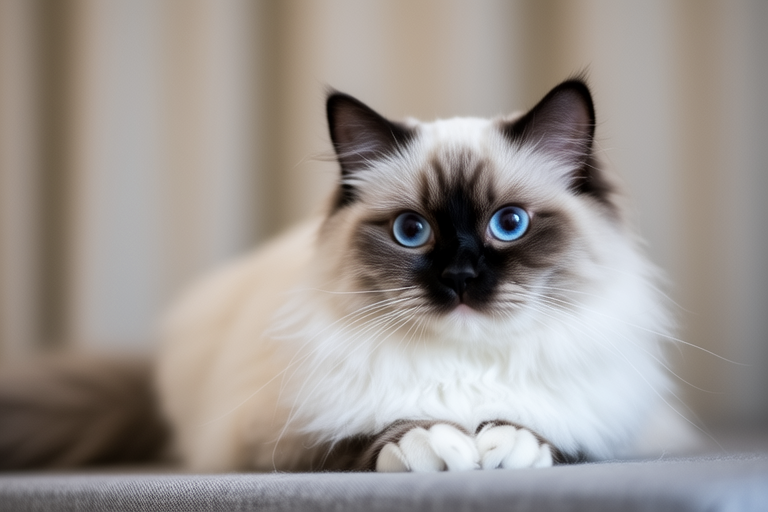
One of the defining features of Ragdolls is their luxurious semi-longhair coat, which requires regular grooming to maintain its silky texture. The coat is dense and plush, with a soft undercoat that provides insulation against cold temperatures. Ragdolls come in a variety of colors, including seal, blue, chocolate, and lilac, each with varying patterns such as pointed, bicolor, and van. The pointed pattern, where the extremities (ears, face, paws, and tail) are darker than the rest of the body, is perhaps the most recognizable.
Another notable characteristic of Ragdolls is their striking blue eyes, which add to their ethereal beauty. These large, expressive eyes are framed by a slightly rounded head, contributing to their overall gentle and approachable appearance. Ragdolls have medium-length ears that are wide at the base and rounded at the tips, enhancing their endearing facial expressions.
Temperament and Behavior
Ragdolls are known for their friendly and docile nature, making them an excellent choice for families and individuals looking for a cat that enjoys human interaction. They are highly social animals that thrive on attention and companionship, often following their owners around the house, much like a loyal dog. Ragdolls are particularly fond of being held and carried, and they often assume a relaxed posture when picked up, further cementing their reputation as the “puppy cat.”
Despite their laid-back demeanor, Ragdolls are not entirely inactive. They enjoy playing with toys, especially those that stimulate their hunting instincts, such as feather wands and laser pointers. Ragdolls are also intelligent and trainable, often responding well to positive reinforcement techniques. Some owners have even taught their Ragdolls to walk on a leash, allowing them to explore the outdoors safely.
When it comes to compatibility with other pets, Ragdolls generally get along well with dogs and other cats, provided they are introduced gradually and given time to adjust. Their calm and gentle nature makes them tolerant of household disruptions, but they still require attention and affection to thrive. It’s important to ensure that any new pet is properly socialized and supervised during initial interactions to prevent any misunderstandings or conflicts.
Care Requirements and Maintenance
Owning a Ragdoll requires commitment to their specific care needs, particularly regarding their coat and overall health. Ragdolls have a semi-longhair coat that demands regular grooming to prevent matting and tangles. Weekly brushing sessions are recommended to keep their fur healthy and shiny. During shedding seasons, more frequent grooming may be necessary to remove loose hair and minimize dander.
In addition to coat care, Ragdolls require a balanced diet rich in nutrients to support their overall health and longevity. High-quality commercial cat food, formulated for indoor or senior cats, is generally sufficient. However, it’s essential to consult with a veterinarian to determine the appropriate portion sizes and feeding schedule based on the individual cat’s age, weight, and activity level.
Ragdolls are prone to certain health issues, including hypertrophic cardiomyopathy, a condition affecting the heart muscle. Regular veterinary check-ups are crucial for early detection and management of any potential health problems. Vaccinations and preventive treatments for parasites, such as fleas and worms, should also be kept up to date.
Tips for Potential Owners
If you’re considering adopting a Ragdoll, there are several factors to keep in mind to ensure a harmonious relationship with your new feline friend. First and foremost, Ragdolls require plenty of attention and companionship. They are not suited for households where they will be left alone for extended periods. If you work long hours or travel frequently, it might be better to choose a more independent breed.
Creating a comfortable and stimulating environment is also essential for Ragdolls. Provide them with scratching posts, climbing structures, and interactive toys to keep them entertained and mentally engaged. A designated sleeping area with soft bedding and a cozy blanket will help them feel secure and at home.
Lastly, be prepared for the possibility of separation anxiety if you leave your Ragdoll alone for too long. Signs of distress may include excessive meowing, destructive behavior, or loss of appetite. To mitigate these issues, consider leaving the radio or television on while you’re away, or provide a pheromone diffuser to create a calming atmosphere.
Conclusion
The Ragdoll is a breed that embodies the perfect blend of beauty, grace, and companionship. With their affectionate nature, striking appearance, and unique characteristics, Ragdolls have captured the hearts of many cat enthusiasts. Whether you’re a first-time cat owner or an experienced breeder, the Ragdoll offers a rewarding and enriching experience. By understanding their care requirements and providing them with love and attention, you can ensure a happy and healthy life for your Ragdoll companion. Embrace the opportunity to welcome one of these graceful giants into your home and discover the joy they bring to everyday life.
