Water Monitor 101: Everything You Need to Know Before Adopting One
Welcome to the world of water monitors! These fascinating creatures are part of the Varanus genus, a family that includes some of the largest lizards in the world. If you’re considering adopting a water monitor as a pet, this guide will provide you with all the essential information you need to make an informed decision.
An Introduction to Water Monitors
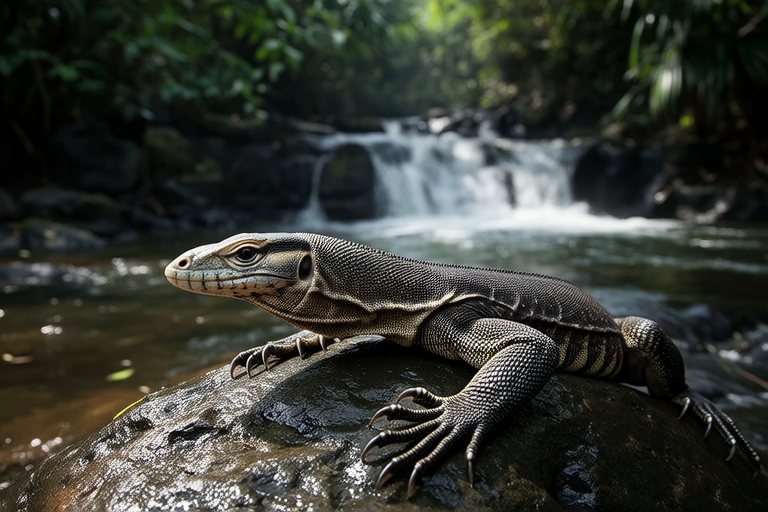
The water monitor (Varanus salvator) is native to Southeast Asia and parts of India. Known for their sleek bodies, powerful tails, and sharp claws, they can grow up to 7 feet in length. They are semi-aquatic, spending time both in water and on land. Their ability to swim makes them adept at hunting prey in aquatic environments, and they are also skilled climbers. Water monitors have excellent eyesight and a keen sense of smell, which helps them locate food.
Natural Habitat
In the wild, water monitors thrive in tropical forests, mangrove swamps, and freshwater habitats. They are highly adaptable and can be found near rivers, lakes, and coastal areas. The ideal environment for a water monitor mimics these conditions, offering plenty of space for swimming and climbing. Providing a large tank or enclosure with access to both water and land is crucial for their well-being.
Dietary Needs
Water monitors are carnivorous and require a varied diet to stay healthy. In the wild, they eat insects, small mammals, birds, fish, and even carrion. As pets, they can be fed a combination of commercially available lizard pellets, rodents, and fish. It’s important to ensure that their diet is balanced and that they receive the necessary nutrients. Feeding them live prey occasionally can also stimulate their natural hunting instincts.
Housing Requirements
Adequate housing is critical for the health and happiness of your water monitor. A spacious enclosure is necessary, given their size and activity level. A minimum enclosure size for a young water monitor is about 6 feet by 3 feet, but adult monitors will require much larger spaces, often exceeding 12 feet by 6 feet. The enclosure should include a deep water area for swimming and a dry area for basking. Proper ventilation is essential, as stagnant air can lead to respiratory issues.
Health Care Tips
Regular veterinary check-ups are vital for monitoring your water monitor’s health. Look for signs of illness such as lethargy, loss of appetite, or changes in behavior. Maintaining clean living conditions and providing a balanced diet can help prevent many health issues. Additionally, water monitors require UVB lighting to support calcium absorption and bone health. Regularly cleaning their enclosure and ensuring the water is fresh will also contribute to their overall well-being.
Behavioral Insights
Water monitors are intelligent and curious animals, but they can also be quite active and demanding. They are generally solitary creatures and may not appreciate the company of other pets or even humans. Early socialization and handling can help build trust, but it’s important to respect their boundaries and avoid forcing interactions. Providing mental stimulation through enrichment activities, such as hiding treats or introducing new objects, can help keep them engaged and reduce stress.
Legal Considerations
Before adopting a water monitor, it’s crucial to research local laws and regulations regarding exotic pets. Some regions have strict rules about owning certain species, including water monitors. Check with your local authorities to ensure that owning a water monitor is legal in your area. Additionally, obtaining a permit or license might be required. It’s also important to consider the long-term commitment involved in caring for such a large and potentially long-lived animal.
Where and How to Adopt
Adopting a water monitor from a reputable breeder or rescue organization is recommended. Breeders can provide valuable information about the specific lineage and care requirements of the animal. Rescue organizations often have water monitors that need homes due to previous owners’ inability to care for them properly. When adopting, ask about the monitor’s history, health status, and any specific care instructions. It’s also advisable to visit the monitor before adoption to ensure compatibility and observe its behavior.
Consider joining online forums or local groups dedicated to reptile enthusiasts. These communities can offer support, advice, and resources for new and experienced owners alike. They can also serve as a platform to connect with breeders and rescues in your area.
Remember, adopting a water monitor is a significant responsibility. These animals require a lot of space, attention, and specialized care. By thoroughly researching and preparing for the challenges and rewards of ownership, you can ensure a happy and healthy life for your new pet.
Conclusion
Owning a water monitor can be an enriching experience for those willing to meet the demands of caring for such a unique and captivating creature. With proper research, preparation, and dedication, you can provide a loving home for your new pet. Remember, the key to successful ownership lies in understanding and meeting the needs of your water monitor, ensuring their health, happiness, and longevity.
