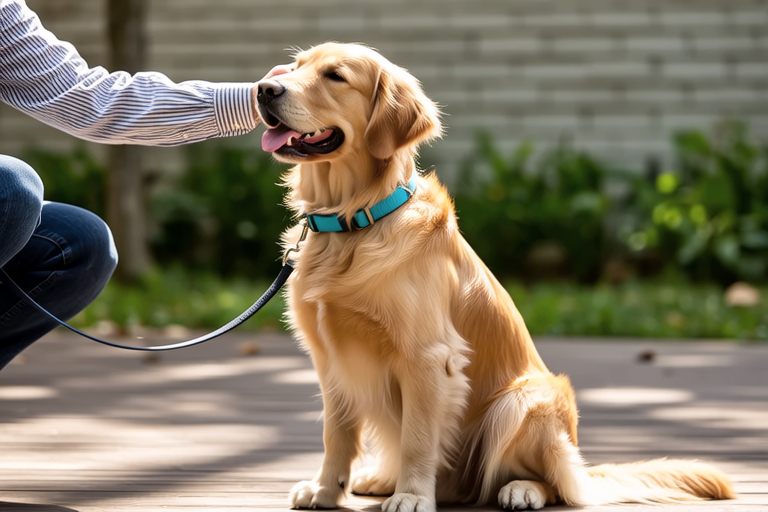
Training Tips Every Golden Retriever Owner Should Try
Welcome to this comprehensive guide on training your Golden Retriever! Known for their friendly and loyal nature, these dogs are also highly intelligent and eager to please. However, their enthusiasm can sometimes lead to challenges in training. This article will provide you with essential training methods, address common behavioral issues, offer effective positive reinforcement techniques, introduce basic commands, suggest socialization strategies, and give tips for maintaining consistency in training routines. Whether you’re a new or experienced owner, this guide will equip you with practical advice to help you and your Golden Retriever thrive together.
Understanding Your Golden Retriever
Before diving into training, it’s crucial to understand your Golden Retriever’s unique characteristics. These dogs are known for their intelligence, loyalty, and friendly demeanor. They are also very energetic and require regular exercise and mental stimulation to stay happy and healthy. Their playful nature can sometimes lead to mischievous behavior, but with the right approach, you can channel their energy into positive activities.
Essential Training Methods Tailored for Golden Retrievers
Golden Retrievers respond well to positive reinforcement, which involves rewarding good behavior with treats, praise, or toys. This method helps build a strong bond between you and your dog while encouraging desirable behaviors. Here are some essential training methods:
- Clicker Training: A clicker is a small device that makes a clicking sound when pressed. It can be used to mark the exact moment your dog performs a desired action. Once the click is heard, immediately reward your dog with a treat. Over time, your dog will associate the click with the reward, making it easier to train specific behaviors.
- Shaping: This technique involves reinforcing successive approximations of a target behavior. For example, if you want your dog to sit, start by rewarding any movement that brings them closer to sitting, such as lowering their hindquarters slightly. Gradually increase the criteria for receiving a reward until your dog is fully sitting.
- Desensitization and Counterconditioning: If your dog has a fear or phobia, these techniques can help reduce their anxiety. Desensitization involves gradually exposing your dog to the feared stimulus in a controlled manner, while counterconditioning focuses on changing the emotional response to the stimulus through positive associations.
Addressing Common Behavioral Issues
Like any breed, Golden Retrievers can exhibit certain behavioral issues. Understanding these problems and knowing how to address them effectively is key to successful training.
- Barking: Barking is a natural form of communication for dogs, but excessive barking can become a nuisance. To manage this, teach your dog an alternative behavior, such as going to their bed or playing with a toy, whenever they start barking. Reward them for choosing the new behavior instead of barking.
- Chewing: Puppies and young dogs often chew out of curiosity and teething discomfort. Provide appropriate chew toys and redirect your dog’s attention to them whenever they start chewing on something they shouldn’t. Consistency is key in teaching your dog what is acceptable to chew on.
- Destructive Behavior: Destructive behavior can range from digging to tearing up furniture. To prevent this, ensure your dog gets enough exercise and mental stimulation. Providing puzzle toys or interactive games can help satisfy their need for activity and challenge.
Effective Positive Reinforcement Techniques
Positive reinforcement is one of the most powerful tools in dog training. It involves rewarding your dog for performing a desired behavior, which increases the likelihood of that behavior being repeated. Here are some effective ways to use positive reinforcement:
- Treats: High-value treats are ideal for training sessions. Choose treats that your dog loves but don’t overdo it to avoid weight gain. Small, soft treats work best because they are easy to consume quickly.
- Praise: Verbal praise, such as saying “Good boy!” or “Good girl!”, can be just as effective as treats. Make sure your tone is enthusiastic and encouraging.
- Toys: Some dogs are more motivated by toys than treats. Use their favorite toy as a reward during training sessions.
- Patience: Be patient and consistent in your training efforts. Dogs learn at different paces, so give your Golden Retriever time to understand and master each command.
Basic Commands Every Golden Retriever Should Know
Teaching your Golden Retriever basic commands is an important part of their training. These commands provide structure and safety, ensuring that your dog behaves appropriately in various situations. Here are some essential commands to teach:
- Sit: Start by holding a treat close to your dog’s nose and slowly move it upwards, causing their head to follow the treat. As their bottom touches the ground, say “Sit” and give them the treat. Repeat this process several times until your dog associates the word “Sit” with the action.
- Stay: Begin with your dog in a sitting position. Hold your hand out flat, palm facing towards your dog, and say “Stay.” Take a step back and wait a few seconds before returning to your dog and rewarding them. Gradually increase the distance and duration of the stay as your dog becomes more comfortable with the command.
- Down: Start with your dog in a sitting position. Hold a treat in your closed hand and lower it to the ground in front of your dog. As they lower themselves to reach the treat, say “Down” and release the treat once they are fully lying down. Practice this command in short sessions to avoid overwhelming your dog.
- Come: Teach your dog to come when called by using a recall area with minimal distractions. Call your dog’s name followed by “Come” in a cheerful voice. When they arrive, reward them with treats and praise. Practice this command frequently in different environments to ensure reliability.
- Leave It: This command teaches your dog to ignore objects they shouldn’t have. Place a treat in your closed fist and let your dog sniff it. Say “Leave it” and wait for your dog to stop trying to get the treat. Once they do, open your hand and give them a different treat as a reward. Repeat this process several times until your dog understands the command.
Socialization Strategies
Socializing your Golden Retriever is vital for their development into a well-adjusted adult dog. Proper socialization helps your dog feel comfortable around people, other animals, and various environments. Here are some strategies to consider:
- Expose Your Dog Early: Start socializing your puppy as early as possible, ideally between the ages of 3 and 14 weeks. During this period, puppies are more receptive to new experiences.
- Introduce Your Dog to Different People: Invite friends and family members to interact with your dog. Encourage gentle handling and praise to create positive associations.
- Exposure to Other Animals: Introduce your dog to other pets in a controlled environment. Supervise interactions closely to ensure safety and positive experiences.
- Vary Environments: Take your dog to different places, such as parks, pet stores, and beaches. Each new experience helps broaden their comfort zone.
Maintaining Consistency in Training Routines
Consistency is key in dog training. Establishing clear rules and expectations helps your Golden Retriever understand what is expected of them. Here are some tips for maintaining consistency:
- Set Clear Rules: Define the boundaries and rules within your household. Ensure all family members are aware of and follow these guidelines.
- Use the Same Commands: Stick to the same verbal cues for each command to avoid confusion. For example, always use “Sit” rather than “Sit Down.”
- Practice Regularly: Dedicate time each day for training sessions. Short, frequent sessions are more effective than long, infrequent ones.
- Be Patient: Training takes time, and progress may be slow. Celebrate small victories and remain patient throughout the process.
The Importance of Patience and Understanding
Training your Golden Retriever requires patience and understanding. Remember that your dog is learning and may make mistakes along the way. Approach each training session with a positive attitude and a willingness to help your dog succeed. With time and effort, your Golden Retriever will become a well-trained and well-behaved companion.
In conclusion, training your Golden Retriever is a rewarding process that strengthens the bond between you and your furry friend. By employing positive reinforcement, addressing behavioral issues, teaching basic commands, socializing your dog, and maintaining consistency, you’ll set your Golden Retriever up for success. Enjoy the journey and cherish the moments spent together as you watch your dog grow into a confident and well-mannered companion.
