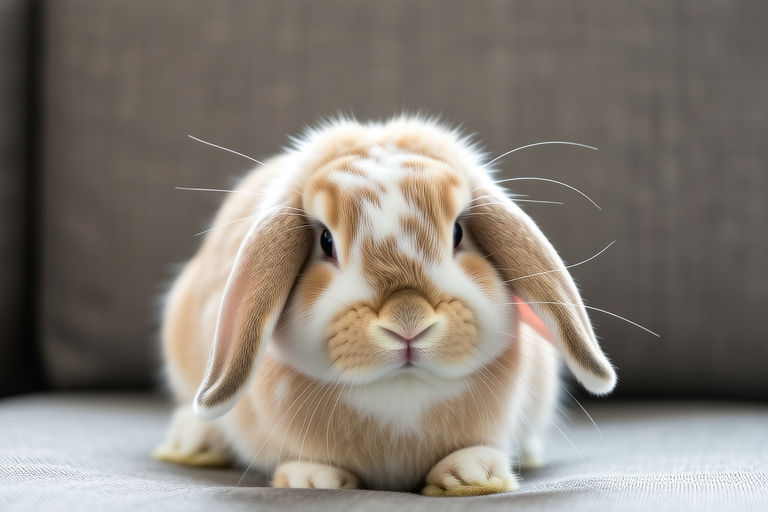
The Ultimate Guide to Caring for Your Lovable Lop Rabbit
Welcome to your comprehensive guide on how to care for your lovable lop rabbit! This article will cover everything from basic care to advanced topics like training and health issues. Whether you’re a first-time owner or an experienced bunny parent, this guide will help ensure your lop rabbit lives a happy, healthy life.
Basic Care
Lop rabbits, known for their floppy ears, are delightful pets that require specific care to thrive. First and foremost, provide a safe environment free from drafts and direct sunlight. Keep the temperature comfortable, ideally between 60-70°F (15-21°C). Regularly check for signs of discomfort, such as hunched posture or reluctance to move.
Adequate bedding is crucial; choose soft, absorbent materials like shredded paper or hay. Avoid cedar and pine shavings, which can be harmful due to their aromatic oils. Change bedding frequently to prevent odors and bacterial growth.
Ensure your lop has a clean water bottle or bowl. Clean and refill it daily to maintain hygiene and freshness. Rabbits are sensitive to changes in water quality, so opt for filtered or bottled water if your tap water contains high levels of minerals.
Diet
A balanced diet is key to your lop’s well-being. Offer unlimited timothy hay or another grass hay, which aids digestion and prevents obesity. Supplement with fresh vegetables rich in vitamins and minerals, but introduce them gradually to avoid digestive upset. Avoid feeding too many fruits, as they are high in sugar.
Commercial rabbit pellets should be provided in limited quantities, as they are calorie-dense. Opt for pellets specifically formulated for adult rabbits to meet their nutritional needs without excessive calories. Always consult with a veterinarian about dietary specifics tailored to your rabbit’s age, weight, and activity level.
Water is essential for hydration. Ensure constant access to clean water, either through a sipper bottle or a heavy ceramic dish that won’t tip over easily.
Housing
Your lop rabbit deserves a spacious, secure home. A minimum size of 4 square feet per rabbit is recommended, but larger enclosures allow more freedom and reduce stress. Place the cage in a quiet area away from drafts, direct sunlight, and extreme temperatures.
Provide ample hiding spots, such as tunnels or boxes, to mimic natural burrows and offer comfort. Include toys and chew items to keep your rabbit mentally stimulated and prevent boredom-related behaviors like chewing on cage bars.
Regular cleaning is vital to maintaining a hygienic living space. Remove soiled bedding and uneaten food daily, and thoroughly clean the entire enclosure weekly with pet-safe disinfectants.
Exercise Needs
Rabbits need regular exercise to stay healthy and active. Allow supervised time outside the cage each day, ensuring a safe, enclosed area free from hazards. Introduce tunnels, ramps, and platforms to encourage exploration and physical activity.
Monitor your rabbit’s behavior during playtime. Signs of distress, such as flattened ears or rapid breathing, indicate it’s time to return to the cage. Gradually increase playtime duration as your rabbit becomes more comfortable in its surroundings.
Outdoor play can be rewarding, but always supervise and ensure the area is secure against predators and environmental dangers.
Grooming Tips
Grooming is essential for your lop rabbit’s health and appearance. Brush your rabbit regularly, especially during shedding seasons, to remove loose fur and prevent hairballs. Use a soft-bristled brush or grooming mitt to gently stroke your rabbit’s coat.
Trim nails when necessary to prevent overgrowth and potential injuries. Hold your rabbit securely, support its body, and use sharp, small clippers designed for pets. Trim only the tip of the nail to avoid cutting into the quick, which can cause bleeding and pain.
Bathe your rabbit only when absolutely necessary, as frequent bathing can strip natural oils from its skin. If bathing is required, use a gentle, unscented shampoo and warm water, and dry your rabbit thoroughly afterward.
Health Issues Common to Lop Rabbits
Lop rabbits, like all breeds, are prone to certain health issues. Dental problems are common, often resulting from poor diet or genetics. Provide plenty of hay to wear down teeth naturally and schedule regular veterinary check-ups to monitor dental health.
Musculoskeletal disorders can occur due to genetic factors or lack of exercise. Encourage movement and provide a supportive environment. Spinal injuries are also a concern; handle your rabbit gently to avoid strain.
Ear infections are prevalent in lop rabbits due to their long, drooping ears. Maintain clean ears and consult a vet at the first sign of redness, discharge, or scratching. Other common issues include gastrointestinal stasis and respiratory infections, both of which require immediate veterinary attention.
Advice on Bonding and Training
Bonding with your lop rabbit builds trust and strengthens your relationship. Spend quality time together daily, offering treats and gentle handling. Rabbits respond positively to positive reinforcement, making training easier.
Training can involve teaching simple commands or tricks. Start with basic commands like ‘come’ or ‘sit’ using clicker training techniques. Reward desired behaviors with praise and small, healthy treats. Consistency and patience are key to successful training.
Introducing a second rabbit requires careful planning. Choose a compatible companion and supervise initial interactions closely. Gradually increase supervised playtime until they establish a bond. Always prioritize the safety and well-being of both rabbits.
Conclusion
Caring for a lop rabbit is a rewarding experience filled with love and companionship. By following these guidelines, you’ll provide your furry friend with the best possible care. Remember, every rabbit is unique, so observe your pet closely and adjust care as needed. With proper attention and affection, your lop rabbit will lead a happy, healthy life.
