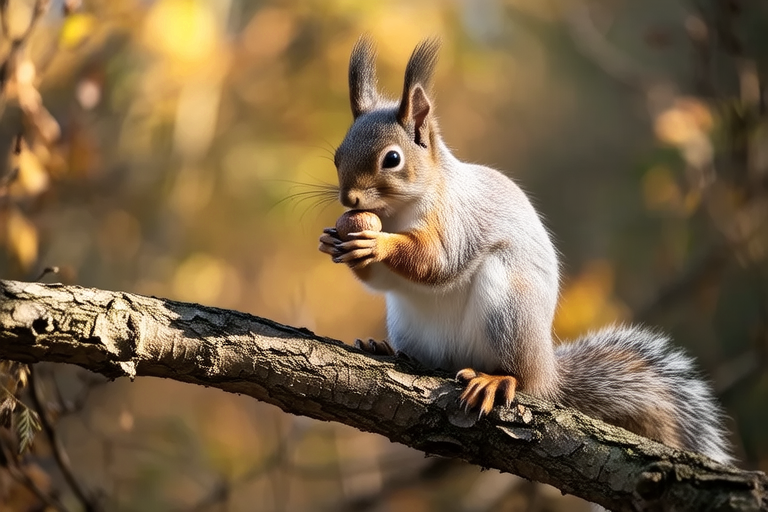
The Dual Perception of Squirrels: Adorable or Annoying?
Throughout history, squirrels have been a source of fascination and controversy. While some people find them irresistibly cute, others view them as pests that disrupt daily life. This duality stems from their unique habits, behaviors, and interactions within urban and natural environments. By exploring their foraging techniques, caching practices, seasonal activities, social structures, and impact on ecosystems, we can better understand why squirrels elicit such varied reactions.
Foraging Techniques and Caching Practices
Squirrels are adept foragers, capable of finding food in various environments. Their primary diet consists of nuts, seeds, fruits, and fungi, which they locate using keen senses of smell and sight. One of their most remarkable abilities is caching, where they bury surplus food for later consumption. This behavior ensures survival during lean times and showcases their problem-solving skills.
Urban squirrels face different challenges than their rural counterparts. In cities, they often rely on human-provided food sources, such as bird feeders or discarded snacks. However, this adaptation can lead to conflicts with humans when squirrels become too bold or persistent in seeking handouts. Wildlife experts recommend providing appropriate feeding stations to minimize disturbances while supporting local wildlife.
Seasonal Activities and Social Structures
Squirrels exhibit distinct seasonal behaviors, adapting to changing environmental conditions. During winter, they may enter torpor – a state of reduced metabolic activity – to conserve energy. Spring and summer bring mating seasons, nest-building efforts, and increased territorial disputes. Autumn is marked by intense caching activities as squirrels prepare for colder months.
Despite popular belief, squirrels are not highly social animals. They establish territories based on available resources and defend these areas against intruders. Males typically mate with multiple females, while females raise young alone. Young squirrels learn essential survival skills from their mothers before becoming independent at around ten weeks old.
Impact on Ecosystems and Adaptability
Squirrels play crucial roles in maintaining healthy ecosystems. By dispersing seeds through caching, they contribute to forest regeneration and biodiversity. However, their activities can also have negative consequences, such as damaging crops or competing with native species for limited resources.
Scientific studies reveal that squirrels possess impressive cognitive abilities, including memory retention and spatial awareness. These traits enable them to navigate complex environments and solve problems efficiently. For instance, researchers observed red squirrels in Canada using tools like sticks to extract insects from tree bark, demonstrating tool use similar to primates.
Cultural Perceptions of Squirrels
Different cultures hold varying views on squirrels, influenced by local traditions, folklore, and personal experiences. In North America, squirrels are often associated with parks and recreational areas, symbolizing freedom and playfulness. Conversely, in parts of Europe, they might be seen as nuisances due to their tendency to raid gardens or damage property.
Wildlife enthusiasts share stories about encountering particularly intelligent or charismatic squirrels. One anecdote involves a gray squirrel named “Charlie” who regularly visited a backyard feeder in England. Charlie’s friendly demeanor earned him many admirers among neighbors, transforming public opinion regarding urban wildlife.
Challenges Posed by Squirrels
While charming, squirrels can present significant challenges for homeowners and farmers alike. In urban settings, they may chew electrical wires, gnaw on buildings, or cause structural damage while searching for nesting sites. Farmers struggle with crop losses caused by foraging squirrels, leading to economic hardships.
To mitigate these issues, it’s essential to implement humane deterrent methods rather than resorting to lethal measures. Techniques include installing barriers, using motion-activated sprinklers, or employing natural repellents. Education campaigns aimed at fostering coexistence between humans and squirrels can help reduce conflicts and promote mutual respect.
Conclusion
The dual perception of squirrels as either adorable or annoying reflects our complex relationship with wildlife. By understanding their peculiar habits, behaviors, and ecological importance, we can appreciate squirrels’ role in maintaining balanced ecosystems while addressing potential conflicts. Encouraging empathy towards these fascinating creatures fosters greater harmony between humans and nature, ensuring a sustainable future for all.
