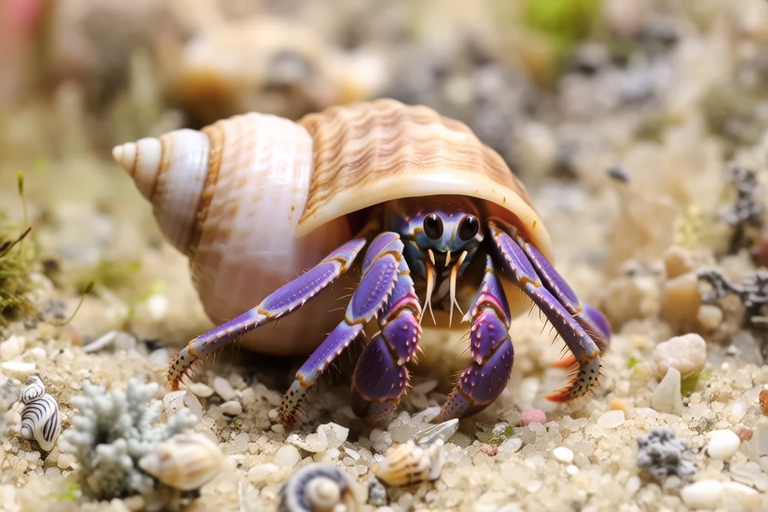
Hermit Crab Care Made Easy: Tips from a Pro to Ensure Your Pet Thrives
Welcome to your ultimate guide to hermit crab care! These fascinating creatures can make delightful pets with the right knowledge and care. In this comprehensive article, we’ll cover everything you need to know to ensure your hermit crabs thrive in their new home. From habitat setup to diet specifics, common health issues, and enrichment activities, we’ve got you covered.
Setting Up the Perfect Habitat
The first step in providing excellent care for your hermit crab is creating a suitable habitat. Hermit crabs are tropical animals that require specific environmental conditions to stay healthy and happy. A glass or plastic tank with a secure lid is ideal, as it allows for proper ventilation while keeping your crabs safe.
Start by adding at least three inches of substrate, such as crushed coral or coconut fiber, which provides a natural environment for your crabs to burrow and hide. Be sure to maintain a depth that accommodates your largest crab comfortably. Include a shallow water dish filled with dechlorinated water for drinking and soaking, and another dish with saltwater for molting.
Hermit crabs also need a variety of shells to choose from, as they periodically outgrow their current shell and need a new one. Offer shells of different sizes, shapes, and textures to ensure your crabs have options that suit their needs. Additionally, include plenty of hiding spots, such as cork bark or driftwood, to provide security and stimulation.
Temperature and Humidity Requirements
Maintaining the correct temperature and humidity levels is crucial for your hermit crabs’ health. The ideal temperature range for hermit crabs is between 75°F and 85°F (24°C to 29°C). Use a thermometer to monitor the temperature within the enclosure and adjust as needed using a heat mat or under-tank heater.
Humidity should be kept between 70% and 80%. To achieve this, mist the enclosure daily with distilled or dechlorinated water and place a humidity gauge inside the tank. You can also add a hygrometer to monitor humidity levels more accurately. Avoid over-misting, as excessive moisture can lead to mold growth and respiratory issues.
A common myth is that hermit crabs need to be kept in a humid environment all the time. While they do require high humidity, it’s important to allow some dry areas within the enclosure. This mimics their natural habitat and helps prevent issues like respiratory infections.
Diet Specifics: What Do Hermit Crabs Eat?
Your hermit crabs’ diet should consist of a balanced mix of proteins, fruits, vegetables, and calcium supplements. Commercial hermit crab food, available at pet stores, provides a good base. However, it’s essential to supplement their diet with fresh foods to ensure they receive all necessary nutrients.
Offer a variety of fresh fruits and vegetables, such as apples, bananas, carrots, and leafy greens, in small amounts. Remove any uneaten food after a few hours to prevent spoilage. Hermit crabs also enjoy protein sources like cooked chicken, shrimp, or fish. Feed these items sparingly, as too much protein can cause digestive problems.
In addition to their regular diet, hermit crabs need calcium to support healthy exoskeleton growth. Provide calcium supplements in the form of cuttlebone or crushed eggshells. Crushed oyster shells are another excellent source of calcium and trace minerals.
It’s important to note that hermit crabs should never be fed avocado, chocolate, or citrus fruits, as these can be toxic to them. Also, avoid feeding them processed human foods, as they may contain harmful additives.
Common Health Issues and How to Prevent Them
Like any pet, hermit crabs can face various health issues if not cared for properly. One of the most common problems is shell disease, characterized by soft or discolored shells. This condition can result from poor diet, lack of calcium, or unsuitable living conditions.
To prevent shell disease, ensure your hermit crabs have access to calcium-rich foods and supplements. Regularly inspect their shells for signs of damage or discoloration, and replace any damaged shells immediately. If you notice shell disease, consult a veterinarian specializing in exotic pets for treatment options.
Respiratory infections are another frequent issue, often caused by low humidity or mold growth in the enclosure. To prevent these infections, maintain optimal humidity levels and clean the enclosure regularly. Signs of respiratory infection include labored breathing, lethargy, and loss of appetite. If you suspect your hermit crab has a respiratory infection, seek veterinary care promptly.
Another potential health concern is molting complications. During the molting process, hermit crabs shed their exoskeleton and grow a new one. It’s essential to provide a shallow dish of saltwater for them to soak in during this time. Molting typically lasts several weeks, and it’s crucial not to disturb your crab during this period.
Enrichment Activities for Your Hermit Crabs
Providing enrichment activities is vital for your hermit crabs’ mental and physical well-being. Hermit crabs are curious and active creatures that benefit from opportunities to explore and interact with their environment.
Introduce toys and puzzles designed specifically for hermit crabs, such as tunnels or bridges, to encourage exploration and play. Rotate these items periodically to keep your crabs engaged and stimulated. Additionally, offer different types of substrate, such as sand or wood chips, to enhance their burrowing experience.
Creating a stimulating environment also involves providing a variety of shells for your crabs to try on. Offer shells of different sizes, shapes, and textures to ensure they have options that suit their needs. Watching your hermit crabs change shells can be an entertaining and educational experience for both you and your crabs.
Interactive feeding is another way to enrich your hermit crabs’ lives. Instead of simply placing food in their enclosure, hide treats around the tank for them to find. This encourages natural foraging behaviors and keeps them mentally sharp.
Myths About Hermit Crab Care Debunked
There are many misconceptions surrounding hermit crab care. One popular myth is that hermit crabs don’t require much attention or care. While hermit crabs are relatively low-maintenance pets, they still need proper housing, diet, and enrichment to thrive.
Another common misconception is that hermit crabs can live in isolation. In reality, hermit crabs are social creatures that benefit from interacting with others of their kind. Keeping multiple hermit crabs together can help reduce stress and promote overall well-being.
Some people believe that hermit crabs can survive without saltwater. While hermit crabs can drink freshwater, they also need access to saltwater for proper hydration and molting. Providing both types of water is essential for maintaining their health.
Conclusion
Caring for hermit crabs can be a rewarding and enjoyable experience when done correctly. By setting up the perfect habitat, maintaining the appropriate temperature and humidity levels, offering a balanced diet, addressing common health issues, and providing enrichment activities, you can ensure your hermit crabs thrive in their new home.
Remember, mimicking the natural environment as closely as possible is key to your hermit crabs’ well-being. With the right knowledge and care, your hermit crabs will lead happy, healthy lives for many years to come.
