The Rise of Clownfish Popularity: An Exploration Post-Finding Nemo
Since its release in 2003, Disney Pixar’s Finding Nemo has captivated audiences worldwide with its heartwarming story of a father searching for his son across the vast ocean. One of the most iconic characters in the film is Marlin, a clownfish. The movie’s success has significantly increased public awareness and interest in these vibrant marine creatures. This article explores the phenomenon of clownfish popularity through the lens of Finding Nemo, examining the scientific facts about clownfish, their relationship with sea anemones, and their natural habitat. It also analyzes the surge in clownfish ownership post-film and the subsequent challenges this popularity brought, including environmental impacts and ethical considerations in the pet trade. Additionally, it highlights conservation efforts inspired by the increased attention on clownfish and their ecosystem.
The Scientific Facts About Clownfish
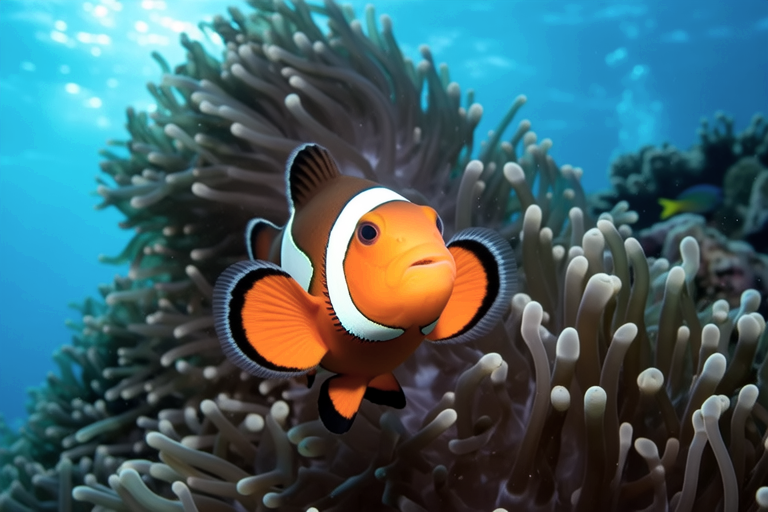
Clownfish, scientifically known as Amphiprioninae, are small, brightly colored fish that live in coral reefs around the world. They are popular for their distinctive patterns and vibrant colors, which range from orange and white to red and black. These fish have several adaptations that make them well-suited to their environment. One of the most notable is their ability to survive in the presence of sea anemones, which are cnidarians that typically sting other fish. Clownfish produce a layer of mucus that protects them from the anemone’s stinging cells, allowing them to live among the tentacles and find shelter.
The Relationship Between Clownfish and Sea Anemones
Clownfish have a symbiotic relationship with sea anemones, which is mutually beneficial. The anemone provides protection for the clownfish, while the clownfish helps to attract prey for the anemone and keeps its surroundings clean by eating algae and parasites. This partnership is one of the most fascinating examples of symbiosis in nature. In return for the anemone’s protection, clownfish will often swim around the anemone’s tentacles, fanning them to increase water circulation and bring more food to the anemone. This behavior also helps to keep the anemone healthy, as it promotes gas exchange and removes waste products.
Natural Habitat and Distribution
Clownfish are found in tropical and subtropical waters around the world, particularly in the Indo-Pacific region, which includes areas such as the Great Barrier Reef, the Red Sea, and the Maldives. They prefer shallow waters near coral reefs, where they can find both food and shelter. Clownfish are generally found in groups, with a dominant female and male pair and several smaller, less aggressive males. The dominant female is the largest fish in the group, and she is responsible for laying eggs. The male takes care of the eggs until they hatch, protecting them from predators and ensuring that they are properly oxygenated.
The Surge in Clownfish Ownership Post-Finding Nemo
Following the release of Finding Nemo, there was a significant increase in demand for clownfish as pets. Many people were drawn to these fish due to their striking appearance and the emotional connection they felt after watching the movie. However, this sudden surge in popularity led to several challenges, including environmental impacts and ethical concerns in the pet trade. Overfishing and poor aquarium practices contributed to declines in wild populations and damage to coral reef ecosystems.
Environmental Impacts and Ethical Considerations
The increased demand for clownfish as pets has had several negative environmental impacts. Overfishing has depleted wild populations, leading to a decline in biodiversity and disruption of marine ecosystems. In addition, the capture and transport of clownfish can be stressful for the animals, increasing their risk of illness and death. Poor aquarium practices, such as inadequate filtration systems and inappropriate tank sizes, can further contribute to stress and disease. Ethical concerns have also been raised regarding the treatment of clownfish in captivity, particularly in terms of breeding and living conditions.
Conservation Efforts Inspired by Increased Attention
The increased attention on clownfish and their ecosystem has also inspired conservation efforts aimed at protecting these fish and their habitats. Organizations such as the Marine Aquarium Council and the Coral Reef Alliance have developed guidelines for sustainable aquarium practices, including responsible sourcing of fish and proper care of aquariums. In addition, some countries have implemented regulations to limit the number of clownfish that can be caught and traded, and to ensure that fishing practices are sustainable. These efforts are crucial for preserving the health and diversity of marine ecosystems and ensuring that future generations can enjoy the beauty and wonder of clownfish and their habitats.
Expert Opinions and Real Stories
Dr. Elizabeth Madin, a marine biologist at the University of Hawaii, emphasizes the importance of understanding the complex relationships between clownfish and their environments. She notes that while Finding Nemo has helped raise awareness about these fish, it is essential to promote responsible aquarium practices and support conservation efforts. “The movie has done a great job of highlighting the beauty and complexity of marine life,” she says. “However, we need to be careful not to over-simplify these relationships or romanticize the idea of keeping marine animals as pets.”
One real story that illustrates the broader cultural and ecological significance of clownfish comes from the Great Barrier Reef Marine Park Authority. In 2004, shortly after the release of Finding Nemo, the authority launched a campaign called “Where’s Nemo?” to educate visitors about the importance of protecting clownfish and their habitats. The campaign featured interactive exhibits and educational programs that helped visitors learn about the threats facing marine ecosystems and ways to support conservation efforts. Since then, the authority has continued to promote sustainable tourism practices and support research on clownfish and their habitats.
Conclusion
The popularity of clownfish has grown significantly since the release of Finding Nemo, but this increased attention has also brought challenges and opportunities. While the movie has helped raise awareness about these fascinating fish and their ecosystems, it is important to promote responsible aquarium practices and support conservation efforts. By doing so, we can help ensure that future generations can continue to enjoy the beauty and wonder of clownfish and their habitats.
