The Fascinating History and Characteristics of Siberian Huskies
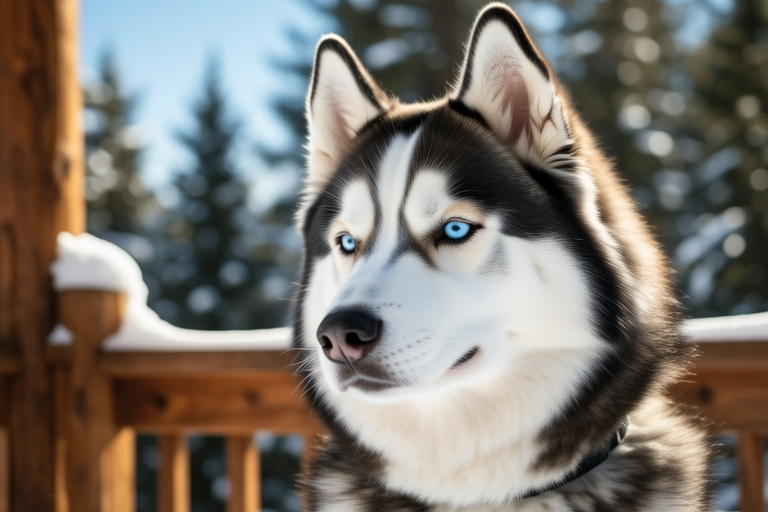
Siberian Huskies: These striking dogs have captured the hearts of many with their striking blue eyes, thick coats, and energetic personalities. Originating from the harsh Arctic regions of Siberia, these dogs have been integral to human life for centuries, providing transportation, companionship, and protection.
The Origins and History of Siberian Huskies
The Siberian Husky is believed to have descended from the Chukchi people of northeastern Asia. The Chukchi people bred these dogs for their endurance, strength, and speed, using them to pull sleds across vast distances in some of the harshest climates on Earth. They were prized for their ability to travel long distances without tiring, making them ideal for hunting expeditions and daily tasks.
In the early 20th century, Siberian Huskies were introduced to North America by fur traders and explorers. One of the most famous events involving these dogs was the 1925 serum run to Nome, Alaska. During a diphtheria outbreak, a team of Siberian Huskies led by Balto delivered life-saving medicine to the isolated town. This event brought international attention to the breed and cemented their reputation as loyal and reliable working dogs.
Since then, Siberian Huskies have become popular pets around the world. Their adaptability, intelligence, and affectionate nature have made them beloved family members. However, it’s important to note that these dogs were originally bred for work, and they still retain many of the traits that made them successful sled dogs.
Physical Characteristics
Siberian Huskies are medium-sized dogs with a thick, double coat that provides excellent insulation against cold temperatures. Their eyes can be brown, blue, or heterochromatic (two different colors). Their ears are triangular and stand erect, giving them an alert appearance. Their tails are bushy and curl over their backs when they’re excited or cold.
One of the most distinctive features of Siberian Huskies is their wolf-like appearance. They have a strong, muscular build and a regal bearing that commands respect. Despite their imposing presence, they are generally gentle and affectionate with their families.
Temperament and Behavior
Siberian Huskies are known for their friendly and outgoing personalities. They are social animals that thrive on interaction with humans and other dogs. They are often described as “cat-like” due to their independent streak and tendency to groom themselves. However, they can also be stubborn and willful, which can make training challenging at times.
These dogs have a strong prey drive, so they may not be suitable for households with small pets. They are also prone to wandering off if given the opportunity, so it’s essential to keep them on a leash or in a securely fenced area. Despite their independent nature, Siberian Huskies are fiercely loyal to their families and will protect them if necessary.
Care Requirements
Due to their thick coats, Siberian Huskies require regular grooming to prevent matting and skin problems. They shed heavily twice a year, during which time they may need daily brushing. Bathing should be done sparingly, as frequent washing can strip their coat of its natural oils.
Siberian Huskies are highly active dogs that require plenty of exercise to stay healthy and happy. A daily walk or jog is essential, but they also enjoy playing fetch or participating in dog sports such as agility or obedience trials. Without sufficient exercise, they may become destructive or overly vocal.
Health Issues
Like all breeds, Siberian Huskies are prone to certain health issues. Some of the most common conditions include hip dysplasia, progressive retinal atrophy, and cataracts. Regular veterinary check-ups and proper nutrition can help prevent or manage these conditions.
It’s also important to note that Siberian Huskies are sensitive to heat, so they should never be left outside in hot weather. Providing them with shade, fresh water, and cool environments is crucial for their well-being.
Tips for Potential Owners
If you’re considering adopting a Siberian Husky, there are several things to keep in mind. First, it’s essential to ensure that you have enough time and space to meet their exercise needs. Second, be prepared for regular grooming and shedding. Finally, consider enrolling your dog in obedience training to help manage their independent nature.
Many people are drawn to Siberian Huskies because of their striking appearance, but it’s important to remember that they are working dogs at heart. They require mental stimulation and physical activity to thrive, and they are happiest when they have a job to do.
Anecdotes and Personal Stories
I once knew a Siberian Husky named Luna who was adopted by a family in their late twenties. Luna had been rescued from a shelter and was initially shy and wary of new people. However, with time and patience, she blossomed into a loving and playful companion. Her owner, Sarah, told me that Luna’s favorite pastime was chasing after squirrels in the backyard. Despite her independent nature, Luna always returned to her family when called, demonstrating her deep bond with them.
Another story comes from a friend who participated in sled racing with her Siberian Husky, Max. She explained that Max loved the thrill of the race and would run with such enthusiasm that it was hard to believe he was pulling a heavy sled. After the race, Max would collapse in exhaustion, but he always bounced back the next day, ready for another challenge.
Adaptability and Modern Living
Siberian Huskies are incredibly adaptable dogs that can thrive in a variety of environments. While they were originally bred for life in the Arctic, they have proven to be just as capable in suburban homes and city apartments. As long as their exercise and mental stimulation needs are met, they can adjust to almost any living situation.
One of the most endearing qualities of Siberian Huskies is their friendly nature. They are generally good with children and other pets, though it’s important to supervise interactions, especially with smaller animals. Their energetic spirit makes them great playmates for active families, and their affectionate demeanor ensures that they are always a welcome addition to any household.
In conclusion, Siberian Huskies are truly remarkable dogs with a rich history and unique set of characteristics. From their origins as working sled dogs to their current status as beloved family pets, they have proven to be versatile and adaptable animals. With proper care and attention, they can provide years of joy and companionship to their owners.
