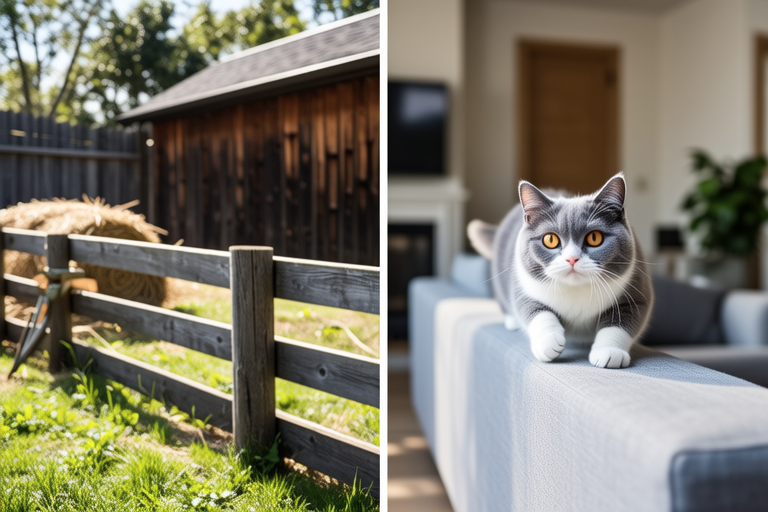
From Farmyards to Couches: The Journey of the American Shorthair
The American Shorthair is a breed with a rich history that spans centuries, evolving from practical farmyard companions to cherished household pets. This journey reflects the changing relationship between humans and their feline friends, offering a fascinating insight into the adaptability of this breed.
Origins and Initial Roles
The American Shorthair can trace its roots back to the early settlers of North America. These sturdy, robust cats were brought over by European immigrants, primarily to control rodent populations in farmyards. Their strong build and resilient nature made them ideal for this task. They were not just passive mousers but also adept hunters, capable of dealing with larger prey like rabbits and squirrels.
Physical traits such as their dense, short coat and muscular bodies provided protection against harsh weather conditions and the rigors of outdoor life. Their keen senses and agile movements further enhanced their effectiveness as working cats. Additionally, their even temperaments allowed them to coexist peacefully with other animals and humans, making them valuable assets to any farm.
Evolution to Urban Pets
As society shifted from agrarian to more urbanized living, the role of the American Shorthair changed dramatically. The breed transitioned from being essential workers to beloved family members. This shift was gradual, beginning in the early 20th century when urbanization increased the need for indoor companionship.
Selective breeding played a significant role in adapting the American Shorthair to urban living. Breeders focused on enhancing desirable traits such as a calm demeanor, sociability, and adaptability to different environments. Over time, these efforts resulted in a cat that is not only attractive but also well-suited to modern lifestyles. The breed’s intelligence and curiosity make them excellent companions for interactive play and training.
Physical Traits and Temperament Changes
The American Shorthair’s physical appearance has evolved somewhat since its farmyard days. While still robust, they now exhibit a sleeker, more refined look with a broad chest and strong legs. Their coat remains short and dense, though it comes in a variety of colors and patterns, adding to their aesthetic appeal.
Temperament-wise, the breed has become notably more affectionate and less independent. They are known for their gentle and patient nature, making them particularly good with children and other pets. Their intelligence means they enjoy mental stimulation, and they respond well to positive reinforcement training. This change in temperament underscores the success of selective breeding in aligning the breed’s character with human preferences.
Health Concerns and Care Tips
Despite their robustness, American Shorthairs are not immune to certain health issues. Common concerns include hypertrophic cardiomyopathy (HCM), a heart condition that can lead to sudden death if left untreated. Regular veterinary check-ups are crucial for early detection and management of such conditions.
Proper nutrition and regular exercise are key to maintaining their health. A balanced diet rich in protein and essential nutrients supports muscle development and overall vitality. Interactive toys and play sessions help keep them mentally and physically active, preventing obesity and related health problems.
Grooming is relatively simple due to their short coats, but regular brushing helps remove loose hair and prevent matting. Bathing should be done sparingly, as excessive bathing can strip natural oils from their skin.
Current Status and Popularity
The American Shorthair continues to be a popular choice among cat enthusiasts. Their friendly disposition, combined with their moderate grooming needs, makes them appealing to a wide range of pet owners. They rank consistently high in various cat shows, testifying to their enduring popularity.
However, their increasing demand has also led to some challenges. Unscrupulous breeders may prioritize appearance over health, leading to potential genetic disorders. Prospective owners should therefore seek reputable breeders who adhere to ethical standards and prioritize the well-being of their cats.
Reflection on Enduring Appeal
The American Shorthair’s journey from farmyards to couches is a testament to their versatility and adaptability. Their ability to thrive in diverse environments and their enduring appeal as companions highlight the enduring bond between humans and cats.
In historical context, they served as indispensable helpers in agricultural communities, contributing significantly to food security. In contemporary times, they continue to offer comfort and joy to countless households. As we look to the future, it is clear that the American Shorthair will remain a cherished part of our lives, bridging past and present with grace and charm.
