Hermit Crabs Unveiled: Secrets of Their Unique Lives and Needs
Hermit crabs have captured the hearts of many pet enthusiasts with their quirky, fascinating lives. These small crustaceans have adapted a unique way of living, making them one of the most intriguing creatures in the animal kingdom. This article will explore the distinctive lifestyle of hermit crabs, focusing on their natural habitat, dietary needs, social behaviors, and common health issues. By the end of this piece, you will have a comprehensive understanding of these delightful creatures, enabling you to provide the best care possible.
The Distinctive Lifestyle of Shell-Dwellers
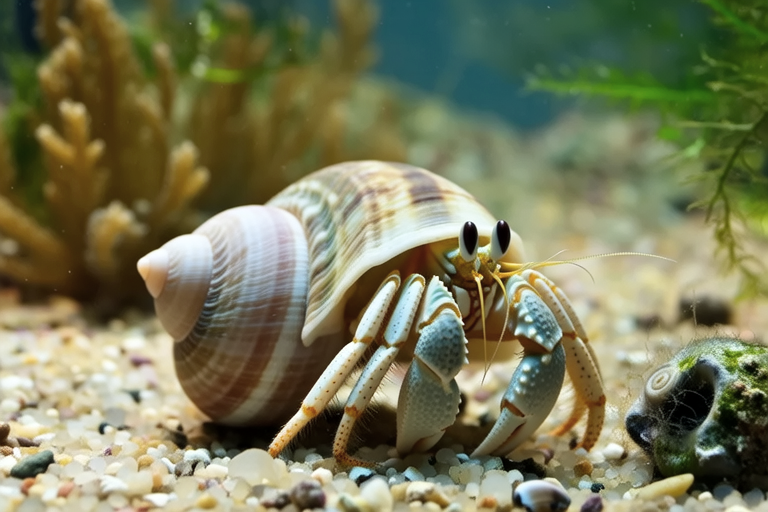
Hermit crabs are known for their peculiar habit of living inside discarded mollusk shells. This adaptation allows them to protect their soft, vulnerable abdomens from predators. As they grow, hermit crabs must find larger shells to accommodate their increasing size, leading to a continuous search for the perfect home. This shell-changing behavior is a crucial aspect of their life cycle, influencing their behavior and interactions with other hermit crabs.
Natural Habitat and Its Influence on Behavior
Native to tropical and subtropical regions, hermit crabs thrive in environments characterized by high humidity and temperatures. They are commonly found along coastlines, beaches, and mangrove forests. In the wild, hermit crabs are nocturnal, emerging at night to feed and interact with others. Their natural habitat plays a significant role in shaping their behavior, particularly their sensitivity to environmental conditions. Maintaining a similar environment in captivity is essential for their well-being.
The Importance of Shell Changing
Shell changing is vital for hermit crabs as it ensures their protection and comfort. Without adequate housing, they become vulnerable to injury or predation. Providing a variety of shells of different sizes and shapes is crucial for a thriving hermit crab community. It’s important to sterilize and clean shells before offering them to your pets. You can do this by boiling them for several minutes and then allowing them to cool completely. Additionally, consider adding shells with different textures to stimulate exploration and promote natural behaviors.
Dietary Needs: A Balanced Approach
Hermit crabs are omnivorous, meaning they consume both plant and animal matter. In the wild, they feed on decaying vegetation, algae, and small marine organisms. As pets, hermit crabs benefit from a diverse diet that mimics their natural food sources. Suitable options include fresh fruits and vegetables, commercial hermit crab food, and occasional treats like boiled eggs, shrimp, and fish. Avoid feeding them processed human foods, as they may contain harmful additives. Ensuring a balanced diet is key to maintaining their health and vitality.
Social Interactions and Communication
Contrary to popular belief, hermit crabs are social creatures that enjoy interacting with others. They communicate through a series of chirps, clicks, and body movements. In captivity, providing ample space and opportunities for socialization is essential. Hermit crabs should be housed in groups, allowing them to form bonds and engage in natural behaviors. However, overcrowding should be avoided to prevent stress and competition for resources. Observing their interactions can provide insight into their social dynamics and overall well-being.
Common Health Issues and Maintenance
Like any pet, hermit crabs are susceptible to various health issues. Common problems include dehydration, respiratory infections, and shell rot. Regularly misting the enclosure and ensuring proper ventilation can help prevent these issues. Monitoring water quality and temperature is also crucial for maintaining a healthy environment. If you notice any signs of illness, such as lethargy, loss of appetite, or abnormal behavior, consult a veterinarian specializing in exotic animals. Early intervention can significantly improve their chances of recovery.
Responsible Ownership: Understanding and Meeting Their Needs
Owning hermit crabs comes with responsibilities. Before bringing them home, ensure you’re prepared to meet their unique needs. Research thoroughly about their care requirements, habitat setup, and potential challenges. Be patient and observant, adjusting their environment as necessary to promote their well-being. Remember, hermit crabs have a lifespan of several years, so commitment is essential. By understanding and meeting their needs, you’ll provide them with a happy, healthy life.
In conclusion, hermit crabs are fascinating creatures with distinct needs and behaviors. By learning about their natural habitat, dietary preferences, and social interactions, you can create an enriching environment that supports their growth and happiness. With proper care and attention, hermit crabs can make wonderful companions, offering endless entertainment and education. Embrace the challenge of responsible ownership and embark on a rewarding journey with these delightful crustaceans.
