From Asian Waters to Your Tank: The Complete Guide to Arowanas
Introduction to Arowanas, Their Natural Habitats in Asian Waters
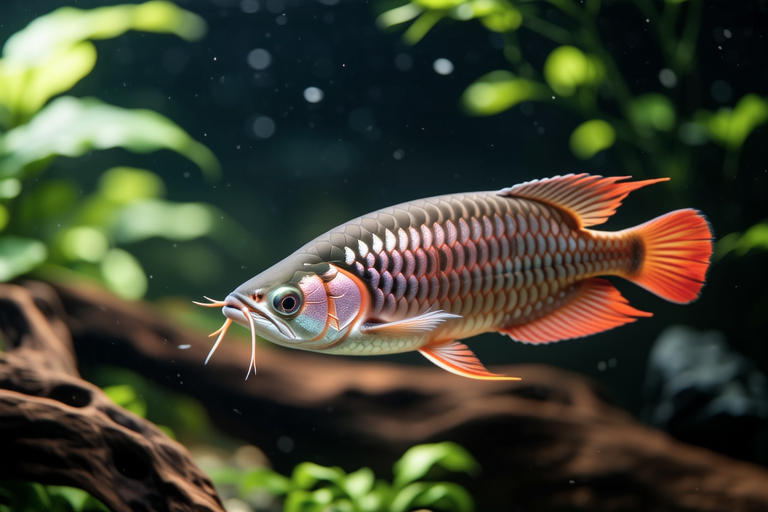
Arowanas, often referred to as “dragonfish,” are among the most captivating and majestic creatures in the aquatic world. Native to the freshwater rivers and lakes of Asia, these fish are known for their sleek bodies, long dorsal fins, and impressive jumping abilities. They are found in countries like Indonesia, Malaysia, Thailand, and parts of China. These habitats range from clear, slow-moving rivers to murky, densely vegetated swamps, where they thrive in environments rich with submerged vegetation and ample hiding spots.
Overview of Different Species and Their Distinguishing Features
Several species of arowanas exist, each with unique characteristics that set them apart. The most popular species include the Asian Arowana (Scleropages formosus), Silver Arowana (Osteoglossum bicirrhosum), and Black Arowana (Scleropages jardinii). The Asian Arowana is highly sought after for its vibrant colors and intricate patterns, while the Silver Arowana is recognized for its silvery scales and elongated body. The Black Arowana, as its name suggests, has a dark, almost black coloration and is particularly prized for its striking appearance.
Detailed Care Guide Including Tank Setup, Water Conditions, and Filtration Systems Suitable for Arowanas
Proper care is crucial for maintaining the health and longevity of your arowana. Start by setting up an appropriately sized tank; arowanas can grow quite large, so a minimum tank size of 240 gallons is recommended for an adult. Ensure the tank has a strong filter capable of handling high bio-load and maintaining clean water. Water parameters are equally important; aim for a pH between 6.5 and 7.5, a temperature range of 24-30°C, and low nitrate levels. Decorate the tank with sturdy plants, rocks, and driftwood to mimic their natural habitat.
Diet and Feeding Habits, Including Natural and Recommended Commercial Foods
Arowanas are carnivorous and require a diet rich in protein. In the wild, they feed on insects, small fish, crustaceans, and other aquatic life. As pets, you can provide them with a varied diet that includes live or frozen foods such as feeder fish, shrimp, and worms. Additionally, high-quality commercial pellets designed for large predatory fish can be used as a staple food. Ensure to vary their diet to meet all nutritional requirements and avoid overfeeding.
Health Issues Common to Arowanas and How to Prevent or Treat Them
Common health issues include fin rot, fungal infections, and parasites. Maintaining optimal water quality is key to preventing these problems. Regularly check the tank’s water parameters and perform partial water changes to keep it clean. If signs of illness appear, consult a veterinarian specializing in exotic fish for proper diagnosis and treatment. Quarantine new additions to the tank to prevent the spread of diseases.
Breeding Information if Applicable
Breeding arowanas can be challenging but rewarding. They are egg-laying fish, and males guard the eggs and fry. Breeding typically occurs in pairs or trios, with the female laying eggs that are then fertilized externally. Proper breeding tanks, with specific water conditions and ample space, are necessary for successful breeding. Monitor the behavior of the pair closely to ensure compatibility and readiness for spawning.
Tips for Choosing Healthy Arowana Specimens from Dealers or Breeders
When selecting arowanas, look for active fish with bright colors and intact fins. Avoid fish showing signs of lethargy, cloudiness in the eyes, or any physical deformities. Dealers should provide detailed information about the fish’s origin, age, and health history. Always ask for a health certificate and observe the fish in its environment before making a purchase.
Conservation Status and Efforts to Protect These Fish in the Wild
Arowanas are listed under various levels of protection due to overfishing and habitat destruction. Several conservation programs are in place to preserve these species. Captive breeding programs have been established to reduce pressure on wild populations and promote sustainable practices. It’s essential for pet owners to support these efforts by purchasing responsibly sourced fish and participating in conservation initiatives.
Conclusion Emphasizing the Responsibilities of Keeping Arowanas as Pets
Keeping arowanas as pets comes with significant responsibilities. Providing a suitable environment, proper nutrition, and regular care is crucial for their well-being. By understanding and adhering to best practices, you contribute to the overall health and preservation of these magnificent fish. Remember, owning arowanas is a long-term commitment that requires dedication and knowledge. Enjoy the beauty and grace of these dragonfish responsibly.
