Exploring Koi Fish: Behaviors, History, and Symbolism
Koi fish, scientifically known as Cyprinus carpio, have long been admired for their vibrant colors, graceful movements, and serene presence. These freshwater fish have captivated human fascination for centuries, making them a popular choice for ornamental ponds and water gardens around the world. This article delves into the intriguing behaviors, historical significance, and unique characteristics of koi fish, providing an engaging overview for both seasoned enthusiasts and newcomers.
Lifespan and Preferred Habitats
Koi fish can live up to 40 years with proper care, although the average lifespan is typically between 20 to 30 years. Their longevity makes them a cherished addition to many gardens, symbolizing enduring beauty and tranquility. Koi prefer environments that mimic their natural habitat, which includes clear, cool water with ample oxygen and a variety of aquatic plants for shelter and food. They thrive in ponds with gentle currents and plenty of hiding spots, such as rocks or artificial caves.
Dietary Habits and Community Interactions
As omnivorous creatures, koi fish have a diverse diet that includes algae, insects, worms, and small crustaceans. In captivity, they are often fed specialized pellets designed to provide balanced nutrition. Their feeding habits vary depending on the time of year and environmental conditions. During colder months, koi eat less frequently and may rely more on scavenging for food.
Koi are social animals that form loose hierarchies within their community. Dominant individuals often establish territories and may assert their dominance through aggressive displays, such as chasing or biting subordinate members. Despite this, koi generally coexist peacefully and can be observed swimming together in harmonious groups. They communicate through body language and subtle movements, creating a dynamic underwater society.
Symbolism Across Cultures
In Japan, koi fish hold significant cultural importance and are deeply intertwined with various traditions and beliefs. The most renowned legend involving koi is the story of the Dragon Gate, which tells of a brave koi who swam upstream against strong currents to reach the mythical Dragon Gate. Upon reaching its destination, the koi was transformed into a dragon, symbolizing perseverance and determination. This tale has inspired countless works of art, literature, and design, reflecting the Japanese admiration for resilience and ambition.
Beyond the Dragon Gate myth, koi are also associated with good fortune and prosperity. In traditional Japanese culture, the act of raising koi is believed to bring positive energy and blessings to one’s home. As a result, koi ponds have become a common feature in Japanese gardens, serving both aesthetic and symbolic purposes.
Color Variations and Patterns
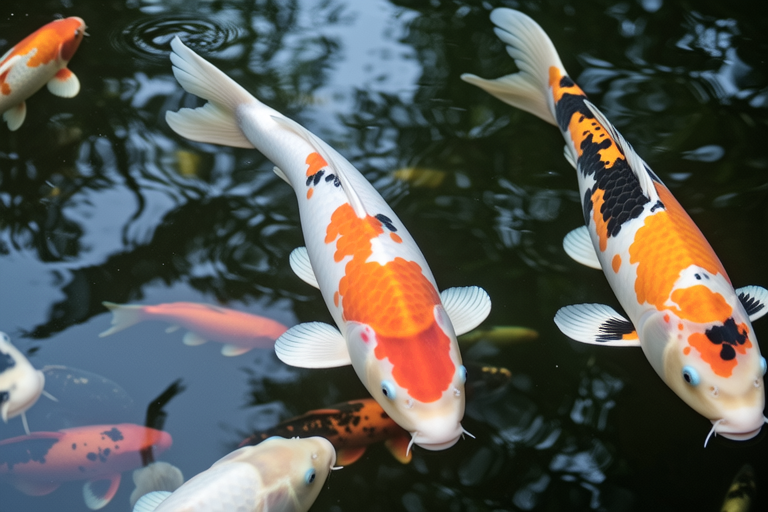
Koi fish exhibit a wide range of colors and patterns, each with its own unique appeal. Some of the most popular varieties include:
- Shibire Goshiki: Known for its striking five-color pattern (white, red, yellow, black, and blue), this variety is highly sought after for its elegance and rarity.
- Tancho: Featuring a distinctive red spot on its head, this variety resembles the Japanese national flag and is considered particularly auspicious.
- Hi Utsuri: Characterized by its black and red coloration, this variety is admired for its bold contrast and vibrant hues.
- Platinum Ogon: With its shimmering metallic scales, this variety offers a dazzling display of light and color.
Their diverse coloration and patterns contribute to the visual appeal of koi fish, making them a favorite among collectors and admirers alike.
Care Requirements
To ensure the health and well-being of koi fish, it is essential to provide optimal living conditions. Proper filtration systems, regular water changes, and appropriate feeding schedules are crucial for maintaining clean water and preventing disease. Additionally, monitoring water temperature and pH levels is vital, as fluctuations can stress the fish and lead to health issues.
Pest control measures should also be implemented to protect koi from parasites and harmful bacteria. Regular inspection of the pond environment helps identify potential threats early, allowing for timely intervention and treatment. By prioritizing these care requirements, koi enthusiasts can enjoy the company of these magnificent creatures for many years.
Famous Koi Varieties and Notable Records
Several koi varieties have gained recognition for their exceptional beauty and rarity. One such example is the Hikarimoyo, known for its iridescent scales and intricate patterns. Another notable variety is the Doitsu, which features a unique scaleless appearance and is highly prized for its distinct look.
Among the most famous koi records is the Yamato Nishiki, a stunning variety that combines elements of the Kohaku and Taisho Sanshoku breeds. This rare combination creates a breathtaking display of red and white patterns against a black background. Another remarkable achievement involves the largest koi ever recorded, measuring over 3 feet in length and weighing nearly 90 pounds. Such impressive specimens highlight the potential for growth and development in these remarkable fish.
Conclusion
Koi fish are truly remarkable creatures that offer much more than just visual appeal. Their fascinating behaviors, rich history, and symbolic significance make them a captivating subject for study and appreciation. Whether you’re a seasoned enthusiast or new to the world of koi, there is always something new to discover about these enchanting aquatic beauties.
