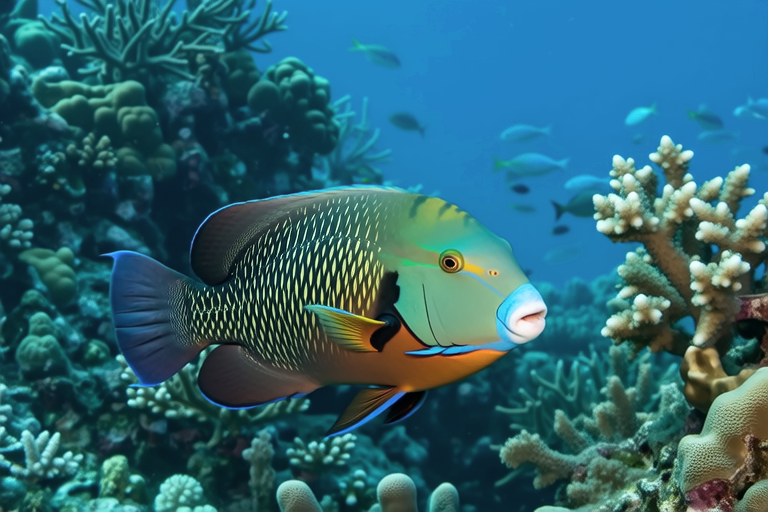
Parrot Fish: The Underwater Gardeners of the Sea
The ocean is a vast and diverse ecosystem, teeming with life in its many forms. Among the myriad species that call the sea home, parrot fish stand out as peculiar yet vital players in maintaining the health and biodiversity of coral reefs. These colorful, vibrant fish are often described as the ‘underwater gardeners’ of the sea due to their unique feeding habits and significant ecological role. This article delves into the fascinating world of parrot fish, exploring their physical characteristics, behaviors, and the critical role they play in sustaining coral reefs. Additionally, it examines the threats posed by human activities and the importance of conservation efforts.
The Unique Feeding Habits of Parrot Fish
Parrot fish possess a remarkable adaptation that sets them apart from other marine creatures: a set of strong, beak-like jaws designed for scraping algae off coral surfaces. This feeding behavior, known as bioerosion, involves the fish biting chunks of coral and grinding them down into sand within their digestive system. The result is a continuous cycle of breaking down old, dead coral material and converting it into fine sediment that contributes to the formation of beaches and islands. Scientists estimate that a single parrot fish can produce up to 90 kilograms of sand per year, highlighting their crucial role in maintaining the balance of coastal ecosystems.
In addition to their direct contribution to beach formation, the grazing activities of parrot fish also promote the growth of healthy coral reefs. By consuming algae, these fish prevent algal overgrowth, which can otherwise smother corals and hinder their ability to photosynthesize. This ensures that corals remain healthy and continue to provide habitat and food for countless other marine organisms. Moreover, the excrement of parrot fish contains essential nutrients that nourish the surrounding waters, further supporting the delicate balance of the reef ecosystem.
Physical Characteristics and Behaviors
Parrot fish come in a dazzling array of colors, from bright blues and greens to vibrant reds and oranges. Their bodies are typically elongated, with large mouths and beak-like teeth, giving them their distinctive appearance. Many species also have striking patterns and markings that serve as camouflage or as a means of communication during mating rituals. The largest parrot fish species can grow up to one meter in length, while smaller ones may only reach about 30 centimeters.
Beyond their striking appearance, parrot fish exhibit fascinating behaviors that enhance their role as reef caretakers. For instance, they often form large schools when feeding, which helps them cover more ground and increase their efficiency in removing algae. Some species even change color and sex throughout their lives, a phenomenon known as sequential hermaphroditism. This allows for greater reproductive flexibility within their populations, ensuring genetic diversity and resilience in the face of environmental challenges.
Another notable behavior is their tendency to create sleeping bags from mucus secretions. Each night, parrot fish release a thick layer of mucus around themselves before resting, which scientists believe serves as a protective barrier against predators and parasites. This nightly ritual underscores the complex and adaptive nature of these remarkable creatures.
The Impact of Human Activities on Parrot Fish Populations
Despite their vital role in maintaining coral reef health, parrot fish populations face numerous threats from human activities. Overfishing remains one of the most significant challenges, particularly in regions where fishing practices are poorly regulated. Many communities rely on parrot fish as a source of protein, leading to unsustainable harvesting levels that can deplete local populations. In some areas, the use of dynamite or cyanide for fishing further exacerbates the problem by damaging both the fish and their habitats.
Climate change also poses a serious threat to parrot fish and the coral reefs they inhabit. Rising sea temperatures can cause coral bleaching, a phenomenon where corals expel the symbiotic algae living in their tissues, turning white and often dying if conditions do not improve. As coral reefs deteriorate, the availability of suitable habitats for parrot fish decreases, leading to declines in their populations. Furthermore, increased acidity in seawater, resulting from higher concentrations of carbon dioxide, can weaken the structural integrity of coral skeletons, making them more susceptible to erosion by parrot fish and other grazers.
Human-induced pollution, including runoff from agricultural and urban areas, poses another challenge for parrot fish. Nutrient-rich pollutants can lead to excessive algal growth, which can overwhelm the fish’s ability to control it through grazing. This imbalance can further stress already vulnerable coral reefs and disrupt the delicate food webs that depend on them.
The Importance of Conservation Efforts
Given the critical role of parrot fish in maintaining coral reef health, it is essential to implement effective conservation strategies to protect these vital species and the ecosystems they support. One approach involves establishing marine protected areas (MPAs) where fishing and other extractive activities are restricted or prohibited. MPAs can help rebuild depleted parrot fish populations by providing safe havens where they can thrive without the pressure of overfishing. Research has shown that well-managed MPAs can lead to significant increases in fish biomass and biodiversity, including parrot fish.
Education and awareness campaigns aimed at reducing the demand for parrot fish and promoting sustainable fishing practices are also crucial. By informing consumers about the importance of these fish and encouraging responsible seafood choices, we can reduce the pressure on wild populations and support the growth of aquaculture initiatives that provide alternative sources of protein. Collaboration between governments, non-governmental organizations, and local communities is key to developing and implementing effective conservation policies that benefit both people and the environment.
Moreover, addressing the root causes of climate change and ocean acidification is essential for safeguarding parrot fish and their habitats. Reducing greenhouse gas emissions, transitioning to renewable energy sources, and adopting sustainable land-use practices can help mitigate the impacts of global warming on marine ecosystems. By taking action now, we can ensure the survival of parrot fish and the countless other species that depend on healthy coral reefs for their survival.
Conclusion
Parrot fish are truly the ‘underwater gardeners’ of the sea, playing a pivotal role in maintaining the health and biodiversity of coral reefs. Through their unique feeding habits, these colorful fish help prevent algal overgrowth, recycle nutrients, and contribute to the formation of beaches and islands. However, human activities such as overfishing, climate change, and pollution pose significant threats to their populations and the ecosystems they sustain. By implementing conservation strategies, raising awareness, and addressing the root causes of environmental degradation, we can protect parrot fish and the invaluable services they provide to our oceans. Let us work together to ensure the continued survival of these remarkable creatures and the vibrant underwater worlds they help to nurture.
