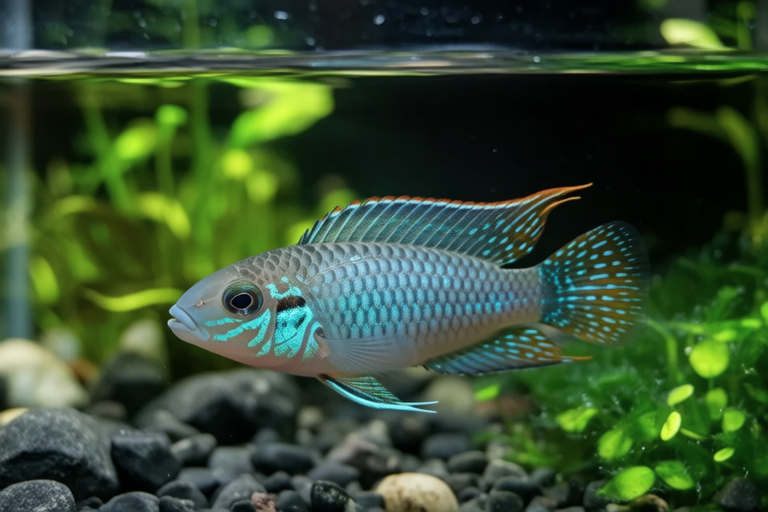
Rajah Cichlid: A Beginner’s Guide to Care and Feeding
Introduction:
The Rajah Cichlid (Vicariance cichlasoma) is a vibrant and striking fish native to Central America. Known for its robust body, bright colors, and aggressive nature, it is a popular choice among cichlid enthusiasts. Despite its reputation for being somewhat challenging, the Rajah Cichlid can thrive in a well-maintained aquarium if provided with the right conditions and care. This guide aims to provide beginners with all the necessary information to successfully keep Rajah Cichlids, from setting up the perfect tank to ensuring their diet is nutritious.
Ideal Tank Setup Requirements
Setting up a tank for Rajah Cichlids requires careful planning to ensure they have enough space and the appropriate environment. A minimum tank size of 75 gallons is recommended for a single adult Rajah Cichlid, but a larger tank is preferred for multiple fish or a breeding pair. The tank should be equipped with a strong filter capable of handling the bioload of these large and active fish.
Substrate is an important aspect of the tank setup. A fine-grain sand or small gravel substrate is ideal, as it mimics their natural habitat and provides a comfortable surface for them to dig. Decorations such as caves, driftwood, and rocks should be placed strategically to create hiding spots and territorial boundaries. It’s essential to avoid sharp-edged decorations that could injure the fish.
Water Parameters
Maintaining optimal water quality is crucial for the health of Rajah Cichlids. They prefer slightly alkaline water with a pH range of 7.0 to 8.0. The hardness should be between 10 and 20 dGH, and the temperature should be kept between 75°F and 82°F (24°C to 28°C). Regular water changes of about 20% weekly are necessary to keep the water clean and free from harmful substances.
Adequate oxygenation is also vital. Use an air pump and airstone to maintain a steady flow of oxygen throughout the tank. Test kits should be used regularly to monitor the water parameters and make adjustments as needed.
Recommended Filtration Systems
Due to the high waste production of Rajah Cichlids, a powerful filtration system is necessary. Canister filters or external hang-on-back filters are highly recommended. These systems provide mechanical, biological, and chemical filtration, which helps in removing debris, processing ammonia, and neutralizing toxins.
Additionally, consider incorporating a protein skimmer if you have live plants in the tank. Live plants can help improve water quality by absorbing nutrients and producing oxygen. However, Rajah Cichlids are known to uproot plants, so choose sturdy species like Java Fern or Anubias.
Suitable Tank Mates
Selecting compatible tank mates for Rajah Cichlids can be challenging due to their aggressive behavior. It’s best to house them with other robust, similarly sized fish that can defend themselves. Some suitable tank mates include Convict Cichlids, Jack Dempsey Cichlids, and some species of Plecostomus. Avoid smaller, more delicate fish that might become prey or too easily stressed.
It’s important to note that while Rajah Cichlids can coexist with certain fish, they are territorial and may still display aggressive behaviors. Providing ample hiding spaces and territories for each fish can help minimize conflicts.
Common Health Issues
Rajah Cichlids are generally hardy fish, but they can still suffer from common health issues if not properly cared for. Ichthyophthirius multifiliis, commonly known as ich, is a parasitic infection that causes white spots on the fish. It is often introduced through new tank additions or poor water quality.
Bacterial infections are another concern, particularly if the water quality deteriorates. Symptoms include fin rot, ulcers, and lethargy. Regular monitoring and prompt treatment with appropriate medications are essential. Additionally, keeping stress levels low and maintaining good water quality can prevent many health problems.
Detailed Feeding Guidelines
Feeding Rajah Cichlids a balanced diet is key to their overall health and longevity. A varied diet consisting of high-quality flake food, pellets, and frozen or freeze-dried foods is recommended. Offer a mix of meaty foods like bloodworms, brine shrimp, and krill, along with plant-based foods such as spirulina flakes or algae wafers.
Feed your Rajah Cichlids two to three times daily, offering only what they can consume within a few minutes. Overfeeding can lead to water pollution and health issues. It’s important to observe their eating habits and adjust the portion sizes accordingly.
For breeding purposes, a specialized diet rich in vitamins and minerals can be introduced. This can encourage spawning and ensure the fry receive adequate nutrition during their early stages.
Tips for Maintaining a Healthy Environment
To maintain a healthy environment for Rajah Cichlids, regular maintenance is essential. Perform weekly water changes to remove accumulated waste and toxins. Clean the filter media regularly to ensure efficient filtration. Inspect the tank for any signs of damage or wear, especially the heater and lighting fixtures.
Provide plenty of hiding places and territorial markers to reduce stress and aggression. Monitor the fish for any unusual behavior or physical changes, as this can indicate potential health issues. Lastly, ensure the tank is securely covered to prevent any accidental escapes.
Conclusion:
Rajah Cichlids are fascinating and beautiful fish that can bring excitement and color to any aquarium. With the right setup, care, and attention to detail, they can thrive and provide years of enjoyment for their owners. By following the guidelines outlined in this beginner’s guide, you will be well-equipped to provide a nurturing environment for your Rajah Cichlids and ensure their long-term health and happiness.
