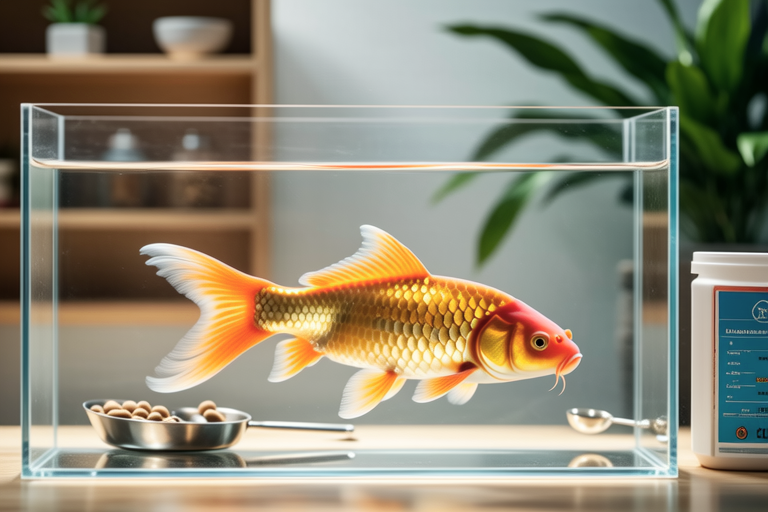
The Ultimate Guide to Feeding Your Goldfish Correctly
Proper nutrition is crucial for the health and longevity of your goldfish. Just like humans, goldfish require a balanced diet to thrive. Understanding their dietary needs and providing appropriate food can significantly enhance their lifespan and vitality. This guide aims to provide you with all the necessary information to ensure your goldfish receive optimal nutrition.
Understanding Goldfish Dietary Needs
Goldfish are omnivores, meaning they eat both plant and animal matter. Their digestive systems are designed to process a variety of foods, but this does not mean they can eat anything indiscriminately. A well-balanced diet for goldfish includes protein, carbohydrates, fats, vitamins, and minerals. These nutrients support growth, reproduction, and overall health. The key is to mimic their natural diet as closely as possible while ensuring the food is safe and easily digestible.
Types of Food Suitable for Goldfish
Flakes
Flake food is one of the most common types of food for goldfish. It is easy to store and feed, making it popular among beginners. However, flake food can quickly dissolve in water, potentially leading to water quality issues if overfed. It’s important to choose high-quality flakes that are rich in nutrients and avoid those that contain fillers.
Pellets
Pellets are another staple in the goldfish diet. They are more durable than flakes and less likely to dissolve rapidly, which helps maintain water quality. Pellets come in various sizes, so it’s essential to select the right size for your fish. Larger goldfish will need larger pellets to ensure they get enough food.
Live or Frozen Foods
Introducing live or frozen foods into your goldfish’s diet can be highly beneficial. These include bloodworms, brine shrimp, daphnia, and mosquito larvae. Live foods can stimulate natural hunting behaviors, which is particularly useful for enhancing activity levels in less active environments. However, care must be taken when introducing live foods, especially from outside sources, to avoid introducing diseases or parasites.
Feeding Frequency and Portion Sizes
The frequency and portion sizes of feeding are critical aspects of goldfish care. Overfeeding can lead to obesity and poor water quality, while underfeeding can result in malnutrition and stunted growth. As a general rule, goldfish should be fed two to three times daily, with each meal lasting no longer than two minutes. The amount of food should be just enough to be consumed within this time frame. It’s also recommended to observe your goldfish during feeding; if they seem to ignore the food or leave it uneaten, reduce the portion size.
Risks of Overfeeding and Underfeeding
Overfeeding
Overfeeding poses significant risks to goldfish health. Excess food can lead to obesity, swim bladder disorders, and increased waste production, which negatively impacts water quality. Uneaten food can also decay, releasing harmful substances into the water, such as ammonia and nitrite, which can be toxic to fish.
Underfeeding
Conversely, underfeeding can result in malnutrition, weakened immune systems, and slower growth rates. Goldfish that are not receiving adequate nutrition may become lethargic and susceptible to diseases. Regular monitoring of your goldfish’s behavior and physical condition can help identify potential issues related to feeding practices.
Signs of Malnutrition or Overfeeding
Malnutrition Signs
Signs of malnutrition in goldfish include slow growth, loss of appetite, pale coloration, and weakened swimming ability. If you notice these symptoms, consider adjusting the diet to include more nutrient-rich foods and consult with a veterinarian specializing in aquatic animals.
Overfeeding Signs
Overfed goldfish may show signs of bloating, difficulty swimming, and excess waste production. Additionally, the water quality might deteriorate more rapidly, indicated by cloudiness or foul odors. Addressing these issues promptly can prevent further complications.
Maintaining Water Quality After Feeding
After feeding, it’s crucial to monitor and maintain water quality. Uneaten food and waste can accumulate quickly, affecting the water chemistry. Regular partial water changes, typically 10-20% weekly, can help keep the water clean and stable. Investing in a good quality filter and performing routine maintenance on it can also contribute to better water quality.
Adapting Feeding Routines According to Age and Environment
The nutritional needs of goldfish change as they grow and adapt to different environments. Younger goldfish require more frequent feeding and higher protein content to support rapid growth. As they mature, their feeding frequency can decrease, but the importance of a varied diet remains constant. In colder climates or during winter months, goldfish metabolism slows down, and they may require less food. Adjusting feeding schedules and portion sizes accordingly can help maintain their health throughout the year.
In conclusion, feeding your goldfish correctly is essential for their well-being and longevity. By understanding their dietary needs, choosing the right type of food, and maintaining proper feeding habits, you can ensure your goldfish lead healthy, vibrant lives. Always remember that a balanced diet and attentive care go hand in hand with maintaining optimal water conditions. With these guidelines, you’re well on your way to becoming a knowledgeable and responsible goldfish owner.
