Meet the Bengal Cat: The Exotic Companion for Modern Pet Owners
The Bengal cat has emerged as one of the most sought-after breeds in recent years, captivating pet lovers with its striking appearance and engaging personality. This article aims to provide a comprehensive overview of the Bengal cat, from its unique origins and appearance to its care requirements and the joys of owning one. Whether you’re a seasoned cat owner or considering adding a Bengal to your family, this guide will help you understand what it takes to care for and enjoy these magnificent creatures.
Origin and Appearance: A Wild Look, Domesticated Nature
The Bengal cat’s lineage traces back to the 1960s when Jean Mill, an American breeder, crossed domestic cats with Asian Leopard Cats (ALC). The goal was to create a domesticated cat that retained the exotic markings and appearance of its wild ancestors while being fully tame and loving. Over generations of selective breeding, the Bengal cat emerged as a distinct breed recognized by major cat registries worldwide.
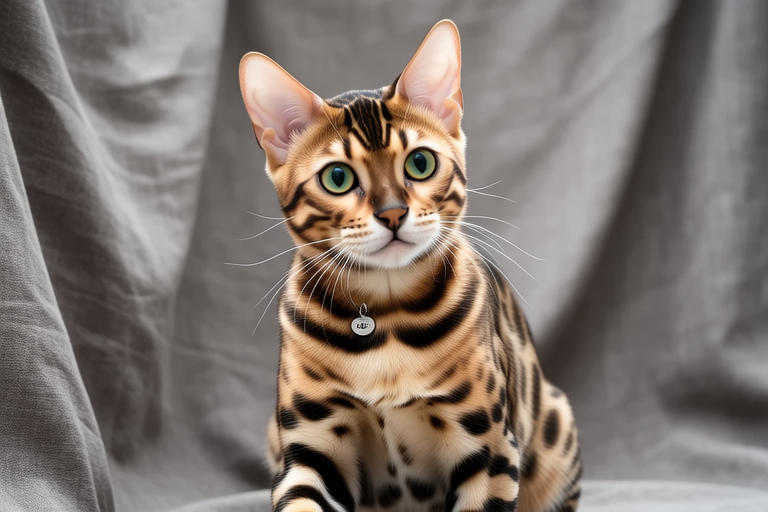
One of the most striking features of the Bengal cat is its coat. These felines boast a luxurious, sleek pelt with distinctive leopard-like spots or marbling. The coat can range from golden to silver, with black, brown, or rust-colored rosettes against a contrasting background. Their eyes, typically almond-shaped, come in shades of green or gold, further enhancing their wild allure. Despite their exotic looks, Bengal cats are fully domesticated and make excellent companions.
Energetic and Playful Personalities
Bengal cats are known for their high energy and playful demeanor, making them ideal companions for active individuals or families. They thrive on interaction and engagement, often displaying a curiosity and enthusiasm that keeps owners entertained. Their playful nature is evident in their love for games and activities, such as chasing toys, playing fetch, or exploring new environments. This makes them perfect for households where there is ample time and space for play.
Bengals are also highly intelligent, which contributes to their interactive nature. They enjoy problem-solving challenges and can be trained to perform simple tricks or commands. Their intelligence combined with their playful spirit creates a dynamic and entertaining relationship between owner and pet.
Grooming Needs and Dietary Considerations
While Bengal cats have a luxurious coat, their grooming needs are relatively low compared to other long-haired breeds. Regular brushing helps to maintain their coat’s shine and prevents matting. Additionally, occasional baths may be necessary to keep their fur clean and free of dirt. However, due to their water-resistant coats, Bengals might not enjoy bathing as much as some other breeds.
Dietary considerations for Bengal cats include providing a balanced diet rich in protein and essential nutrients. High-quality commercial cat foods formulated for indoor or active cats are generally sufficient. However, some Bengal owners prefer to supplement their cat’s diet with raw or cooked meat. It’s crucial to consult with a veterinarian before making any significant changes to your cat’s diet. Fresh water should always be available, and feeding times should be consistent to avoid overeating or digestive issues.
Health Issues and Veterinary Care
Bengal cats are generally healthy, but like all breeds, they can be prone to certain health issues. Hypertrophic cardiomyopathy (HCM), a heart condition, is more common in Bengal cats than in other breeds. Regular veterinary check-ups, including heart screenings, are essential for early detection and management of this condition.
Another concern for Bengal cats is patellar luxation, a condition where the kneecap dislocates from its normal position. This issue can cause discomfort and mobility problems. Ensuring your Bengal maintains a healthy weight through proper diet and exercise can reduce the risk of developing this condition. Routine visits to the vet for preventive care, vaccinations, and dental hygiene are also important for maintaining your Bengal’s overall health.
Training and Socialization
Training and socializing Bengal cats require patience and positive reinforcement. Due to their intelligence and high energy levels, Bengals respond well to consistent training methods. Using treats and praise, you can teach them basic commands, such as sit, stay, and come. Interactive toys and puzzles can also stimulate their minds and encourage good behavior.
Socialization is equally important for Bengal cats, especially during their early developmental stages. Exposing them to various people, animals, and environments helps them become confident and adaptable. Proper socialization ensures that your Bengal cat will be comfortable in different situations and less likely to develop behavioral issues. Engaging in regular playtime and providing opportunities for exploration are key components of successful socialization.
Pros and Cons of Owning a Bengal Cat
Owning a Bengal cat comes with several advantages. Their striking appearance and playful nature make them an attractive addition to any home. Their intelligence and adaptability allow them to fit well into various lifestyles, from busy households to quiet homes. However, there are also some challenges to consider. Bengals require more attention and stimulation than some other breeds, which can be demanding for those with limited time or energy.
Additionally, their vocal nature and tendency to be more active at night might not suit every household. While these traits can be endearing, they can also lead to sleep disturbances if not managed properly. Understanding the pros and cons of owning a Bengal cat is essential for ensuring a harmonious relationship between owner and pet.
Ensuring a Happy and Healthy Life for Your Bengal Cat
To ensure a happy and healthy life for your Bengal cat, it’s crucial to provide them with a stimulating environment that meets their physical and mental needs. This includes access to climbing structures, scratching posts, and plenty of toys for play and exploration. Regular exercise, either through play sessions or structured activities, helps maintain their physical fitness and mental well-being.
Maintaining a routine that includes consistent feeding times, grooming, and veterinary check-ups is also vital. Providing a safe and secure living space that offers privacy and comfort is essential for your Bengal’s emotional health. By understanding and meeting their unique needs, you can enjoy a fulfilling and rewarding relationship with your Bengal cat.
