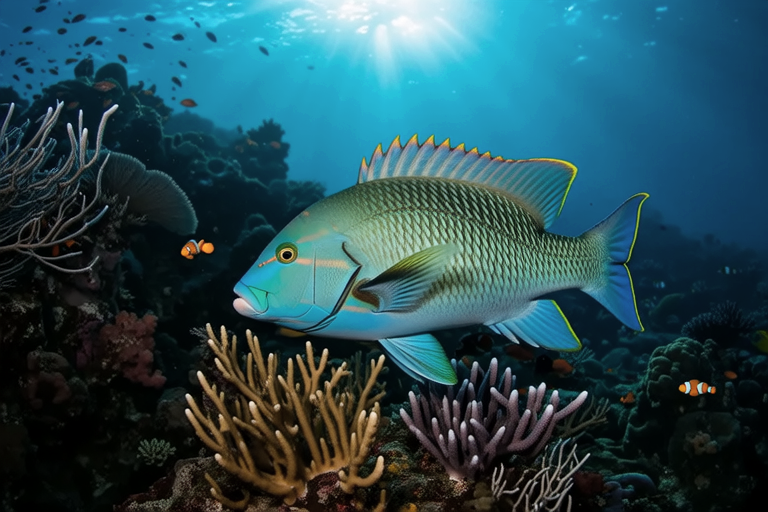
The Vibrant Underwater World of Parrot Fish: Nature’s Living Masterpieces
In the vast ocean, where mystery and beauty intertwine, there exists a colorful and fascinating group of creatures known as parrot fish. These underwater marvels, with their unique appearance and vibrant hues, have captured the imagination of divers and marine enthusiasts alike. Their distinct features and crucial roles in marine ecosystems make them a vital part of our planet’s biodiversity.
Unique Appearance and Vibrant Colors
Parrot fish, belonging to the family Scaridae, are named for their beak-like mouths, which are equipped with fused teeth that resemble a parrot’s beak. This adaptation allows them to scrape algae from rocks and coral, an essential activity for their survival and the health of their environment. The most striking aspect of parrot fish is undoubtedly their brilliant and varied coloration. Ranging from electric blues and greens to vivid oranges and reds, each species boasts its own unique palette. Some species even exhibit dramatic changes in color as they mature, making them a constantly evolving spectacle beneath the waves.
One of the most iconic species is the Queen parrotfish (Scarus vetula), which can grow up to three feet long and is often seen in the Caribbean. Its body is adorned with a mesmerizing array of colors, including electric blue stripes and a vibrant orange tail. Another notable species is the Blue parrotfish (Scarus coelestinus), which displays a stunning azure body with yellow highlights, making it a standout in any coral reef setting. These colors not only serve as a means of camouflage among the reef’s vibrant landscape but also play a role in communication and mating rituals.
Role in Coral Reef Ecosystems
Parrot fish are not just beautiful; they are also vital contributors to the health of coral reefs. Through their feeding habits, these fish help maintain the balance of the reef ecosystem. They graze on algae that would otherwise overgrow and smother corals, effectively acting as gardeners of the sea. By scraping algae from rocks and coral, parrot fish prevent the overgrowth that could lead to the death of coral polyps.
Moreover, the excrement of parrot fish plays a significant role in the nutrient cycle of coral reefs. When they digest the algae, their waste products enrich the water with nutrients that promote the growth of new coral. This process is crucial for the regeneration of reefs, which are under increasing threat from climate change and human activities. Without the presence of parrot fish, coral reefs would struggle to thrive, leading to a cascade of negative effects on marine biodiversity.
Behavioral Traits
Parrot fish exhibit several intriguing behaviors that add to their allure. One of the most fascinating aspects of their lifestyle is their nightly ritual of creating a protective mucus cocoon. Before settling down to sleep, many parrot fish secrete a layer of mucus around themselves, which acts as a barrier against parasites and predators. This cocoon is thought to mimic the scent of the surrounding water, making the fish less detectable to nocturnal hunters.
During the day, parrot fish are primarily diurnal, meaning they are active during daylight hours. However, they also engage in nocturnal activities, particularly feeding and exploring new areas of the reef. At night, they venture out into the deeper waters, where they continue their grazing on algae. This nocturnal behavior helps them avoid daytime predators and take advantage of the reduced competition for food sources.
Diversity Within the Species
The parrot fish family encompasses a wide range of species, each with its own unique characteristics. From the smaller species like the Midnight parrotfish (Scarus schlegeli), which grows to only about six inches in length, to the larger species like the Rock Beauty (Holacanthus tricolor), which can reach lengths of nearly two feet, the diversity within this group is remarkable.
The Midnight parrotfish, found in the Indo-Pacific region, is distinguished by its dark brown coloration and white spots. It prefers deeper waters and is less commonly encountered by divers. On the other hand, the Rock Beauty, also known as the Queen angelfish, is a popular sight in the Caribbean. With its striking blue and yellow scales, it is one of the most recognizable species of parrot fish.
Another interesting species is the Stoplight parrotfish (Sparisoma viride), which is easily identifiable by its bright green body and distinctive red and white markings. This species is known for its ability to change color rapidly, especially when threatened or during mating displays. The ability to alter their appearance is a testament to the adaptability and intelligence of these fish.
Importance and Threats
As we explore the vibrant world of parrot fish, it becomes increasingly clear why these creatures are so important. They are not just beautiful; they are essential to the health and resilience of coral reefs. In a time when coral reefs are facing unprecedented challenges from climate change, pollution, and overfishing, the preservation of parrot fish populations is crucial.
However, these underwater masterpieces face numerous threats. Overfishing, habitat destruction, and pollution are some of the primary dangers to their survival. Many species of parrot fish are targeted by fishermen for their meat and vibrant colors, which are used in aquariums. Additionally, the destruction of coral reefs due to climate change and human activities has a direct impact on the habitats of parrot fish.
To ensure the continued existence of these living masterpieces, it is essential to implement conservation efforts. Protecting marine reserves, reducing pollution, and promoting sustainable fishing practices are all steps that can help preserve parrot fish populations. By appreciating and understanding the vital role these fish play in our oceans, we can work towards safeguarding their future and the health of the marine ecosystems they inhabit.
