Dutch Dwarf Rabbits Unleashed: Their Unique Traits Explained
Welcome to the fascinating world of Dutch Dwarf rabbits! These tiny, charming creatures have captured the hearts of many pet enthusiasts with their diminutive stature and amiable disposition. In this article, we will delve into the history, physical attributes, temperament, care requirements, and health concerns associated with these delightful pets. Whether you’re a seasoned rabbit owner or contemplating your first furry companion, this guide will provide valuable insights into the world of Dutch Dwarf rabbits.
The Origins of Dutch Dwarf Rabbits
The Dutch Dwarf rabbit breed originated in the Netherlands in the early 20th century. Breeders sought to create a smaller version of the popular Dutch rabbit, leading to the development of the Dutch Dwarf. By selectively breeding smaller individuals from various rabbit breeds, they succeeded in creating a compact yet robust rabbit that retained the classic markings and friendly demeanor of its larger counterpart. Today, Dutch Dwarfs are highly regarded for their unique appearance and gentle nature, making them one of the most beloved pet rabbit breeds worldwide.
Physical Characteristics
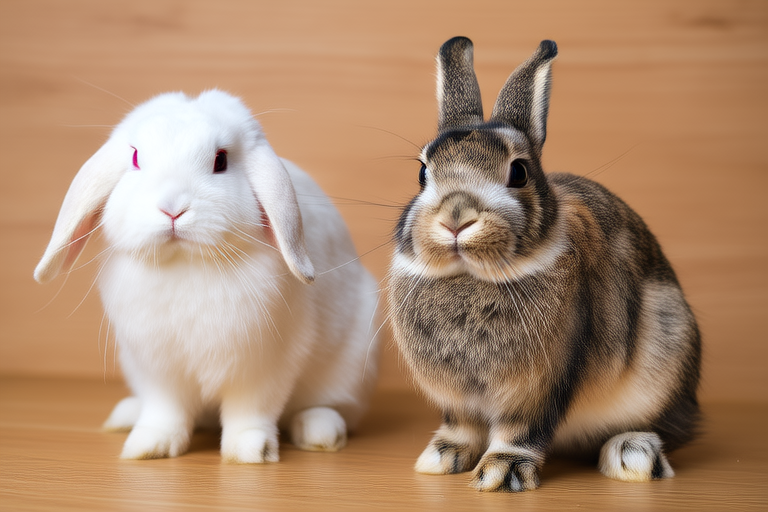
Dutch Dwarfs are known for their petite size, typically weighing between 1.4 to 2.3 kg (3 to 5 pounds). Despite their small frame, they possess a sturdy build with a broad chest and a slightly rounded back. Their head is round with short ears that stand upright, giving them an endearing and alert expression. The breed’s most distinctive feature is its classic color pattern, which includes a white blaze running down the center of the face, white cheeks, and a contrasting colored body. Common coat colors include black, blue, chocolate, and lilac, each paired with white. Dutch Dwarfs can also display other patterns such as broken, which features a mix of white and colored patches.
Temperament and Suitability as Pets
Dutch Dwarfs are renowned for their friendly and sociable nature, making them ideal companions for families and individuals alike. They enjoy interacting with humans and can form strong bonds with their owners. However, it’s important to note that rabbits are social animals and thrive in pairs or small groups. Providing companionship for your Dutch Dwarf will help ensure its emotional well-being. Additionally, these rabbits are intelligent and curious, often engaging in playful behaviors like hopping and exploring their surroundings. With proper training, they can even learn simple commands and tricks.
Care Tips for Dutch Dwarf Rabbits
Dietary Requirements
A balanced diet is crucial for maintaining the health of your Dutch Dwarf rabbit. Their primary food source should be high-quality hay, which aids in digestion and dental health. Fresh vegetables, such as carrots, broccoli, and leafy greens, should be offered daily in moderation. Commercial rabbit pellets can be given sparingly, as they are high in calories and should not make up the majority of their diet. Always provide access to clean, fresh water.
Housing Considerations
When it comes to housing, Dutch Dwarfs require a spacious environment that allows them to move freely and engage in natural behaviors. A large cage or enclosure with plenty of space for hopping and playing is essential. The floor should be lined with soft bedding material, such as straw or shredded paper, to prevent discomfort and injury. Ensure the living area is free from drafts and kept at a comfortable temperature. Providing hiding spots and toys will enrich their environment and stimulate mental and physical activity.
Exercise and Socialization
Regular exercise is vital for the overall health and happiness of Dutch Dwarf rabbits. Allow them supervised time outside of their enclosure each day to explore and play. This not only promotes physical fitness but also helps prevent boredom and destructive behavior. Socialization is equally important; spend quality time with your rabbit through gentle handling and interaction. Engaging in activities like grooming and playing together will strengthen your bond and keep your pet mentally stimulated.
Common Health Issues and Prevention
Like all domesticated animals, Dutch Dwarf rabbits are susceptible to certain health problems. Dental issues are among the most common, often caused by inadequate chewing opportunities or improper diet. Regular visits to a veterinarian specializing in exotic animals can help detect and address dental problems early. Another prevalent issue is obesity, which can lead to serious health complications. Maintaining a balanced diet and providing ample exercise opportunities can prevent weight gain. Additionally, Dutch Dwarfs may experience respiratory infections, especially if housed in unsuitable environments. Ensuring good ventilation and hygiene within their living space can reduce the risk of these infections.
Advice for Potential Owners
If you’re considering adopting a Dutch Dwarf rabbit, there are several factors to take into account. First and foremost, commit to providing a loving and nurturing home where your rabbit can thrive. Be prepared to invest time and resources into their care, including regular veterinary check-ups and enrichment activities. It’s also important to research local rabbit rescue organizations and shelters, as many offer wonderful pets in need of homes. Finally, remember that rabbits have specific needs and preferences, so being patient and attentive to your pet’s behavior will contribute to a harmonious relationship.
In conclusion, Dutch Dwarf rabbits are truly remarkable creatures with unique traits that make them exceptional companions. By understanding their origins, physical characteristics, temperament, and care requirements, you can provide your Dutch Dwarf with the best possible life. With proper attention and dedication, these little bundles of joy will bring endless delight and companionship to your household.
