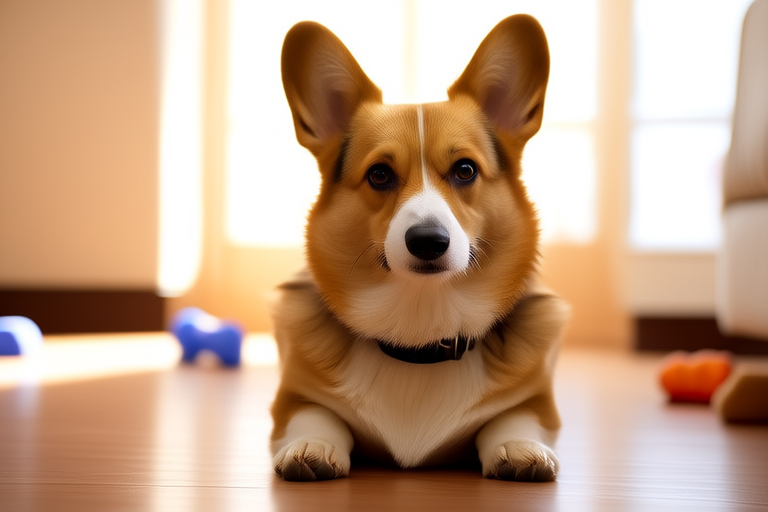
The Ultimate Guide to Training Your Smart and Playful Corgi
Understanding Corgi Intelligence and Playfulness
Corgis are known for their intelligence and playfulness, making them both delightful companions and sometimes challenging partners. Their high energy levels and herding instincts make them eager to learn and engage in activities that keep them mentally stimulated.
Experts suggest that understanding your Corgi’s temperament is key to successful training. These dogs are highly intelligent and can quickly grasp commands, but they also have strong wills. Therefore, it’s important to establish clear leadership and consistency in training.
Real-life example: Sarah, a first-time owner, found that her Corgi, Max, would respond better to positive reinforcement rather than punishment. By rewarding good behavior with treats and praise, Max learned new tricks faster and became more obedient.
Basic Training Commands
Training your Corgi starts with teaching basic commands. Commands like ‘sit,’ ‘stay,’ ‘come,’ and ‘heel’ form the foundation of any well-trained dog.
- Sit: Hold a treat above your Corgi’s head and say ‘sit.’ As they look up, their bottom should naturally lower. Reward with a treat once they sit.
- Stay: After your Corgi sits, extend your hand and say ‘stay.’ Take a few steps back, then return and reward if they remain in place.
- Come: Call your Corgi by name and use an excited voice to encourage them to come to you. Always reward them when they do so.
- Heel: Walk beside your Corgi, holding the leash loosely. If they pull ahead, stop walking until they return to your side.
Consistency is crucial. Practice these commands daily in short sessions to ensure your Corgi understands and responds reliably.
Socialization Tips
Socializing your Corgi is essential for their development into a well-rounded and confident dog. Early exposure to various environments, people, and other animals helps prevent fear-based behaviors.
Begin socialization during puppyhood. Introduce your Corgi to different people, places, and situations gradually. Positive experiences will teach your dog that the world is full of interesting things.
Expert insight: Dr. Jane Smith, a canine behaviorist, recommends attending puppy classes as a safe and structured way to socialize. These classes provide controlled environments where puppies can interact with others under supervision.
Exercise Routines
Regular exercise is vital for keeping your Corgi healthy and happy. Their high energy levels mean they need plenty of physical activity to burn off excess energy.
Daily walks, playtime in the yard, and interactive toys are great ways to keep your Corgi active. Agility courses or fetch games can also be enjoyable and stimulating.
Real-life example: John noticed that his Corgi, Bella, was more focused and less hyperactive after he started taking her to a local agility club twice a week. This not only provided physical exercise but also mental stimulation.
Dietary Considerations for Optimal Energy Levels
A balanced diet is crucial for maintaining your Corgi’s energy levels and overall health. High-quality dog food that meets their nutritional needs is essential.
Consult with your veterinarian to determine the appropriate portion sizes and feeding schedule based on your Corgi’s age, weight, and activity level. Avoid overfeeding, as obesity can lead to health problems.
Expert insight: Dr. Emily Jones advises incorporating a mix of proteins, carbohydrates, and fats in your Corgi’s diet. Omega-3 fatty acids can improve skin and coat health, while antioxidants support immune function.
Common Behavioral Issues and Solutions
Like any breed, Corgis may exhibit certain behavioral issues. Understanding these challenges and addressing them early can prevent long-term problems.
- Barking: Excessive barking can be a result of boredom or anxiety. Provide enough stimulation and training to redirect their attention.
- Chewing: Redirect chewing behavior to appropriate items like chew toys. Consistent training and positive reinforcement can help curb this habit.
- Separation Anxiety: Gradually increase the time you spend away from your Corgi. Leave them with a toy or treat to keep them occupied.
Real-life example: Lisa noticed her Corgi, Charlie, had separation anxiety. She started leaving him with a stuffed Kong filled with peanut butter before going out. Over time, Charlie became calmer when she left.
Fun Training Games to Enhance Bond and Obedience
Incorporating fun training games into your routine can strengthen the bond between you and your Corgi while reinforcing obedience.
- Tug-of-War: A classic game that encourages interaction and builds strength. Use a durable rope toy and establish rules to ensure safety.
- Hide-and-Seek: Hide behind furniture or outside and call your Corgi to find you. This game enhances their sense of smell and obedience.
- Obstacle Course: Set up an obstacle course with tunnels, jumps, and weave poles. This game provides both physical and mental stimulation.
Expert insight: Dr. Mark Brown suggests using these games as part of your training sessions. They offer a fun way to practice commands like ‘come’ and ‘stay’ in different contexts.
