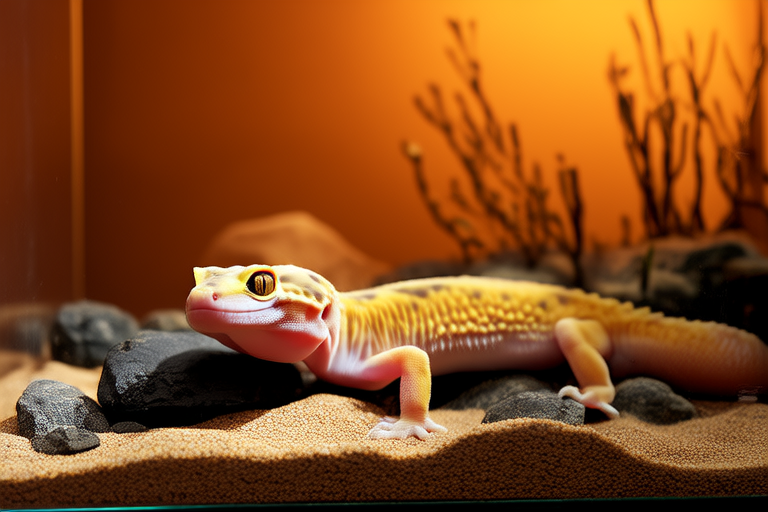
The Ultimate Leopard Gecko Habitat Setup: Tips for Creating Their Perfect Space
Leopard geckos are one of the most popular reptile pets due to their docile nature and relatively low maintenance care. Providing a suitable habitat is crucial for their health and well-being. This comprehensive guide will walk you through the steps necessary to create the perfect space for your leopard gecko, covering everything from selecting the right terrarium size to maintaining cleanliness.
Selecting an Appropriate Terrarium Size
The first step in setting up a habitat for your leopard gecko is choosing the right terrarium. A common misconception is that smaller is better, but this couldn’t be further from the truth. Leopard geckos need ample space to move around, explore, and exercise. For a single adult leopard gecko, a 20-gallon long tank is ideal. If you plan to house multiple geckos or provide additional features like climbing branches, a larger enclosure might be necessary.
Ensure the terrarium has a secure lid with adequate ventilation to prevent heat buildup and maintain proper air circulation. The height of the terrarium is also important; leopard geckos enjoy climbing, so providing vertical space can enhance their living experience.
Substrate Options
Choosing the right substrate is vital for your leopard gecko’s health. Substrate is the material used to line the bottom of the terrarium. There are several options available, each with its own benefits and drawbacks:
- Cedar and Pine Shavings: These are not recommended as they can cause respiratory issues and skin problems.
- Bark Chips: While aesthetically pleasing, these can be difficult to clean and pose a choking hazard.
- Reptile Carpet: An artificial substrate that is easy to clean but less natural. It may not be suitable for all geckos.
- Calci-Sand: This is a popular choice among gecko owners because it is dust-free and provides some calcium for the gecko. However, it can be challenging to digest if ingested.
- Unprinted Paper Towels: Easy to clean and non-toxic, making them a safe option for geckos.
For beginners, unprinted paper towels or reptile carpet are excellent choices due to their ease of use and safety. Advanced keepers might prefer calci-sand or other substrates that mimic the gecko’s natural environment more closely, provided they can monitor their gecko’s health carefully.
Temperature and Lighting Requirements
Leopard geckos are ectothermic, meaning they rely on external sources of heat to regulate their body temperature. Maintaining the correct temperature gradient within the terrarium is crucial for their digestion, metabolism, and overall health.
Adequate heating can be achieved by using under-tank heaters (UTH) or ceramic heat emitters. The basking area should reach approximately 90°F (32°C), while the cooler side of the terrarium should remain between 75°F and 80°F (24°C to 27°C). Nighttime temperatures can drop slightly, but should not fall below 65°F (18°C).
While leopard geckos do not require UVB lighting for vitamin D synthesis, a gentle source of full-spectrum lighting can help simulate day and night cycles, promoting natural behaviors. Ensure the light source does not emit excessive heat, which could disrupt the temperature gradient.
Hiding Spots and Decorations
Leopard geckos are nocturnal creatures that spend much of their time hiding during the day. Providing ample hiding spots is essential for their mental and physical health. Hiding spots can be created using half logs, cork bark, or specially designed reptile caves. These should be placed throughout the terrarium, both on the warmer and cooler sides, to allow your gecko to thermoregulate while remaining hidden.
In addition to hiding spots, adding decorations such as plants, rocks, and climbing structures can enrich your gecko’s environment. Live plants can introduce humidity and add aesthetic value, but ensure they are non-toxic and safe for your pet. Artificial plants and decorations are also great alternatives if you’re concerned about potential risks.
Decorations should be securely fastened to prevent accidents. Climbing structures can include branches or commercially available reptile perches. Remember, the goal is to create an environment that stimulates your gecko and allows it to exhibit natural behaviors.
Feeding Stations
Leopard geckos are insectivores, primarily consuming crickets, mealworms, and dubia roaches. Proper nutrition is crucial for their growth and longevity. Setting up a designated feeding station can help minimize stress and ensure your gecko receives a balanced diet.
The feeding station should be placed on the cooler side of the terrarium to prevent food from overheating. Use a shallow dish or commercially available feeder bowl to serve insects. Always offer fresh water daily in a separate dish. Water dishes should be cleaned regularly to prevent bacterial growth.
It’s important to gut-load the insects before feeding them to your gecko. Gut-loading involves feeding the insects a nutritious diet rich in vitamins and minerals, which they then pass on to your gecko when consumed. You can purchase commercial gut-loading formulas or create your own using vegetables and fruits.
Maintaining Cleanliness
Maintaining a clean habitat is key to preventing health issues in your leopard gecko. Regular cleaning helps control bacteria, mold, and parasites, ensuring your pet stays healthy.
Spot-clean the terrarium daily, removing any uneaten food or waste. Once a week, perform a thorough cleaning. Remove the gecko and all decorations, then wash the terrarium with a mild disinfectant solution. Rinse thoroughly and allow the enclosure to dry completely before replacing the substrate and furnishings.
Regularly check the substrate for signs of contamination, and replace it as needed. Keep a close eye on the gecko’s health, and consult a veterinarian if you notice any unusual behavior or symptoms.
Conclusion
Creating the perfect habitat for your leopard gecko requires careful consideration of various factors, including terrarium size, substrate type, temperature control, hiding spots, feeding stations, and cleanliness. By following these guidelines, you can provide your gecko with a stimulating and healthy environment that closely mimics its natural habitat.
Whether you’re a beginner or an experienced keeper, taking the time to understand and meet your gecko’s needs will lead to a happier, healthier pet. Remember, the investment of time and effort into creating the best possible habitat will pay off in the form of a vibrant, thriving leopard gecko.
