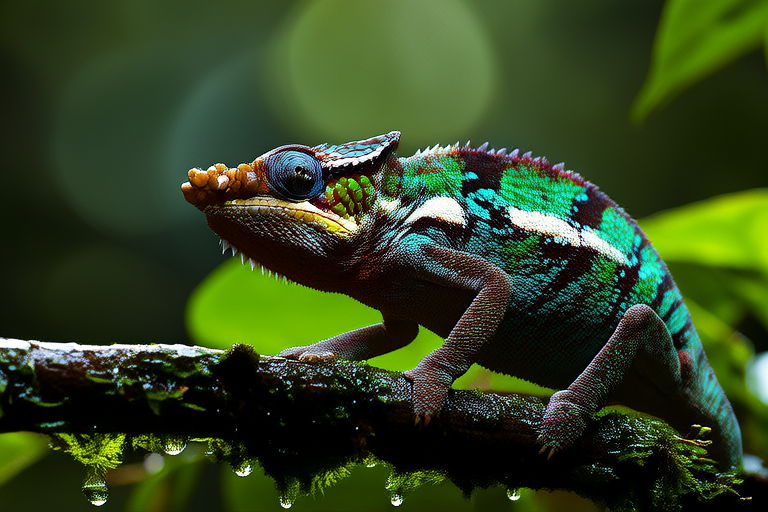
From Jungle to Home: The Ultimate Chameleon Care Guide
Welcome to your comprehensive guide on caring for chameleons, those fascinating creatures that have captured the hearts of many pet enthusiasts. Originating from diverse habitats across the world, these reptiles bring a unique charm into homes. This guide aims to equip you with all the necessary information to ensure your chameleon leads a healthy and fulfilling life.
Understanding Chameleon Habitat Setup
Chameleons thrive in environments that mimic their natural jungle settings. It’s crucial to create a habitat that provides ample space for climbing, proper ventilation, and the right temperature gradients.
Enclosure Size: The enclosure should be spacious enough for your chameleon to move around comfortably. A minimum size of 24 inches wide by 24 inches deep by 48 inches tall is recommended for juveniles. Adult chameleons require even larger enclosures, ideally 36 inches wide by 36 inches deep by 72 inches tall.
Substrate: Avoid substrates like sand or gravel, as they can pose ingestion risks. Instead, opt for a layer of coconut fiber or bark chips at the bottom of the enclosure. Ensure that the substrate remains dry to prevent bacterial growth.
Ventilation: Proper air circulation is vital for maintaining optimal humidity levels within the enclosure. Screen tops or mesh sides allow fresh air to flow through while preventing drafts.
Plants and Branches: Chameleons are arboreal, meaning they spend most of their time climbing. Provide a variety of live or artificial plants and branches for them to perch on. These also offer hiding spots and aid in maintaining humidity levels.
Temperature and Humidity: Maintain daytime temperatures between 75°F and 85°F (24°C to 29°C) with a basking spot reaching up to 95°F (35°C). Nighttime temperatures should drop slightly but remain above 65°F (18°C). Use a hygrometer to monitor humidity, aiming for 40% to 70%. Mist the enclosure twice daily to raise humidity levels.
Diet Requirements
Chameleons are insectivores, requiring a balanced diet rich in nutrients. Their feeding habits are quite specific, so it’s important to understand what they need.
Insects: Crickets, dubia roaches, and waxworms are commonly fed. Dust insects with calcium and multivitamin powders before offering them to your chameleon. Ensure that insects are gut-loaded, meaning they have been fed nutritious foods prior to being offered to your pet.
Feeding Frequency: Juvenile chameleons should be fed daily, while adults can be fed every other day. Offer smaller quantities more frequently to prevent food waste and maintain freshness.
Water: Unlike some pets, chameleons don’t drink standing water. They prefer to lap water droplets off leaves and branches. Use a misting system or drip system to provide fresh water throughout the day. Additionally, you can place a shallow water dish at the bottom of the enclosure.
Health Care Tips
Regular health checks and preventative measures are key to keeping your chameleon in top condition.
Veterinary Care: Consult a veterinarian who specializes in reptiles. Schedule routine check-ups to monitor overall health and catch any potential issues early.
Signs of Illness: Watch for changes in behavior, appetite, or appearance. Common signs include lethargy, difficulty breathing, swollen eyes, or persistent shedding problems. Address any concerns promptly to avoid complications.
Cleanliness: Regularly clean the enclosure to remove waste and old food. This helps prevent bacterial growth and keeps the environment fresh. Disinfect the enclosure thoroughly once a month using a reptile-safe cleaner.
Common Behaviors
Understanding your chameleon’s behaviors can help you interpret its needs and well-being.
Color Changes: Chameleons change color based on mood, temperature, and light conditions. They may display vibrant colors during courtship or when feeling threatened. While this is normal, sudden or prolonged color changes can indicate stress or illness.
Basking: Chameleons often bask under heat lamps to regulate their body temperature. Ensure that the basking spot is warm enough but not too hot to cause burns.
Shedding: As your chameleon grows, it will shed its skin periodically. Provide humid conditions and smooth surfaces to assist with shedding. Monitor the process to ensure all skin is removed properly.
Essential Equipment for New Owners
Equipping yourself with the right tools ensures your chameleon has everything it needs to thrive.
- Enclosure: Choose a well-ventilated cage that meets size requirements.
- Heat Lamp: Provides warmth and simulates sunlight.
- Misting System: Maintains humidity and provides drinking water.
- Branches and Plants: For climbing and hiding.
- Thermometer and Hygrometer: To monitor temperature and humidity.
- Dietary Supplements: Calcium and multivitamins to support nutrition.
- Reptile-Safe Cleaner: For regular cleaning of the enclosure.
By following this guide, you’ll be well-prepared to welcome a chameleon into your home. Remember, each chameleon is unique, so observe your pet closely to tailor its care accordingly. With dedication and attention, you can provide a safe and enriching environment that allows your chameleon to flourish.
