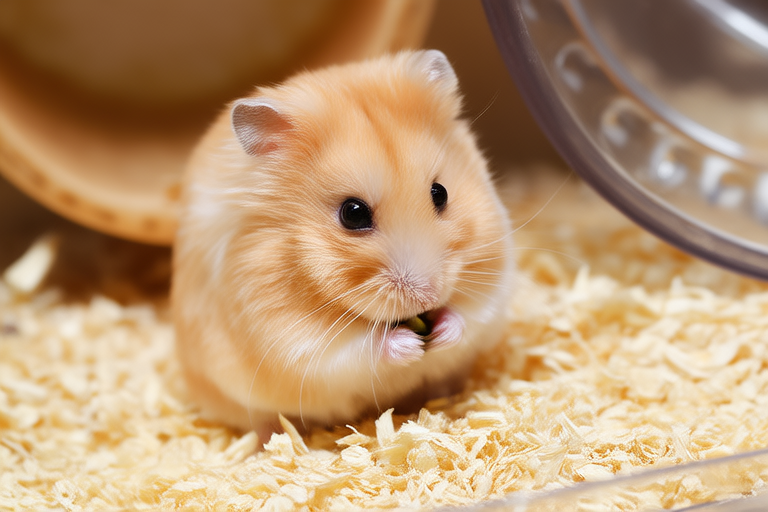
How to Make Your Golden Hamster the Happiest Pet Ever
Welcome to the world of golden hamsters! These adorable, tiny creatures are full of personality and can make wonderful pets for both children and adults. By following some simple guidelines, you can ensure your golden hamster lives a long, healthy, and happy life. This guide will cover everything from creating the perfect habitat to keeping your pet entertained and stimulated.
Creating the Perfect Habitat
The first step to making your golden hamster happy is ensuring it has a comfortable home. A spacious cage with plenty of ventilation is essential. Opt for a wire cage with solid flooring or a glass aquarium with a secure mesh lid to prevent escapes. The cage should be at least 24 inches long, 12 inches wide, and 12 inches high, offering ample space for your hamster to explore and play.
Bedding is another crucial aspect of your hamster’s habitat. Choose bedding that is dust-free and absorbent, such as paper-based bedding or aspen shavings. Avoid cedar and pine shavings, as they can irritate your hamster’s respiratory system. Provide enough bedding to allow your hamster to burrow and nest comfortably. A depth of around two to three inches is ideal.
In addition to bedding, include various toys and accessories to enrich your hamster’s environment. Tunnels, chew toys, and exercise wheels are excellent choices. Ensure any toys you provide are safe and free from small parts that could be swallowed. Place a hide box or small shelter inside the cage to give your hamster a quiet place to retreat when needed.
Nutrition: Fueling Your Hamster’s Happiness
A balanced diet is key to your hamster’s overall health and happiness. A good quality commercial hamster mix, which includes seeds, grains, and pellets, provides a well-rounded diet. However, it’s important to offer a variety of fresh foods to supplement their diet. Fresh vegetables like carrots, broccoli, and spinach are great options, but introduce them gradually to avoid digestive upset.
Always provide fresh water daily, either through a sipper bottle or a water bowl. Clean and refill the water source regularly to keep it hygienic. Avoid giving your hamster sugary treats, as they can lead to obesity and dental problems. Instead, opt for occasional healthy snacks like small pieces of apple or cucumber.
Exercise: Keeping Your Hamster Fit and Active
Golden hamsters are naturally active and require regular exercise to stay healthy. An exercise wheel is a must-have accessory in your hamster’s cage. Ensure the wheel is large enough for your hamster to run without hunching its back, ideally with a diameter of at least eight inches. Rotate the wheel occasionally to prevent boredom and provide different textures for your hamster to run on.
Outside-of-cage playtime is also beneficial. Set up a safe play area in a room where there are no open windows or gaps under doors. Use a hamster ball for supervised play sessions, allowing your hamster to explore and burn off excess energy. Always supervise your hamster during these playtimes and limit sessions to about 15 minutes to prevent exhaustion.
Mental Stimulation: Keeping Your Hamster Sharp and Happy
Providing mental stimulation is just as important as physical exercise. Enrich your hamster’s environment with toys that encourage problem-solving and exploration. Hide treats in tunnels or behind obstacles to encourage your hamster to search and find them. Rotate toys periodically to keep things interesting and prevent boredom.
Training can also be a fun way to mentally stimulate your hamster. Teach basic commands like coming when called or sitting still. Use positive reinforcement techniques, rewarding your hamster with treats and praise for desired behaviors. Training sessions should be short and enjoyable, lasting only a few minutes each day.
Handling Techniques: Building a Bond with Your Hamster
Gentle handling is crucial when interacting with your hamster. Start by placing your hand flat inside the cage, allowing your hamster to sniff and get accustomed to your scent. Once your hamster feels comfortable, gently scoop it up with both hands, supporting its body fully. Always handle your hamster over a soft surface to prevent injury if it accidentally falls.
Regular interaction builds trust and strengthens the bond between you and your hamster. Spend time each day talking softly to your hamster and offering gentle strokes. Avoid sudden movements or loud noises, as these can startle your hamster and cause stress. Patience and consistency are key when building a trusting relationship with your pet.
Signs of a Happy, Healthy Hamster
A happy, healthy hamster displays several key signs. It should have bright, clear eyes, clean fur, and a healthy appetite. Your hamster should also be active, exploring its surroundings and interacting with its toys. Regular grooming, such as self-grooming and cheek rubbing, indicates good health.
Pay attention to any changes in behavior or appearance. Signs of illness include lethargy, loss of appetite, discharge from the nose or eyes, or unusual sores or lumps. If you notice any concerning symptoms, consult a veterinarian specializing in small animals immediately.
Maintaining Hygiene: Keeping Your Hamster Clean
Keeping your hamster’s living area clean is vital for its health and happiness. Clean the cage thoroughly once a week, removing all bedding and replacing it with fresh material. Wipe down the cage and accessories with a mild disinfectant, rinsing well to remove any residue. Avoid harsh chemicals that could be harmful to your hamster.
While hamsters are generally clean animals, occasional assistance with grooming may be necessary. Trim your hamster’s nails every few weeks if they become too long, using small nail clippers designed for pets. Be cautious not to cut the quick, which contains blood vessels. Bathing is rarely necessary, as hamsters groom themselves. If bathing is required, use a shallow dish of warm water and gentle pet shampoo, ensuring your hamster is completely dry afterward.
Addressing Common Health Issues
Like any pet, hamsters can experience health issues. Knowing how to recognize and address these problems is essential. Dental issues are common in hamsters due to their constantly growing teeth. Provide chew toys and sticks to help wear down their teeth. If you notice excessive drooling, difficulty eating, or swollen cheeks, consult a vet as soon as possible.
Respiratory infections can occur if your hamster’s cage is overcrowded or poorly ventilated. Symptoms include sneezing, wheezing, and discharge from the nose or eyes. Keep the cage clean and well-ventilated to prevent these infections. If you suspect a respiratory issue, seek veterinary care immediately.
Digestive issues, such as diarrhea, can result from sudden changes in diet or poor hygiene. Gradually introduce new foods and maintain a clean environment to prevent these issues. If your hamster experiences persistent diarrhea or refuses to eat, consult a vet.
Conclusion
By following these tips, you can ensure your golden hamster leads a happy and healthy life. Creating a suitable habitat, providing a balanced diet, offering regular exercise, and stimulating your hamster mentally are all essential steps. Handling your hamster gently and building a bond through regular interaction further enhances its quality of life. Maintaining hygiene and being vigilant about common health issues ensures your pet remains in top condition. With love and care, your golden hamster will thrive, bringing joy and companionship into your home.
