A Closer Look at the Exotic and Enigmatic Arowana Fish
The arowana fish, often referred to as the “Dragon of the Water,” captivates both enthusiasts and casual observers with its striking appearance and rich history. Known for its elongated body, bony scales, and an impressive ability to leap out of water, this fish has been revered in various cultures for centuries. In this article, we will delve into the unique characteristics of the arowana, explore its natural habitat, discuss its behavior and dietary requirements, and examine the challenges and rewards of keeping it as a pet. Additionally, we will shed light on conservation efforts and the cultural significance of the arowana.
Unique Appearance and Historical Significance
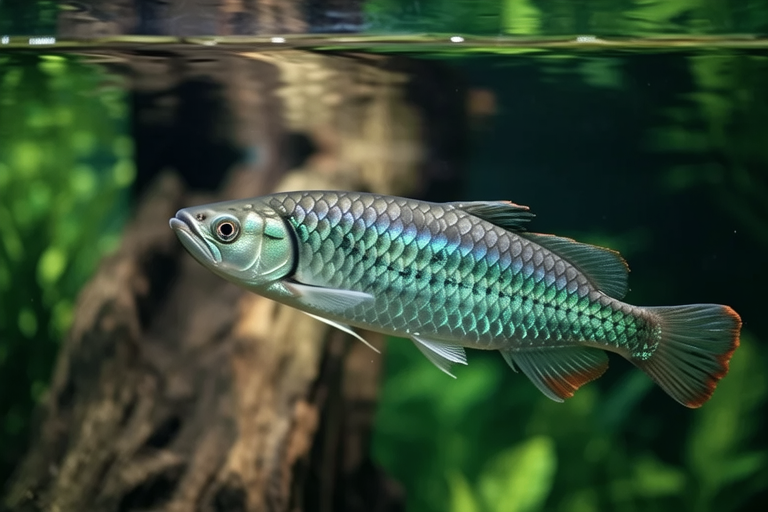
The arowana’s most notable feature is its sleek, elongated body covered in shiny, metallic scales that can shimmer in shades of red, green, or silver, depending on the species. This fish is equipped with powerful pectoral fins that enable it to leap from the water, making it appear almost dragon-like in motion. The arowana’s mouth is large and capable of opening wide, giving it an intimidating presence. Historically, the arowana has been a symbol of good fortune and prosperity in many Southeast Asian cultures. In Chinese folklore, the fish is believed to bring wealth and protection to its owner, making it a popular choice among aquarium enthusiasts.
Native Habitats and Preferred Environmental Conditions
Native to tropical freshwater rivers and swamps throughout Southeast Asia, South America, and parts of Africa, the arowana thrives in warm, well-oxygenated waters. It prefers slow-moving rivers with dense vegetation, where it can hide and hunt for prey. The ideal tank environment for an arowana mimics these natural conditions, requiring ample space, clean water, and appropriate temperature control. Arowanas need a pH level between 6.5 and 7.5 and a temperature range of 24-30°C (75-86°F). Providing adequate filtration and regular water changes is crucial to maintaining optimal water quality.
Behavioral Traits and Dietary Needs
Arowanas are predatory fish that exhibit territorial behavior, especially during feeding times. They are known to be aggressive towards other fish, particularly those of similar size or shape. Therefore, it is essential to house them alone or with compatible species that can defend themselves. Arowanas are carnivorous and require a diet rich in protein. In the wild, they feed on insects, small fish, crustaceans, and even birds that come close to the water’s surface. As pets, they should be fed a variety of live or frozen foods such as feeder fish, earthworms, and shrimp. Ensuring a balanced diet is key to their health and longevity.
Challenges of Owning an Arowana
Owning an arowana comes with several challenges, primarily due to its size and dietary requirements. Adult arowanas can grow up to 3 feet in length, necessitating a large tank or pond for proper housing. Their diet of live prey can be expensive and difficult to source consistently. Additionally, arowanas are sensitive to poor water quality and sudden changes in their environment. Regular monitoring and maintenance are necessary to ensure their well-being. Despite these challenges, the satisfaction of caring for such a magnificent creature can be deeply rewarding for dedicated aquarists.
Conservation Status and Protection Efforts
Several species of arowana are listed as endangered or vulnerable due to overfishing and habitat destruction. Conservation efforts have been implemented to protect these fish, including captive breeding programs and strict regulations on trade. In countries like Singapore, where the arowana is highly valued, there are laws governing the ownership and trade of certain species. These measures aim to prevent further decline in wild populations while promoting sustainable practices for aquarium enthusiasts.
Cultural Symbolism and Myths
The arowana holds significant cultural value in many parts of the world, particularly in Southeast Asia. In Chinese culture, the fish is considered a symbol of good luck and financial success. The belief stems from its resemblance to the Chinese dragon, a mythical creature associated with power and prosperity. In some regions, arowanas are kept in home aquariums to attract positive energy and ward off evil spirits. Across different cultures, there are various myths and legends surrounding the arowana, each contributing to its enigmatic allure.
In conclusion, the arowana fish is a remarkable species that combines beauty, strength, and cultural significance. Its unique appearance, coupled with its fascinating behaviors and historical importance, makes it a subject of intrigue for many. While owning an arowana can present challenges, the rewards of caring for such an extraordinary creature make it an attractive option for dedicated aquarists. By understanding the needs of the arowana and supporting conservation efforts, we can help ensure the survival of this majestic fish for future generations to admire.
