Secrets of Raising a Happy and Healthy Abyssinian Pet
Welcome to the wonderful world of Abyssinian cats! These elegant, intelligent, and playful felines have captivated the hearts of many cat lovers around the globe. In this comprehensive guide, we will explore the secrets to raising a happy and healthy Abyssinian pet. From understanding their unique characteristics to ensuring they get the right nutrition, exercise, and grooming, we’ll cover everything you need to know to provide your Abyssinian with the best care possible.
The Unique Characteristics of Abyssinians
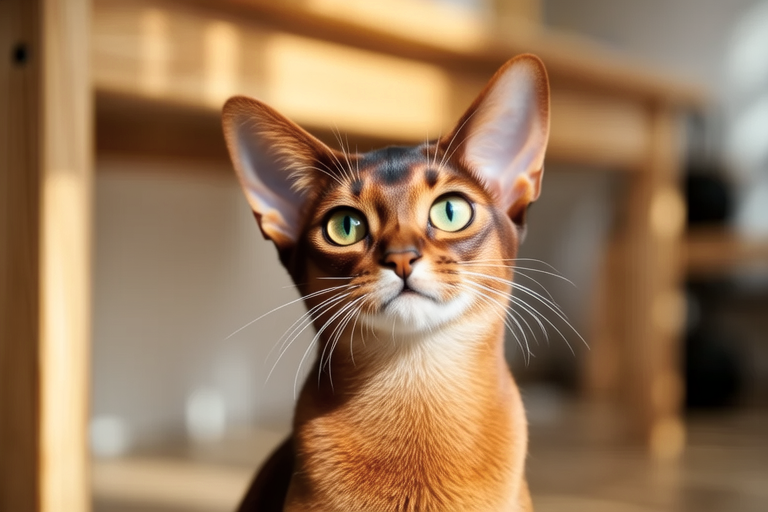
Abyssinians are one of the oldest domesticated cat breeds, known for their striking appearance and lively personalities. They typically have a medium-sized, muscular body, with long legs and a slender build. Their coat is short but dense, with a distinctive ticked pattern that gives them a wild look. This pattern is caused by a gene mutation that produces bands of color on each individual hair, resulting in a beautiful, mink-like appearance.
Abyssinians are highly intelligent and curious, often described as ‘dog-like’ due to their loyalty and affectionate nature towards their owners. They love to play and are always up for an adventure, making them perfect companions for active households. Their intelligence also means they can be trained to perform tricks or respond to commands, adding to their charm.
Essential Dietary Needs
Feeding your Abyssinian the right diet is crucial for their overall health and well-being. Abyssinians are obligate carnivores, which means their diet should primarily consist of meat-based proteins. High-quality commercial cat foods, both wet and dry, are generally suitable, but it’s important to choose those specifically formulated for indoor cats or those with sensitive stomachs.
Consult your veterinarian to determine the appropriate amount of food and frequency of meals based on your cat’s age, weight, and activity level. Avoid feeding your Abyssinian table scraps or human food, as these can be harmful and lead to obesity or other health issues. Fresh water should always be available, and consider investing in a water fountain to encourage more drinking.
In addition to commercial diets, you can supplement your Abyssinian’s meals with occasional treats. Look for treats made from natural ingredients, such as freeze-dried meats or fish. Remember, treats should only make up a small portion of their daily caloric intake to prevent overfeeding.
Exercise Requirements
Abyssinians are naturally active and require regular exercise to maintain their physical and mental health. Providing them with plenty of opportunities to play and explore is essential. Interactive toys, such as feather wands, laser pointers, and puzzle feeders, can keep them engaged and entertained.
Create a stimulating environment by setting up climbing structures, perches, and scratching posts. Abyssinians love to climb and perch, so providing vertical spaces will satisfy their need for height and exploration. Rotate toys regularly to prevent boredom and keep your cat interested in playtime.
Engage in play sessions at least twice a day, allowing your Abyssinian to expend energy and strengthen the bond between you. Playing fetch or using interactive toys that encourage jumping and chasing can help meet their exercise needs while providing fun bonding experiences.
Grooming Tips
Abyssinians have a short, fine coat that requires minimal grooming, but regular brushing is still important to remove loose hairs and distribute skin oils. Use a soft-bristled brush or a rubber grooming mitt to gently brush your cat several times a week. This not only helps maintain their coat’s appearance but also prevents hairballs and reduces shedding inside your home.
Bathing is generally unnecessary unless your Abyssinian gets particularly dirty or has a medical condition requiring it. If you do need to bathe your cat, use a mild, pH-balanced shampoo specifically designed for cats. Be sure to thoroughly rinse out all soap and dry your cat completely to avoid discomfort.
Regular nail trimming is another essential grooming task. Long nails can cause discomfort and even lead to infections. Use sharp, high-quality nail clippers and trim only the tips to avoid cutting into the quick, which can cause bleeding and pain. If you’re unsure about trimming your cat’s nails, consult your veterinarian for guidance.
Lastly, check your Abyssinian’s ears weekly for any signs of wax buildup, redness, or odor, which could indicate an infection. Clean their ears gently with a cotton ball dipped in a safe ear-cleaning solution if necessary. Brush their teeth regularly to prevent dental disease, using a toothbrush and toothpaste specifically designed for cats.
Common Health Issues
While Abyssinians are generally healthy cats, they can be prone to certain genetic and environmental health issues. One of the most common conditions is Periodontal Disease, which affects the gums and teeth. Regular dental care, including brushing and professional cleanings, can help prevent this. Additionally, Abyssinians may be susceptible to Polycystic Kidney Disease (PKD), a hereditary condition that causes cysts to develop in the kidneys. Early detection and management can improve the quality of life for affected cats.
Ocular Lesions, particularly Entropion, where the eyelid rolls inward, can cause irritation and discomfort. If you notice any unusual symptoms, such as excessive tearing, squinting, or redness around the eyes, consult your veterinarian promptly. Hypertrophic Cardiomyopathy (HCM) is another condition to watch for, characterized by thickening of the heart muscle. Regular veterinary check-ups can help monitor your cat’s heart health.
To support your Abyssinian’s overall health, maintain a consistent schedule of veterinary visits, vaccinations, and preventive care. Keep your cat indoors to reduce exposure to parasites, diseases, and accidents. A healthy diet, proper exercise, and a stress-free environment are also vital in preventing and managing potential health issues.
Enriching Your Abyssinian’s Environment
Creating a stimulating and enriching environment is key to keeping your Abyssinian happy and content. Provide plenty of vertical spaces, such as shelves, perches, and cat trees, to allow your cat to explore and climb. Consider installing window perches or bird feeders outside windows to offer views of the outdoors and stimulate their curiosity.
Interactive toys, puzzle feeders, and treat-dispensing gadgets can engage your Abyssinian’s mind and provide entertainment. Rotate toys regularly to prevent boredom and keep your cat interested. Consider creating a multi-level play area with tunnels, bridges, and hiding spots to encourage exploration and play.
Social interaction is also important for your Abyssinian’s emotional well-being. Spend time playing, grooming, and cuddling with your cat daily. Positive reinforcement training can strengthen the bond between you and your pet. Teach your Abyssinian simple commands or tricks using treats and praise to reinforce good behavior.
Finally, establish a routine that includes regular feeding times, play sessions, and grooming. Consistency provides security and helps your Abyssinian feel comfortable and secure in their environment.
Conclusion
Raising a happy and healthy Abyssinian requires attention to their unique needs and a commitment to providing excellent care. By understanding their characteristics, meeting their dietary and exercise requirements, and maintaining a stimulating environment, you can ensure your Abyssinian leads a fulfilling and joyful life. With patience, love, and dedication, you and your Abyssinian will enjoy many years of companionship and happiness together.
