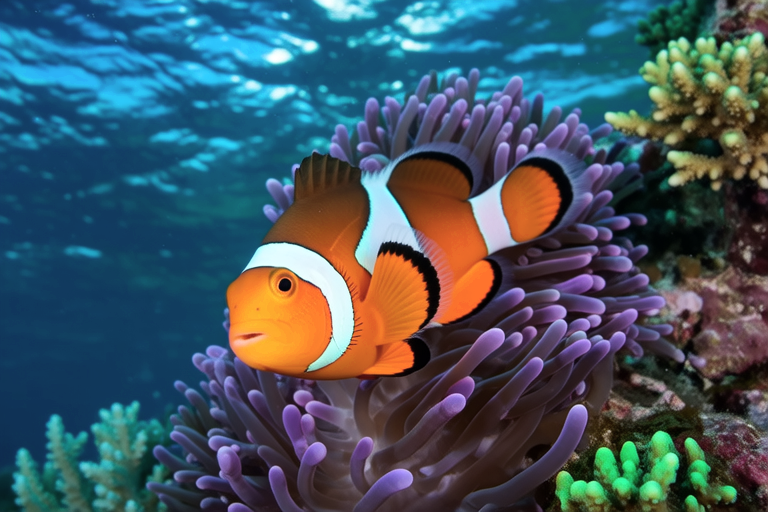
From Finding Nemo to Your Tank: How to Care for a Clownfish Like a Pro
The animated film Finding Nemo has undeniably captured the hearts of millions around the world, making the clownfish one of the most beloved marine creatures. This vibrant fish, known for its distinctive orange and white stripes, has become an iconic symbol of marine life. The movie’s portrayal of clownfish has sparked a significant interest in keeping these fish as pets, leading to a surge in demand for them in aquariums worldwide. However, caring for a clownfish requires more than just admiration; it demands understanding of their specific needs and environments.
Setting Up the Ideal Tank Environment
To ensure your clownfish thrives, setting up an appropriate tank is crucial. A suitable tank should mimic the conditions of their natural habitat as closely as possible. Clownfish are native to the coral reefs of the Indo-Pacific region, where they live among sea anemones. Therefore, providing a similar environment in captivity is essential.
Water Parameters
Maintaining optimal water conditions is key to the health of your clownfish. The ideal temperature range for clownfish is between 76°F and 82°F (24°C to 28°C). The pH level should be kept between 8.1 and 8.4, which is slightly alkaline. Additionally, the specific gravity should be maintained at approximately 1.023 to 1.025, simulating the salinity of seawater. Regular testing and adjustment of these parameters are necessary to ensure the well-being of your fish.
Tank Size
A minimum tank size of 30 gallons is recommended for a single pair of clownfish. Larger tanks are preferred if you plan to keep multiple pairs or include other species. The tank should have a tight-fitting lid to prevent any escape attempts, as clownfish are known to be curious and occasionally adventurous.
Decorations
Clownfish need hiding spots and places to explore within their tank. Incorporating live rock and various corals provides both shelter and enrichment. These elements also encourage natural behaviors such as darting in and out of crevices. Including a small anemone or a synthetic alternative can further enhance their environment, although it’s important to note that not all clownfish will readily accept a substitute anemone.
Dietary Needs of Clownfish
Understanding the dietary requirements of clownfish is vital for their health and longevity. In the wild, clownfish feed on small crustaceans, algae, and zooplankton. Replicating this diet in captivity can be achieved through a combination of natural and commercially available foods.
Natural Foods
Feeding your clownfish a variety of live or frozen foods like brine shrimp, mysis shrimp, and bloodworms can closely mimic their natural diet. These foods provide essential nutrients and stimulate feeding responses. It’s advisable to offer these treats a few times a week to supplement their primary diet.
Commercial Foods
Commercially prepared foods specifically formulated for marine fish are widely available and convenient. High-quality flakes, pellets, and freeze-dried options are excellent choices. Ensure that the food you select is nutritionally balanced and designed for omnivorous species. Feeding twice daily in small portions helps maintain water quality and prevents overfeeding.
Selecting Compatible Tank Mates
Choosing the right tank mates for your clownfish is crucial to maintaining harmony within the aquarium. Clownfish are generally peaceful but can become territorial, especially when defending their chosen anemone or space. Therefore, selecting compatible species that share similar temperaments is important.
Good tank mates for clownfish include other peaceful marine fish such as damsels, tangs, and wrasses. Avoid aggressive or fin-nipping species that could stress or harm your clownfish. Compatibility also extends to corals and invertebrates; some may sting or release toxins harmful to clownfish. Research potential additions thoroughly before introducing them to your tank.
Breeding Clownfish: Challenges and Successes
Breeding clownfish in captivity can be both rewarding and challenging. Successfully reproducing these fish requires careful planning and attention to detail.
Challenges
One of the main challenges in breeding clownfish is ensuring that the pair is compatible and ready to spawn. Establishing a strong bond between the male and female is essential for successful mating. Creating the right environmental conditions, such as maintaining stable water parameters and providing ample hiding spaces, can help encourage spawning behavior.
Another challenge lies in the post-spawning period. After laying eggs, the parents guard and aerate them until they hatch. Ensuring the eggs remain free from fungus and parasites while maintaining proper water quality is critical. Once hatched, the fry require specialized care, including frequent feedings of rotifers and later, baby brine shrimp.
Successes
Despite the challenges, many hobbyists have successfully bred clownfish. With dedication and the right setup, it’s possible to witness the entire reproductive cycle from egg to juvenile clownfish. Breeding not only contributes to the sustainability of the species but also offers a unique opportunity for personal achievement.
Common Health Issues and Preventive Measures
Like any pet, clownfish are susceptible to various health issues. Being proactive about their care can prevent many problems and ensure a long, healthy life for your fish.
Common Health Issues
Some common health issues affecting clownfish include ich (white spot disease), bacterial infections, and parasitic infestations. Ich is often caused by poor water quality and can be treated with medication designed for marine fish. Bacterial infections may manifest as ulcers or fin rot and typically require antibiotics. Parasites can cause irritation and stress; regular observation and prompt action are key to addressing these issues.
Preventive Measures
To minimize the risk of illness, maintain pristine water conditions by performing regular partial water changes and monitoring parameters diligently. Quarantine new additions to the tank for several weeks to ensure they are disease-free before introducing them to the main aquarium. Providing a robust diet and a stress-free environment also strengthens your clownfish’s immune system, reducing the likelihood of health problems.
In conclusion, caring for a clownfish like a pro involves creating an ideal tank environment, understanding their dietary needs, selecting compatible tank mates, and being aware of potential health issues. By following these guidelines, you can enjoy the beauty and charm of these fascinating creatures while ensuring their well-being. With proper care and attention, your clownfish will thrive in their aquatic home, bringing joy and wonder to your aquarium.
