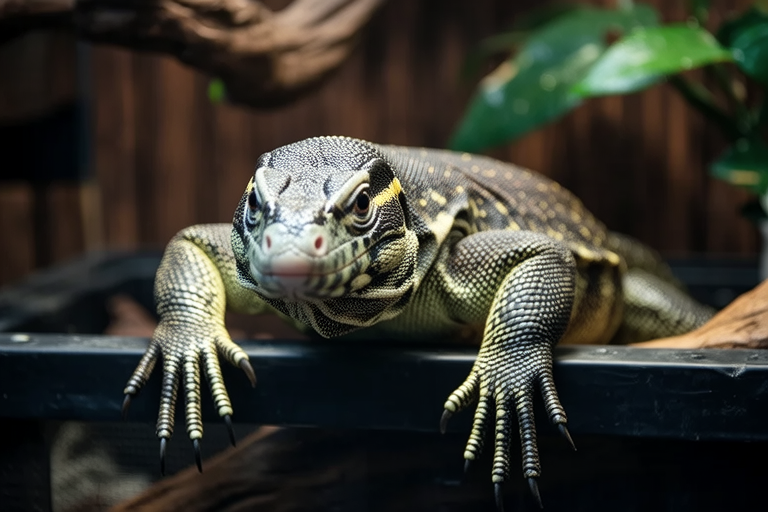
Unleashing the Mystery: How to Care for Your Water Monitor at Home
Water monitors (Varanus salvator) are among the most fascinating reptiles you can bring into your home. Known for their agility, intelligence, and size, they require careful consideration and specialized care. This comprehensive guide will walk you through setting up the perfect habitat, understanding their dietary needs, addressing healthcare essentials, providing insights into their behavior, and offering tips for safe handling. Whether you’re a first-time owner or an experienced herpetologist, this article aims to equip you with all the knowledge needed to ensure your water monitor thrives.
Habitat Setup
Creating an appropriate environment for your water monitor is crucial. These lizards are semi-aquatic and require both land and water areas. The enclosure should be large enough to allow ample space for swimming, basking, and exploring.
- Size: A minimum of 8 feet by 4 feet by 6 feet high is recommended for juveniles, scaling up as they grow.
- Substrate: Use non-particle substrates like cypress mulch or reptile carpet to prevent ingestion hazards.
- Water Area: Provide a deep pool where your monitor can fully submerge itself. Ensure the water is clean and changed regularly.
- Basking Spot: Install a powerful heat lamp to create a warm basking spot. Aim for temperatures between 95-100°F (35-38°C).
- UV Lighting: Full-spectrum UVB lighting is essential for calcium metabolism and overall health.
- Hiding Places: Offer multiple hiding spots made from logs, caves, or tunnels to mimic their natural habitat.
Dietary Needs
Water monitors are carnivorous and require a varied diet to thrive. Their diet should consist of live prey items that provide adequate nutrition.
- Feeding Frequency: Juveniles may eat daily, while adults can be fed every other day.
- Prey Items: Acceptable foods include rodents, insects, feeder fish, and occasional eggs. Avoid feeding them wild-caught prey due to potential parasites.
- Supplements: Dust prey items with calcium and vitamin D3 supplements weekly to prevent metabolic bone disease.
- Hydration: Ensure fresh water is always available for drinking and soaking.
Healthcare Essentials
Maintaining the health of your water monitor involves regular check-ups and preventive measures.
- Veterinary Care: Choose a veterinarian experienced with reptiles. Annual visits help catch potential issues early.
- Parasite Control: Regular fecal exams and deworming are necessary, especially for young monitors.
- Disease Prevention: Keep the enclosure clean to reduce bacterial and fungal infections. Monitor for signs of illness such as lethargy, loss of appetite, or abnormal discharge.
- Environmental Monitoring: Maintain consistent temperature and humidity levels to prevent stress-related illnesses.
Behavioral Insights
Understanding your water monitor’s behavior is key to providing proper care and building trust.
- Agility and Intelligence: Water monitors are highly active and curious. They enjoy exploring and investigating their surroundings.
- Social Behavior: While they are not social animals, they can form bonds with their handlers if given time and positive reinforcement.
- Communication: Learn to recognize body language and vocalizations to understand their needs and emotions.
- Training: With patience and consistency, you can train your monitor to accept handling and perform simple tasks.
Tips for Handling
Handling your water monitor requires caution and respect for their strength and natural instincts.
- Approach Slowly: Move slowly and calmly when approaching your monitor to avoid startling it.
- Support Properly: Always support the body, especially the tail, to prevent injury.
- Positive Reinforcement: Use treats and gentle praise to encourage good behavior during handling sessions.
- Avoid Stressful Situations: Limit handling to short periods and only when necessary to avoid stressing your monitor.
Caring for a water monitor is a rewarding yet challenging endeavor. By understanding their specific needs and dedicating yourself to their well-being, you can enjoy a fulfilling relationship with these remarkable creatures. Remember, the commitment to providing a healthy and stimulating environment is paramount for the happiness and longevity of your water monitor.
