Inside the Unique World of Red-eared Sliders: A Complete Care Guide
Introduction
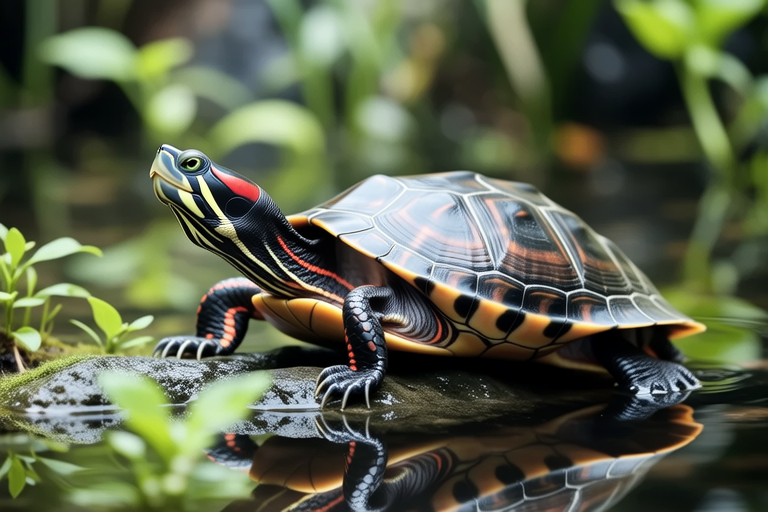
Red-eared sliders (Trachemys scripta elegans) are among the most popular turtle species kept as pets worldwide. Their distinctive red markings behind the eyes, coupled with their robust nature and adaptability, make them a favorite among reptile enthusiasts. These semi-aquatic turtles are native to the southern United States and northern Mexico but have been introduced into various parts of the world due to the pet trade. Understanding the unique needs of these turtles is crucial for providing them with a healthy and enriching environment.
Habitat Setup
Creating a proper habitat is essential for the well-being of your red-eared slider. This section will cover the necessary elements for setting up a suitable home.
Tank Size
Adequate space is vital for the health and happiness of your turtle. Juveniles can be housed in a 20-gallon tank, but as they grow, so should their living space. Adult sliders require at least 40 gallons per turtle, with additional space for each additional turtle. The rule of thumb is 10 gallons of water per inch of shell length.
Filtration Systems
Water quality is critical for maintaining the health of your turtle. Invest in a powerful filter that can handle the volume of water in your tank. Regular cleaning and maintenance of the filter are also important to prevent the buildup of harmful bacteria and waste.
Lighting
Red-eared sliders need UVB light to synthesize vitamin D3, which aids in calcium absorption. Install a full-spectrum UVB light over the basking area, ensuring it is positioned correctly to provide optimal exposure. Replace the bulb every six months, even if it still appears functional, to ensure continued effectiveness.
Temperature Requirements
Maintaining the correct temperature gradient within the enclosure is vital. Water temperatures should range between 75°F and 80°F, while the basking area should reach around 90°F. Use submersible heaters and a reliable thermometer to monitor these conditions.
Dietary Needs
Proper nutrition is key to keeping your red-eared slider healthy and active.
Feeding Schedules
Feed juveniles daily or every other day, while adults can be fed every two to three days. Overfeeding can lead to obesity and other health issues, so it’s important to measure portions carefully.
Nutritional Considerations
The diet should consist of a variety of foods to ensure balanced nutrition. Offer commercial turtle pellets, supplemented with fresh vegetables like romaine lettuce, green beans, and carrots. Occasionally, include live or frozen prey such as earthworms, crickets, and small fish. Avoid iceberg lettuce and spinach, as they lack essential nutrients.
Common Health Issues
Being aware of potential health problems can help you catch issues early and seek appropriate treatment.
Symptoms of Illness
Signs of illness may include lethargy, loss of appetite, swollen eyes, and unusual swimming behavior. If you notice any of these symptoms, consult a veterinarian specializing in reptiles.
Preventive Measures
To prevent illnesses, maintain clean water, provide adequate lighting, and ensure a balanced diet. Regular veterinary check-ups are also beneficial for early detection and treatment of potential health issues.
Handling and Social Behavior
Understanding how to interact with your turtle and its social needs is important for a positive relationship.
Handling
Handle your turtle gently and infrequently to avoid stress. Support its body fully and avoid pulling on its limbs. Wash your hands before and after handling to minimize the risk of transferring germs.
Social Behavior
Red-eared sliders are generally solitary animals and do not require companionship. However, if housing multiple turtles, ensure there is ample space and resources to avoid competition and aggression.
Lifespan
With proper care, red-eared sliders can live for several decades. Some individuals have been known to live up to 40 years or more. Providing a stimulating environment and regular veterinary care can contribute to a longer, healthier life.
Tips for Responsible Ownership and Conservation Efforts
As a responsible owner, consider the long-term commitment and environmental impact of keeping a red-eared slider.
Ownership Tips
Before acquiring a red-eared slider, ensure you are prepared for the long-term commitment. Research thoroughly, set up the appropriate habitat, and be ready to meet the financial and time investment required for their care.
Conservation Efforts
Many red-eared sliders are released into the wild, which can disrupt local ecosystems. If you no longer wish to keep your turtle, find a reputable rescue or rehoming organization rather than releasing it into the wild.
Conclusion
Caring for a red-eared slider requires dedication and knowledge. By following this comprehensive guide, you can provide your turtle with a happy, healthy life. Remember, the bond between you and your turtle can be rewarding, but it comes with significant responsibilities. Embrace the unique world of red-eared sliders and enjoy the journey of being a responsible owner.
