Adorable Leopard Gecko Behaviors Explained: What Their Actions Mean
Welcome to the fascinating world of leopard geckos! These charming creatures have become increasingly popular among pet enthusiasts over the years. Known for their unique appearance, easy care requirements, and docile nature, leopard geckos make excellent companions for reptile lovers of all experience levels. This article will delve into some of the most common behaviors exhibited by these adorable pets, helping you understand what your gecko’s actions mean and how to provide the best care possible.
Understanding Leopard Geckos
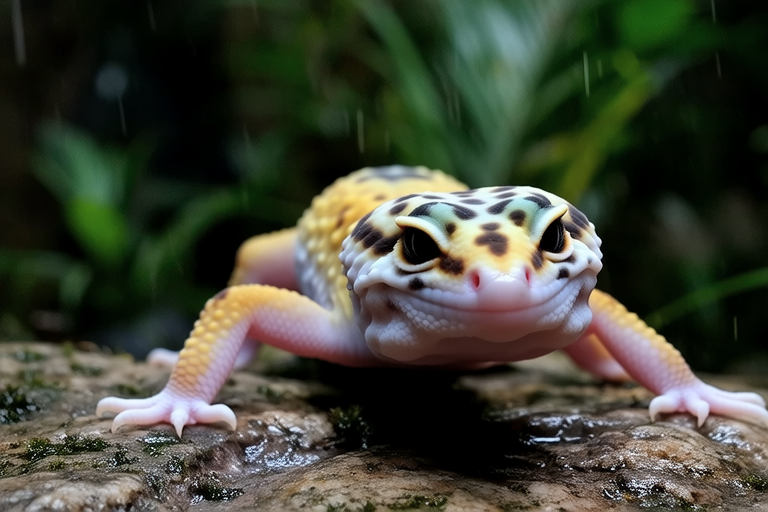
Leopard geckos (Eublepharis macularius) are native to the arid regions of Afghanistan, Pakistan, and India. They are easily recognizable by their distinctive spots and thick, short tails. Unlike many other gecko species, leopard geckos have moveable eyelids and lack adhesive toe pads, which makes them well-suited for life in captivity. Their nocturnal habits and relatively small size also contribute to their appeal as pets.
As a responsible owner, it’s important to understand your gecko’s natural behaviors so you can create an environment that mimics its wild habitat as closely as possible. By doing this, you’ll help ensure your pet remains healthy, happy, and active. Let’s explore some of the most common behaviors you might observe in your leopard gecko and what they signify.
Basking: The Importance of Heat
One of the first behaviors new owners often notice is their gecko basking under the heat lamp. Basking is crucial for regulating body temperature and aiding digestion. Leopard geckos are ectothermic, meaning they rely on external sources of heat to maintain their internal body temperature. A warm basking spot allows them to reach optimal temperatures for various physiological processes.
Owners should provide a temperature gradient within the enclosure, ensuring there’s a cool side (around 78°F or 26°C) and a warm side (between 88-93°F or 31-34°C). This setup allows your gecko to thermoregulate effectively. If you notice your gecko spending more time than usual on the warm side, it could indicate that it needs more heat. Conversely, if it’s frequently seeking cooler areas, check the ambient temperature and humidity levels to ensure they’re appropriate.
Digging: A Natural Instinct
Digging is another behavior commonly observed in leopard geckos. In the wild, these reptiles dig to find shelter from predators and harsh weather conditions. In captivity, they may dig for similar reasons, especially if they feel threatened or stressed. However, digging can also be a sign of boredom or curiosity, particularly when substrate is provided.
To encourage natural digging behavior while preventing potential health issues like impaction, use a safe substrate like paper towels or reptile carpet for juveniles and young adults. As your gecko matures, you can introduce a layer of calcium sand or coconut fiber. Ensure the substrate is deep enough (about 2-3 inches) to allow for some digging but shallow enough to prevent accidental ingestion.
Waving: A Sign of Dominance or Playfulness
The waving motion, where a gecko lifts one front leg up and down repeatedly, is one of the most intriguing behaviors you might witness. This gesture is thought to serve multiple purposes depending on the context. In social settings, waving can be a display of dominance or submission between two geckos. It’s often seen during introductions or territorial disputes.
In a single-gecko household, waving might simply be a playful or exploratory behavior. Some experts believe that waving could also be a way for geckos to communicate with their owners. Regardless of the reason, it’s fascinating to watch and provides insight into your pet’s social interactions.
Eating Behavior: What to Look For
Leopard geckos are primarily insectivores, feeding mainly on crickets, mealworms, and wax worms. Observing your gecko’s eating habits can reveal important information about its health and well-being. A healthy gecko will generally show interest in food and consume prey items readily. If your gecko suddenly loses appetite or refuses food, it could indicate underlying health issues such as parasites, respiratory infections, or environmental stressors.
It’s essential to offer appropriately sized prey items that are no larger than the space between your gecko’s eyes. Overfeeding can lead to obesity, while underfeeding can result in malnutrition. Always remove uneaten insects after a few hours to prevent them from biting your gecko or contaminating the enclosure.
Moult: Shedding Skin
Like all reptiles, leopard geckos shed their skin periodically as they grow. During this process, known as moulting, your gecko may appear lethargic and less active. Providing a humid hide (a moist area within the enclosure) can aid in the shedding process and prevent retained shed, which can cause skin irritation or even loss of digits.
If your gecko has difficulty removing its old skin, particularly around the toes or tail, it may need assistance. Gently soak the affected area in lukewarm water for about 15 minutes to soften the skin before carefully peeling it off. Be cautious not to pull too hard, as this could injure your gecko.
Interpreting Your Gecko’s Behavior
Understanding your gecko’s behavior is key to providing proper care. Pay attention to changes in activity levels, appetite, and overall demeanor. Consistency is important; sudden shifts in behavior could signal health problems or environmental issues. Regularly check your gecko for signs of illness, such as weight loss, lethargy, discharge from the nose or eyes, or abnormal feces.
Establishing a routine for handling and feeding can also help you gauge your gecko’s mood. Most leopard geckos enjoy gentle handling and will become accustomed to being held regularly. However, always respect your gecko’s boundaries and avoid handling it when it’s sleeping or immediately after eating.
Maintaining a Healthy Environment
To encourage natural behaviors and promote overall health, it’s vital to maintain a suitable environment for your leopard gecko. Proper lighting, temperature, and humidity are critical factors that directly affect your gecko’s well-being.
- Lighting: Provide UVB lighting during daylight hours to simulate natural sunlight. This helps with calcium absorption and prevents metabolic bone disease.
- Temperature: Maintain a temperature gradient within the enclosure, allowing your gecko to regulate its body temperature.
- Humidity: Keep humidity levels between 30% and 40%. Too much moisture can lead to respiratory issues, while too little can cause skin problems.
- Hides: Offer plenty of hiding spots made from cork bark, caves, or plastic containers. Hiding places are essential for reducing stress and providing security.
Regular cleaning of the enclosure is also necessary to prevent bacterial growth and maintain hygiene. Spot clean daily and perform a thorough cleaning every two weeks, replacing substrate and disinfecting surfaces.
Conclusion
Leopard geckos are delightful pets whose behaviors offer valuable insights into their health and happiness. By understanding and interpreting these actions, you can better meet your gecko’s needs and provide a stimulating, enriching environment. Remember to observe your gecko regularly, adjust its habitat as needed, and consult with a veterinarian if you notice any concerning changes. With proper care and attention, your leopard gecko will thrive, bringing joy and fascination to your home for years to come.
