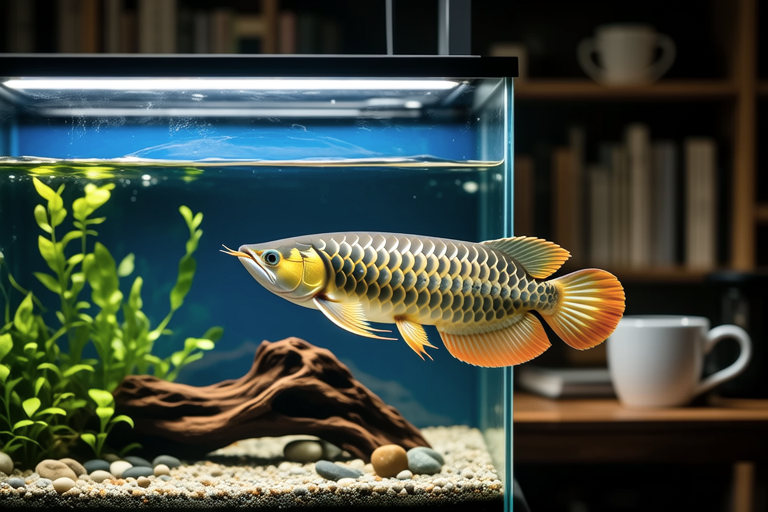
The Ultimate Guide to Owning and Caring for an Arowana Pet
Keeping an arowana as a pet can be an incredibly rewarding experience, but it requires a significant commitment in terms of resources, knowledge, and time. This guide will provide you with everything you need to know about owning and caring for an arowana, from setting up the perfect aquarium to understanding their dietary needs and ensuring their psychological well-being.
Selecting the Right Tank Size
Arowanas are large, active fish that require ample space to thrive. Juvenile arowanas can live comfortably in a 75-gallon tank, but as they grow, they will need much larger accommodations. By the time your arowana reaches adulthood, it may require a tank that holds between 300 and 500 gallons. The tank should be long rather than tall, allowing the fish to swim horizontally. Additionally, ensure the tank has a secure lid, as arowanas are known to jump out.
Water Conditions Necessary for Optimal Health
Arowanas are sensitive to their environment, so maintaining ideal water conditions is crucial. The water temperature should be kept between 78 and 84 degrees Fahrenheit, and the pH level should range from 6.5 to 7.5. Use a reliable heater and thermometer to monitor these parameters. Regular water changes, typically 20% weekly, help maintain water quality. Employ a high-quality filtration system that can handle the volume of water in your tank. It’s also wise to use a dechlorinator to remove harmful chemicals from tap water before adding it to the tank.
Diet Specifics and Feeding Schedules
Arowanas are carnivorous and require a varied diet to stay healthy. Their staple food includes pellets designed for large carnivorous fish, but they should also receive live or frozen foods such as feeder fish, shrimp, and worms. Feeding frequency depends on the age and size of the fish; juveniles might eat three times a day, while adults may only require one or two feedings per day. Always feed them enough food to be consumed within five minutes to prevent overfeeding, which can lead to water pollution.
Common Health Issues
Like any other aquatic pet, arowanas are susceptible to various health problems. Some common ailments include bacterial infections, parasitic infestations, and fin rot. Early signs of illness may include loss of appetite, lethargy, or abnormal behavior. If you notice any of these symptoms, consult with a veterinarian specializing in exotic fish. Preventative measures include regular water maintenance, proper nutrition, and minimizing stress.
Tips for Maintaining a Clean Environment
To keep your arowana’s environment clean and healthy, follow these tips:
- Perform regular water changes.
- Use a robust filtration system.
- Monitor water parameters closely.
- Provide hiding spots and decorations that encourage natural behaviors.
Regular maintenance ensures a stable habitat, reducing the risk of disease and promoting overall wellness.
Behavioral Patterns and Psychological Well-being
Arowanas are intelligent creatures with distinct personalities. They exhibit curiosity and can recognize their caretakers. To stimulate their minds and bodies, provide enrichment activities like floating objects or interactive toys. Avoid overcrowding the tank, as this can cause stress. Arowanas prefer solitude or the company of similarly sized species, so consider keeping them alone or with compatible tank mates.
Legal Considerations
Before purchasing an arowana, research local laws and regulations regarding ownership. In some areas, owning certain types of arowanas may require permits or adhere to specific restrictions. For instance, the Asian arowana (Scleropages formosus) is protected under international law due to its endangered status. Always check with your local authorities to understand what permissions are needed and any import/export regulations that apply.
Conclusion
Owning an arowana is a unique and fulfilling endeavor that demands dedication and expertise. By following the guidelines outlined in this ultimate guide, you’ll be well-prepared to provide your pet with a nurturing home. Remember, the key to successful arowana care lies in understanding their specific needs and adapting your practices accordingly. With proper attention and care, your arowana will reward you with years of enjoyment and companionship.
