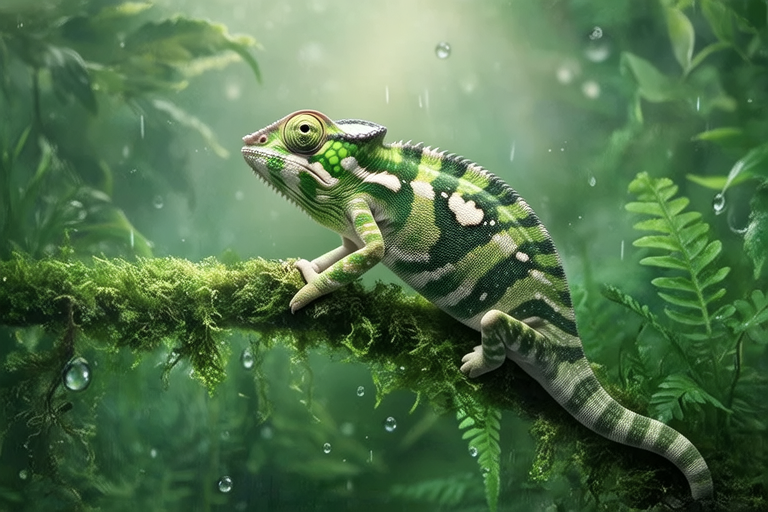
How to Create a Perfect Habitat for Your Chameleon at Home
Creating the perfect habitat for your chameleon is crucial for their health and well-being. Chameleons are unique reptiles with specific environmental needs that closely mimic their natural habitats. This guide will walk you through setting up an ideal environment, from choosing the right enclosure to maintaining optimal conditions.
Choosing the Right Enclosure Size and Type
The first step in creating a perfect habitat is selecting an appropriate enclosure. Chameleons need vertical space to climb and bask, so the height of the enclosure is more important than its width. A minimum of 3 feet in height is recommended for juveniles, while adults require enclosures that are at least 4 feet tall. The width can be around 2 feet, but it’s better if it’s larger.
Enclosures made of glass or acrylic are preferred as they allow for better viewing and provide good insulation. Avoid mesh enclosures as they can cause injuries due to sharp edges. Ensure the enclosure has a secure lid or door to prevent escapes.
Necessary Lighting: UVB Requirements
Chameleons require ultraviolet B (UVB) light to synthesize vitamin D3, which is essential for calcium absorption and bone health. A high-quality UVB bulb, specifically designed for reptiles, should be placed at the top of the enclosure. Position the bulb so that it covers approximately two-thirds of the enclosure. Replace the bulb every six months, even if it still appears to be working, to ensure maximum effectiveness.
In addition to UVB lighting, full-spectrum lighting is necessary to simulate daylight cycles. These lights should be on for about 10-12 hours per day, replicating the natural day-night cycle. It’s important to note that UVB bulbs should never be covered by glass or plastic, as this can block UVB rays.
Temperature and Humidity Levels
Maintaining the correct temperature gradient within the enclosure is vital. Chameleons are ectothermic, meaning they rely on external sources to regulate their body temperature. Provide a basking spot where the temperature reaches between 85°F to 95°F (29°C to 35°C). The cooler side of the enclosure should range from 75°F to 85°F (24°C to 29°C).
Humidity levels are equally important. Chameleons naturally live in humid environments, so maintaining a relative humidity level between 60% and 80% is ideal. Use a hygrometer to monitor humidity levels and adjust accordingly. Mist the enclosure twice daily using a hand sprayer or automatic misting system. Ensure that the enclosure dries out between mistings to prevent mold growth.
Suitable Substrate
The substrate, or floor covering, in the enclosure should be safe and easy to clean. Avoid substrates like sand, gravel, or wood chips, as they can lead to impaction if ingested. Instead, opt for paper towels or reptile carpet for ease of cleaning. For a more natural look, you can use orchid bark or coconut fiber, but these require careful monitoring to ensure they don’t retain moisture and cause mold.
Hiding Spots and Climbing Structures
Providing ample hiding spots and climbing structures is crucial for your chameleon’s mental and physical health. Branches, vines, and artificial plants offer places to rest, hide, and bask. Ensure that branches are sturdy and securely placed. Artificial plants can be used to create a more naturalistic environment, but make sure they are non-toxic and easily cleaned.
Branches should vary in diameter to accommodate different gripping sizes. Place them at various heights and angles to encourage climbing and exploration. Hiding spots can include hollow logs or commercially available hides, but remember that chameleons prefer open spaces, so don’t overcrowd the enclosure.
Proper Ventilation
Good air circulation is essential to prevent the buildup of harmful bacteria and fungi. Mesh sides or top vents can help achieve this. However, ensure that the enclosure isn’t too drafty, as this could lead to temperature fluctuations. If using a screen top, consider adding a cover during colder months to maintain warmth.
Regularly check for any signs of condensation on the enclosure walls, as this can indicate poor ventilation. If condensation is present, increase airflow by adding more vents or improving the overall design of the enclosure.
Diet Considerations
A balanced diet is key to a healthy chameleon. Offer a variety of insects such as crickets, mealworms, and waxworms, dusted with calcium and vitamin supplements. Feed juvenile chameleons daily, while adults can be fed every other day. Always remove uneaten food to prevent contamination.
Provide a shallow water dish for drinking, but most chameleons prefer to drink from droplets formed by misting. Ensure fresh water is available at all times. Additionally, supplement the diet with leafy greens like mustard greens and collard greens, which can be offered in small quantities.
Regular Cleaning Routines
Keeping the enclosure clean is essential for your chameleon’s health. Remove feces and uneaten food daily. Clean the water dish regularly and replace the water with fresh, clean water. Once a week, perform a thorough cleaning of the entire enclosure, including all surfaces, branches, and decorations. Use a reptile-safe disinfectant and rinse thoroughly before returning the chameleon to the enclosure.
Check the substrate for signs of mold or dampness and replace it as needed. Regular cleaning helps prevent the spread of diseases and keeps the environment fresh and inviting for your pet.
Conclusion
Creating a perfect habitat for your chameleon involves careful consideration of many factors. By mimicking their natural environment, you can promote their health and longevity. Remember that each chameleon is unique, so observe your pet closely and adjust their environment as needed. With the right setup, your chameleon will thrive in their new home.
