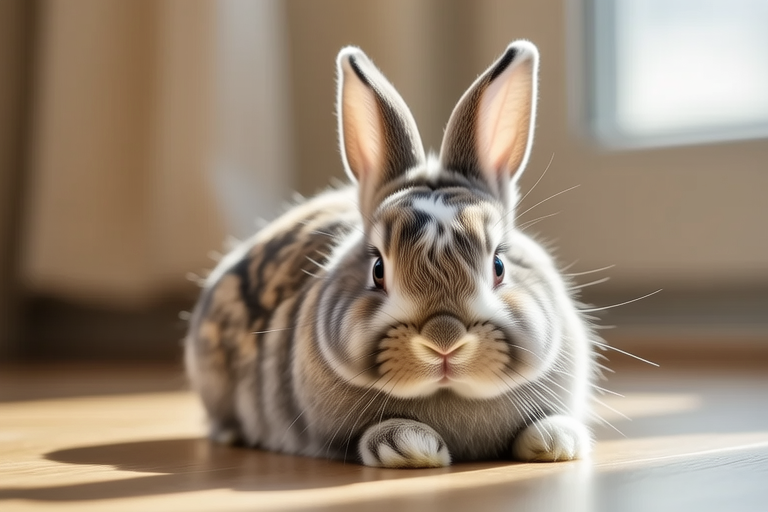
From Hopsy to Thumper: Everything You Need to Know About Dutch Dwarf Rabbits
The Dutch Dwarf rabbit is a breed that has captured the hearts of many pet lovers worldwide. Known for their playful nature, compact size, and distinctively marked coats, these rabbits have become increasingly popular among both seasoned and first-time rabbit owners. Their unique blend of charm, intelligence, and adaptability makes them ideal companions for families, apartments, and individuals alike.
A Distinctive Appearance
Dutch Dwarfs are small but sturdy rabbits, typically weighing between 2 to 2.8 pounds. They have a compact, well-rounded body with short ears that stand erect, adding to their endearing look. The most striking feature of the Dutch Dwarf is its contrasting coat color. These rabbits sport a white base coat with a distinct mask and a colored area around their hindquarters, creating a striking and easily recognizable pattern.
There are various recognized colors for Dutch Dwarfs, including black, blue, chocolate, and lilac, among others. Each color variation brings its own charm and elegance, making these rabbits not only functional pets but also decorative additions to any home.
Temperament and Personality
Dutch Dwarfs are known for their friendly and sociable demeanor. They are generally gentle, curious, and enjoy interacting with humans, making them excellent pets for children and first-time rabbit owners. Their small size means they require less space than larger breeds, making them ideal for apartment living or homes with limited outdoor areas.
These rabbits thrive on interaction and can form strong bonds with their human companions. They are intelligent and trainable, often responding positively to gentle handling and consistent routines. Dutch Dwarfs are active and playful, especially during the early morning and evening hours, which can be a delightful time for bonding and play.
Dietary Needs
Proper nutrition is essential for the health and longevity of Dutch Dwarfs. A balanced diet primarily consists of high-quality hay, fresh vegetables, and a limited amount of pellets. Timothy hay or orchard grass hay is recommended as it aids in dental health and digestion.
Fresh vegetables should be introduced gradually and in moderation to avoid digestive upset. Safe vegetables include dark leafy greens like romaine lettuce, spinach, and kale. Fruits can be offered as occasional treats due to their high sugar content.
Ensure clean, fresh water is always available. Pellets should be chosen based on the age and weight of your rabbit; younger rabbits may need more nutrients than older ones. Avoid feeding your Dutch Dwarf table scraps, as these can be harmful and lead to obesity.
Housing Requirements
Dutch Dwarfs need a safe and comfortable environment. An indoor hutch or cage is preferable, offering protection from predators and harsh weather conditions. The enclosure should be large enough to allow the rabbit to stretch out fully and move around comfortably.
The bottom of the cage should be lined with absorbent bedding such as recycled paper or wood shavings, ensuring cleanliness and comfort. Provide hiding spots, tunnels, and toys to stimulate their natural behaviors and prevent boredom. Regular cleaning of the enclosure is crucial to maintaining good hygiene and preventing illness.
Exercise and Activity
Despite their small size, Dutch Dwarfs are energetic and require regular exercise to stay healthy and happy. Allow your rabbit supervised playtime outside of their enclosure each day. A safe, enclosed area, free from hazards and toxic plants, is ideal for this purpose.
Interactive toys and puzzles can help stimulate mental activity and keep them engaged. Rotate toys regularly to maintain interest and prevent monotony. Exercise not only benefits physical health but also aids in stress relief and promotes better sleep patterns.
Grooming and Health Care
Grooming is an important aspect of caring for your Dutch Dwarf. Regular brushing helps remove loose fur and prevents hairballs, which can be dangerous if ingested. Brushing also strengthens the bond between you and your pet. Use a soft-bristled brush designed for rabbits.
Regular veterinary check-ups are necessary to ensure your rabbit’s overall health. Common health issues include dental problems, respiratory infections, and gastrointestinal disorders. Early detection and treatment can prevent complications and improve quality of life.
Watch for signs of illness such as lethargy, loss of appetite, or changes in bathroom habits. Prompt action is crucial when addressing any health concerns. Maintain a clean living environment and provide a balanced diet to support a robust immune system.
Bonding and Training
Building a strong bond with your Dutch Dwarf involves patience and consistency. Spend time each day interacting with your rabbit, speaking softly and offering treats. This positive reinforcement helps create trust and affection.
Training your rabbit can involve teaching simple commands or encouraging desired behaviors. Use treats as rewards for good behavior, and always ensure the training sessions are fun and stress-free. Dutch Dwarfs can learn to use litter boxes, making them convenient indoor pets.
Spending quality time with your rabbit can enhance your relationship and provide mutual enjoyment. Engage in activities that both you and your pet find enjoyable, fostering a lasting connection.
